
Search
Showing results for "vitamin d asthma"
Join us! Get involved with The Kids through providing a donation, volunteering your time, participating in important research, or with a professional commitment to the institute.
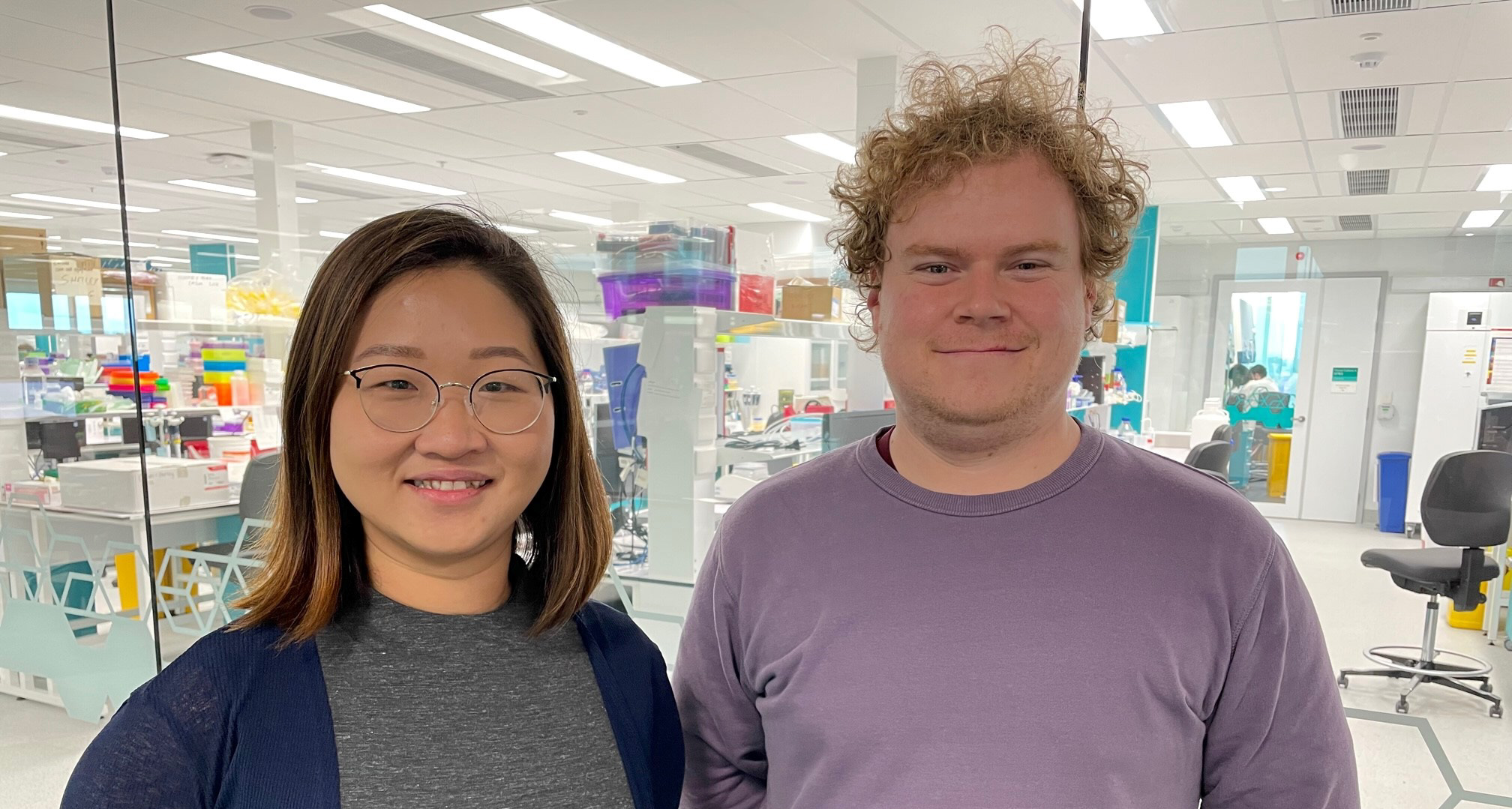
Two outstanding researchers from the Wal-yan Respiratory Research Centre have been awarded Vertex Cystic Fibrosis (CF) Mentored Innovation Research Awards.
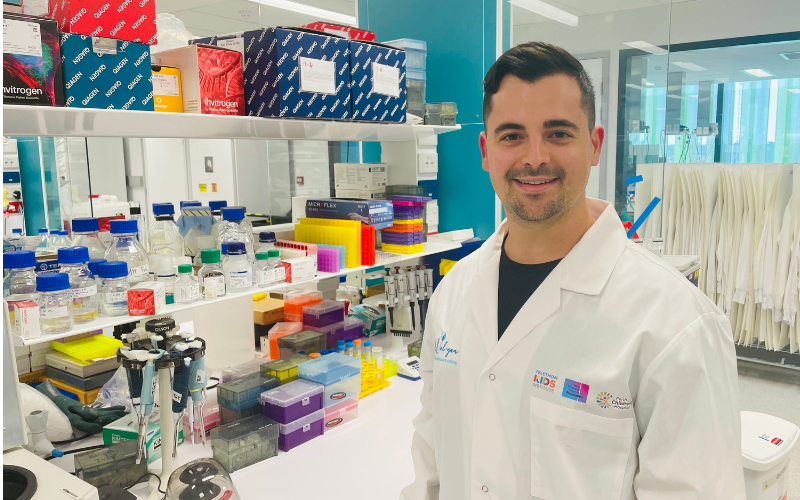
Dr Daniel Laucirica, a research officer with the Wal-yan Respiratory Research Centre, will undertake new research into potential treatment strategies to prevent lung damage in people with cystic fibrosis (CF), under the mentorship of Associate Professor Anthony Kicic - made possible by a Vertex Cyst
The Imogen Miranda Suleski Fellowship is an annual award for early-career post-doctoral researchers at The Kids Research Institute Australia.
Goal: Characterize the pattern of contemporary and endemic ARF and develop a biological signature to improve sensitivity and specificity of ARF diagnosis.
Convalscent plasma (CP) was identified as a potential therapy for COVID-19 available early in the pandemic.
Aboriginal and Torres Strait Islander young people aged 15-24 years of age often encounter challenges accessing and utilising primary health care (PHC). Providing health care responsive to the needs of Aboriginal and Torres Strait Islander young people requires the active involvement of healthcare providers (HCPs), who play a central role in healthcare delivery. This study explored perspectives of HCPs working in urban Aboriginal and Torres Strait Islander Community-Controlled Health Organisations (ATSICCHOs) on the factors that facilitate Aboriginal and Torres Strait young people accessing and utilising PHC services.
Language development is critical for children's life chances. Promoting parent-child interactions is suggested as one mechanism to support language development in the early years. However, limited evidence exists for a causal effect of parent-child interactions on children's language development.
Student bullying behaviours are a significant social issue in schools worldwide. Whilst school staff have access to quality bullying prevention interventions, schools can face significant challenges implementing the whole-school approach required to address the complexity of these behaviours.
The COVID-19 pandemic has impacted new mothers’ wellbeing and breastfeeding experience. Women have experienced changes in birth and postnatal care and restricted access to their support network. It is unclear how these impacts may have changed over time with shifting rates of infection and policies restricting movement and access to services in Australia and New Zealand.