
Search
Showing results for "mental health aboriginal"
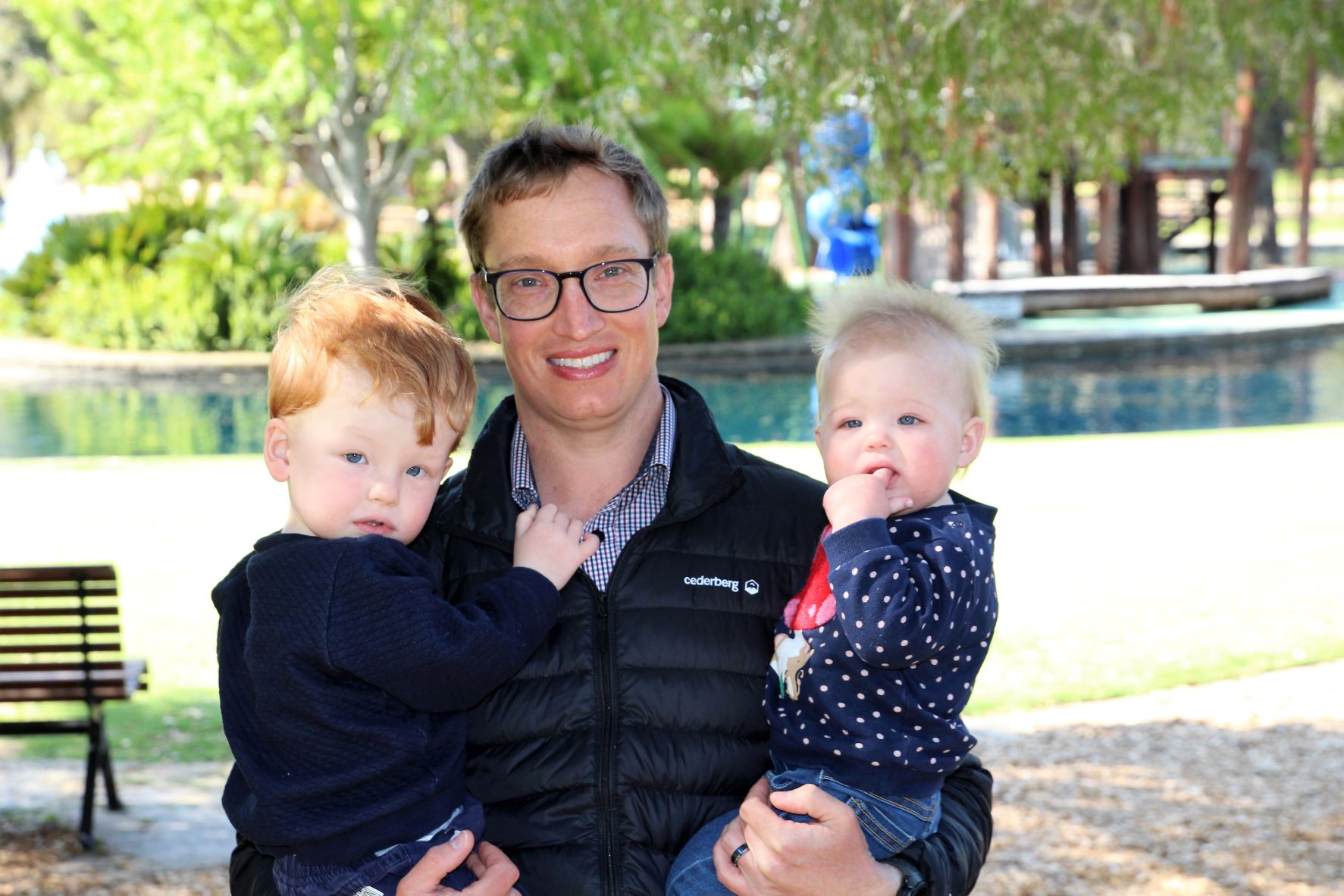
ORIGINS sub-project, Flourishing in Fatherhood, has placed runner up in Ramsay Health Care's research-month competition!
Reducing the incidence and prevalence of standard modifiable cardiovascular risk factors (SMuRFs) is critical to tackling the global burden of coronary artery disease (CAD). However, a substantial number of individuals develop coronary atherosclerosis despite no SMuRFs. SMuRFless patients presenting with myocardial infarction have been observed to have an unexpected higher early mortality compared to their counterparts with at least 1 SMuRF.
Despite significant improvements in pediatric cancer survival outcomes, there remain glaring disparities in under-represented racial and ethnic groups that warrant mitigation by the scientific and clinical community. To address and work towards eliminating such disparities, the Pacific Pediatric Neuro-Oncology Consortium (PNOC) and Children's Brain Tumor Network (CBTN) established a Diversity, Equity, and Inclusion (DEI) working group in 2020. The DEI working group is dedicated to improving access to care for all pediatric patients with central nervous system (CNS) tumors, broadening diversity within the research community, and providing sustainable data-driven solutions.
Diabetic nephropathy, vision loss and diabetic retinopathy are frequent comorbidities among individuals with type 2 diabetes (T2D). The Retinopathy in People Currently On Renal Dialysis study sought to examine the epidemiology and risk of vision impairment and among a cohort of Indigenous and non-Indigenous Australians with T2D currently receiving haemodialysis for end-stage renal failure.

Discover resources and science activities for kids for the topic 'Wellbeing and Happiness'.
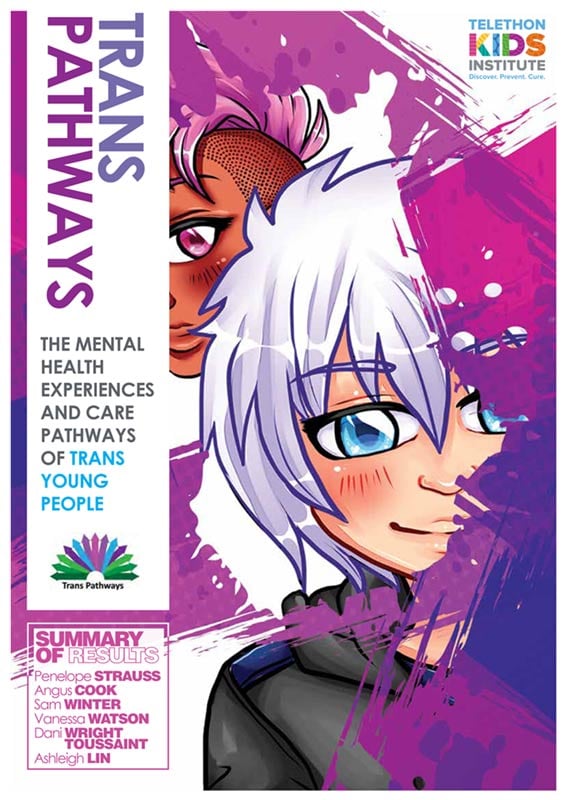
Trans Pathways is the largest ever survey conducted into the mental health of trans young people in Australia.
This research sought to provide an outline of identified household-level environmental health initiatives to reduce or interrupt Strep A transmission along each of these pathways.
The in-vivo plasma concentration of penicillin needed to prevent Streptococcus pyogenes pharyngitis, recurrent acute rheumatic fever, and progressive rheumatic heart disease is not known. We used a human challenge model to assess the minimum penicillin concentration required to prevent streptococcal pharyngitis.
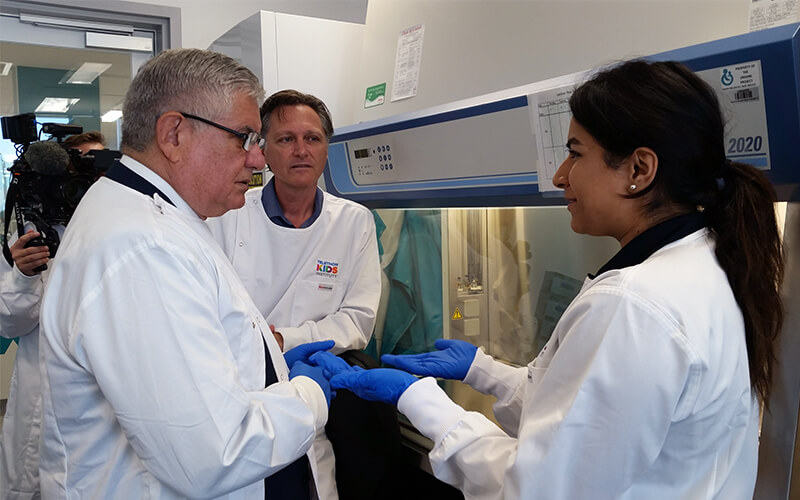
A vaccine to prevent rheumatic heart disease (RHD) and other life-threatening conditions caused by the common Strep A bacteria is a step closer thanks to funding announced by Minister for Indigenous Health, Hon Ken Wyatt AM, MP, in Perth today.

ORIGINS has secured $500,000 in funding from the WA Government’s Future Health Research and Innovation (FHRI) Fund.