
Search
Showing results for "lung disease preterm"
Britta Regli-von Ungern-Sternberg AM FAHMS MD, PhD, DEAA, FANZA Chair of Paediatric anaesthesia, University of Western Australia; Consultant
This review summarizes and provides a comprehensive narrative synthesis of the current evidence on pediatric airway management during the COVID-19 pandemic.
Front-line staff routinely exposed to aerosol-generating procedures are at a particularly high risk of transmission of severe acute respiratory syndrome coronavirus. We aimed to assess the adequacy of respiratory protection provided by available N95/P2 masks to staff routinely exposed to aerosol-generating procedures.
Obstructive sleep apnea is a risk factor for respiratory depression following opioid administration as well as opioid-induced hyperalgesia. Little is known on how obstructive sleep apnea status is associated with central ventilatory depression in pediatric surgical patients given a single dose of fentanyl.
Reasons for elective surgery cancelations and their impact vary from one institution to another. Cancelations have emotional and financial implications for patients and their families. Our service has a particularly broad and geographically diverse patient population; hence, we sought to examine these impacts in our service.
The design of a videolaryngoscope blade may affect its efficacy. We classified videolaryngoscope blades as standard and non-standard shapes to compare their efficacy performing tracheal intubation in children enrolled in the Paediatric Difficult Intubation Registry.
Our study compared tidal volume and leakage around cuffed and uncuffed tracheal tubes in children who required standardised mechanical ventilation of the lungs.
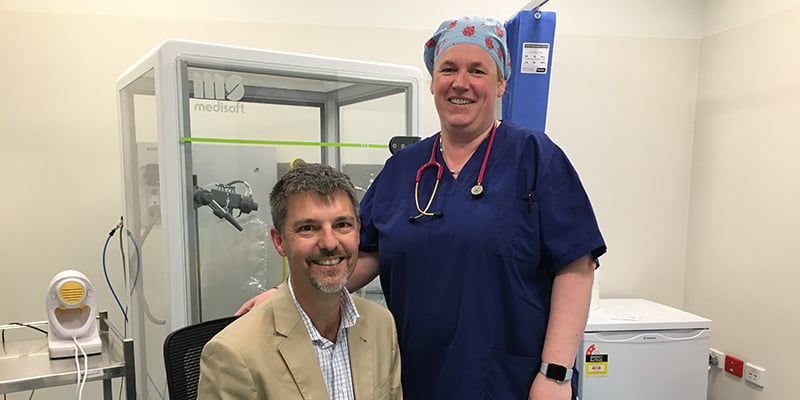
A Perth study has shown that over-the-counter asthma medication before surgery can reduce respiratory complications during and after tonsillectomy surgery.

Friends and supporters of The Kids Research Institute Australia are invited to join us to celebrate 25 years of making a difference to kids' health at our Open Day.
Western Australia has joined a major international study that could significantly change the treatment of asthma in children.