
Search
Showing results for "1"

The Kids Research Institute Australia strongly endorses the updated framework, which reinforces the essential role consumers and communities play in shaping better research outcomes.

Recently, researchers from The Kids Research Institute Australia, Perth Children’s Hospital and The University of Western Australia contributed to three major international publications, collectively reinforcing rare diseases as a critical, community-wide health priority.
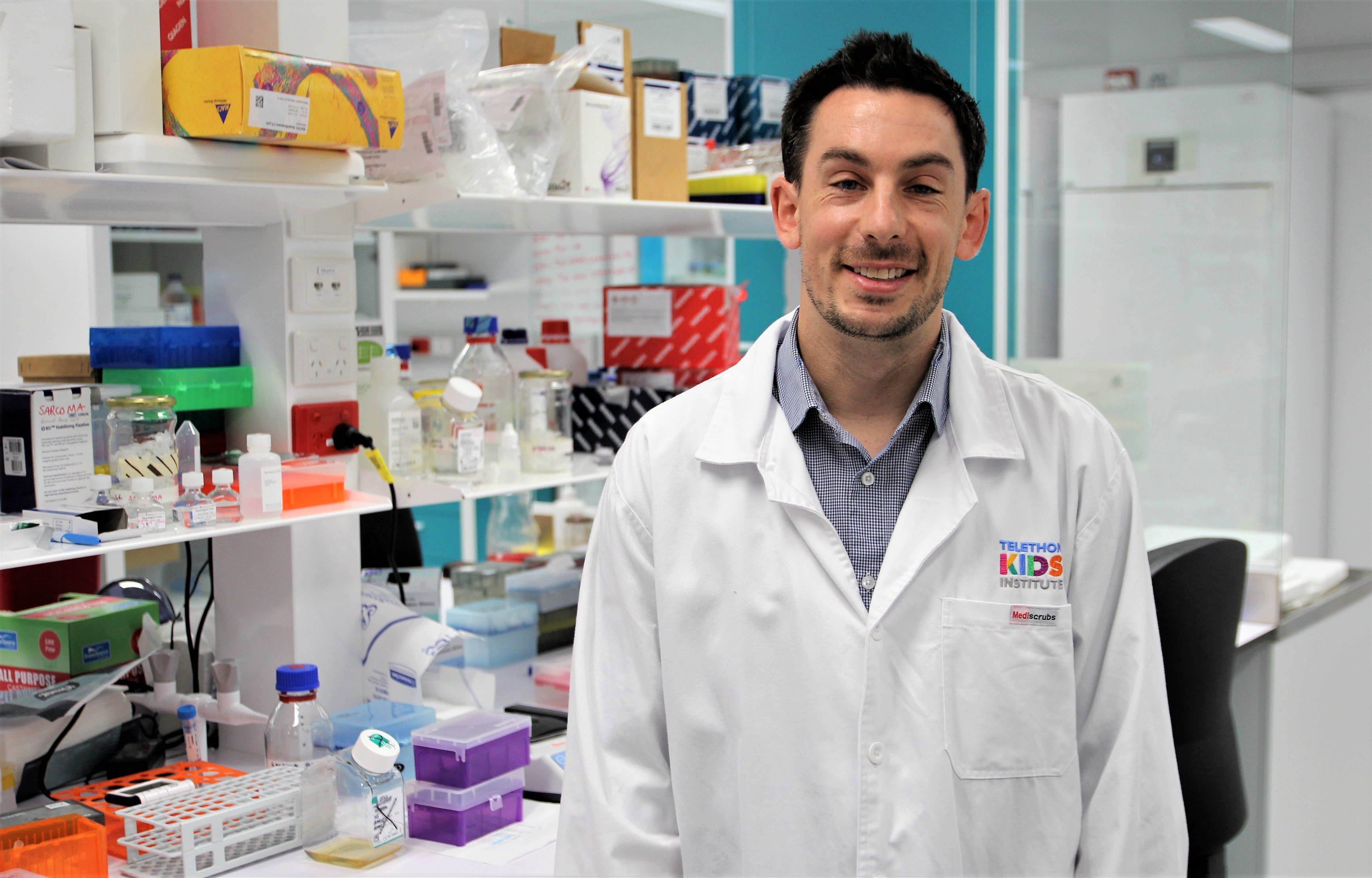
Cure Cancer and The Kids Research Institute Australia researcher Dr Ben Wylie announced new potential treatment in time for Childhood Sarcoma Awareness month.
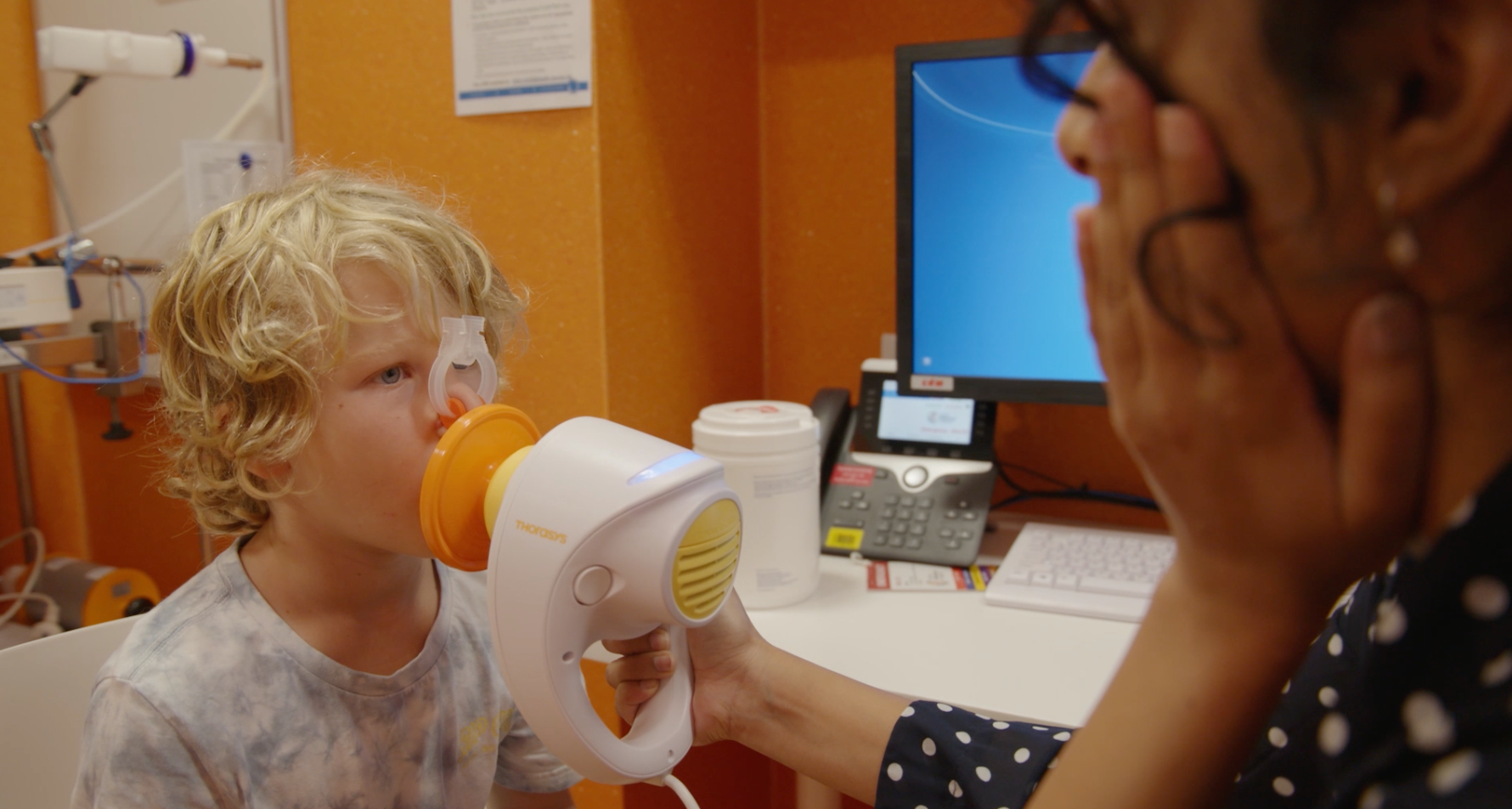
A promising new treatment pioneered in Western Australia for people with cystic fibrosis has commenced testing in a clinical trial in the United States and Australia.
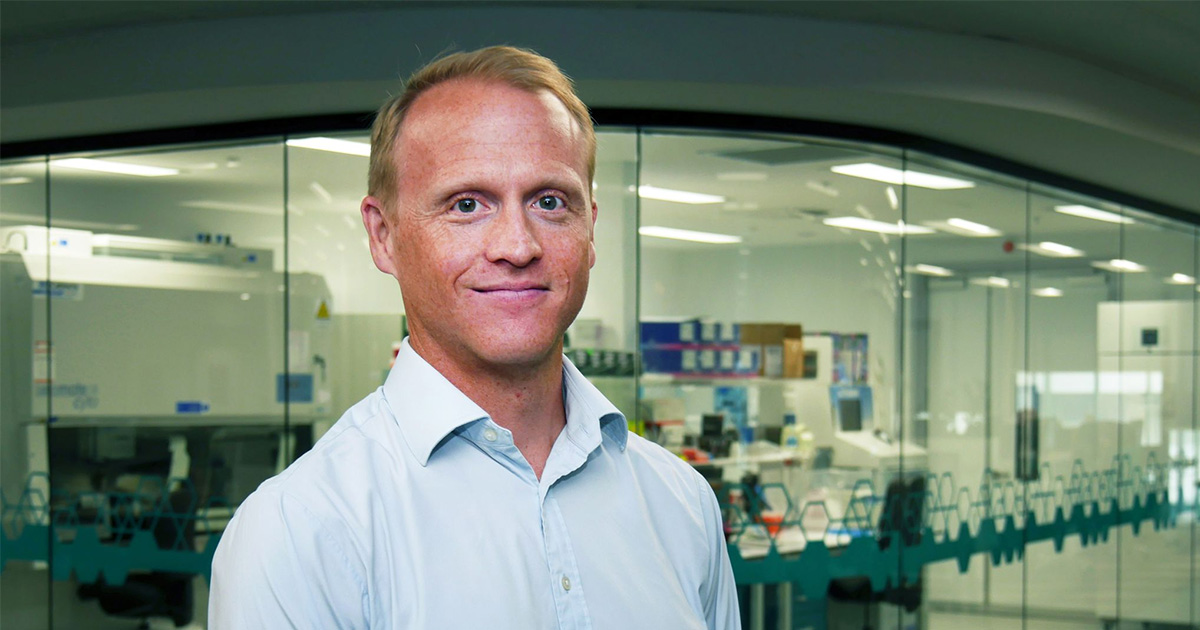
Nearly 170 years ago a British doctor applied geospatial mapping to identify the source of a cholera outbreak in central London. Using a street map to plot the location of the homes of the sick, Dr John Snow was able to pinpoint a ‘ground zero’ for the outbreak – a contaminated water pump.

Eight The Kids Research Institute Australia-led projects will benefit from the latest round of WA Child Research Fund (WACRF) grants, announced this week by Medical Research Minister Stephen Dawson.
Prospective longitudinal birth cohort data was used to examine the association between peer aggression at 14yrs and mental health and substance use at 17yrs...
Streptococcus pneumoniae (Pnc), nontypeable Haemophilus influenzae (NTHi) and Moraxella catarrhalis (Mcat) are the most important bacterial pathogens...
Barrett's esophagus is an increasingly common disease that is strongly associated with reflux of stomach acid and usually a hiatus hernia, and it strongly...
Barrett's esophagus is an increasingly common disease that is strongly associated with reflux of stomach acid and usually a hiatus hernia,...