
Search
Showing results for "mental health aboriginal"
Be part of a new epidemiological study aimed at reducing preventable mortality in early life, using novel linked health data
Bacterial skin infections and scabies disproportionately affect children in resource-poor countries as well as underprivileged children in high-income countries. Atopic dermatitis is a common childhood dermatosis that predisposes to bacterial skin infection.
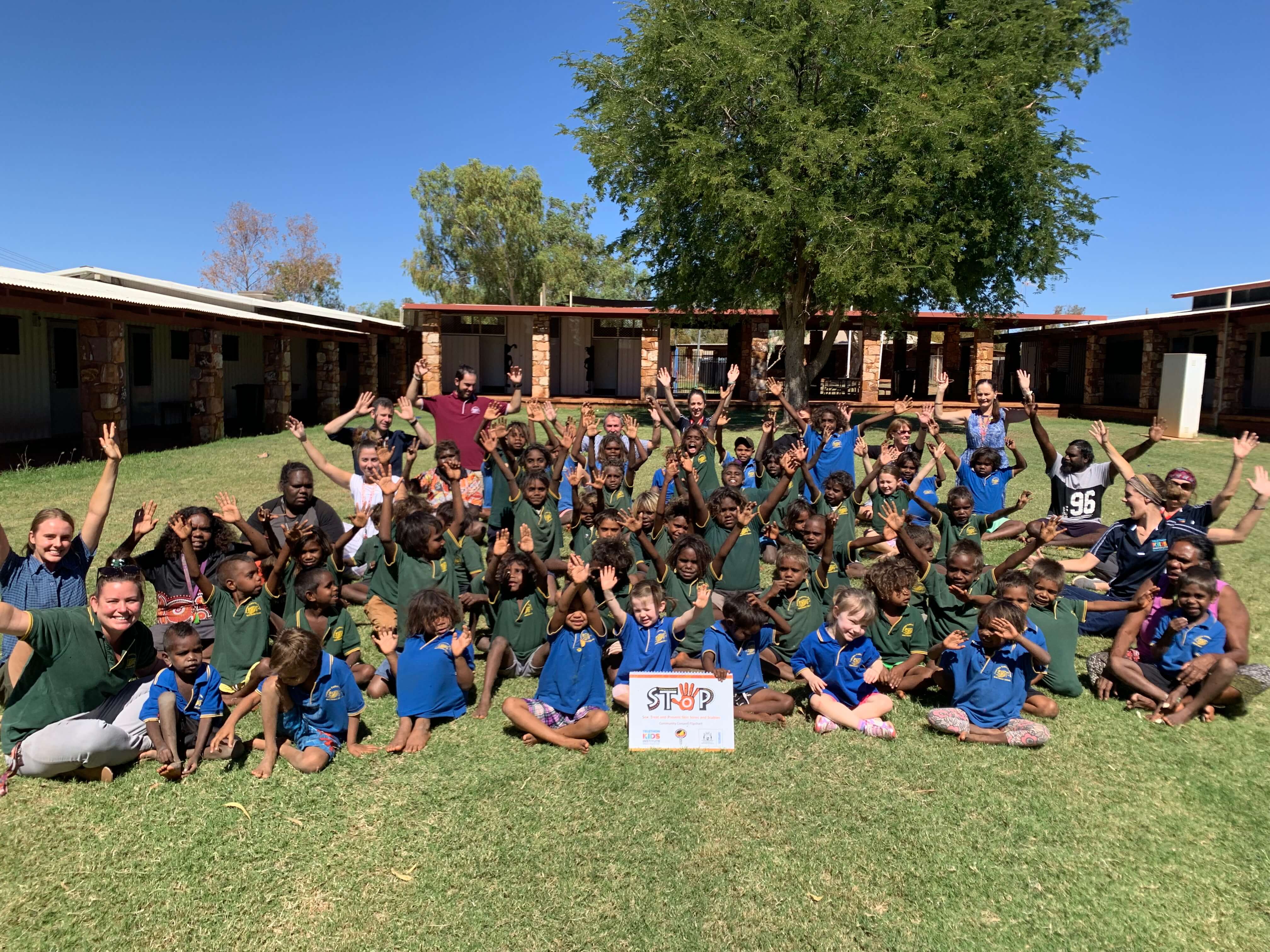
Aboriginal community members throughout the Kimberley will take a lead role in driving healthy skin messages within their own communities thanks to a major funding boost to The Kids Research Institute Australia’s SToP Trial.
Regular physical activity provides children with health and developmental benefits. This study investigated if active play and walking with the family dog was associated with better social-emotional development in young children.
Children's development is dependent on a range of factors influencing their life course outcomes. Protective and challenging social and cultural determinants impact how Indigenous families support their children's developmental foundations. However, there is a lack of international evidence investigating Indigenous child development interventions.
Substance use, depression and low school motivation impacted on discrepancy in externalizing behaviour scores for 14-year-old male adolescents and their parents
This report will outline the theory and evidence base for Community Development and Community Engagement, report on consultation activities and findings
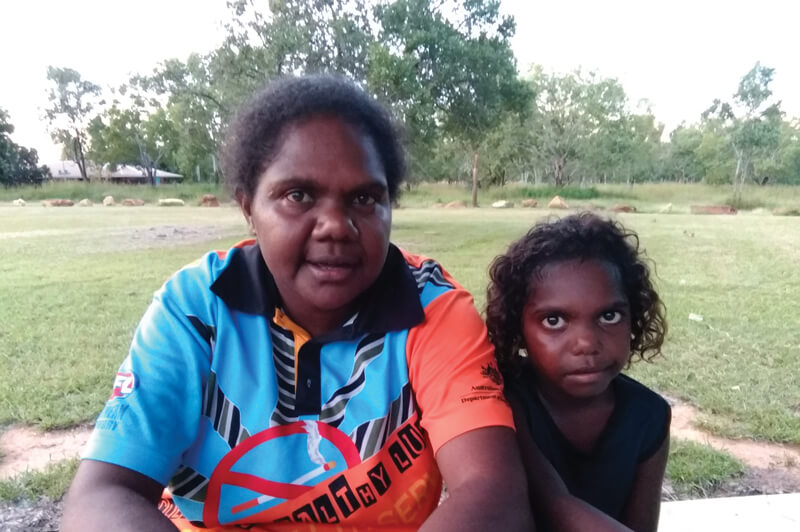
Collaboration is the driving force behind ‘END RHD Demonstration Communities’ – a new community-driven, research-backed approach to tackling rheumatic heart disease (RHD) in remote Australia.
In this chapter we use rich longitudinal data to examine the typical growth of vocabulary in children as they age from 4 years onwards.
In this chapter we provide a brief summary of the key themes of the book, identify emerging directions and challenges in life course theory and data designs and highlight some policy challenges for researchers going forward. © 2022, The Author(s).