
Search
Showing results for "Childhood interstitial lung disease "
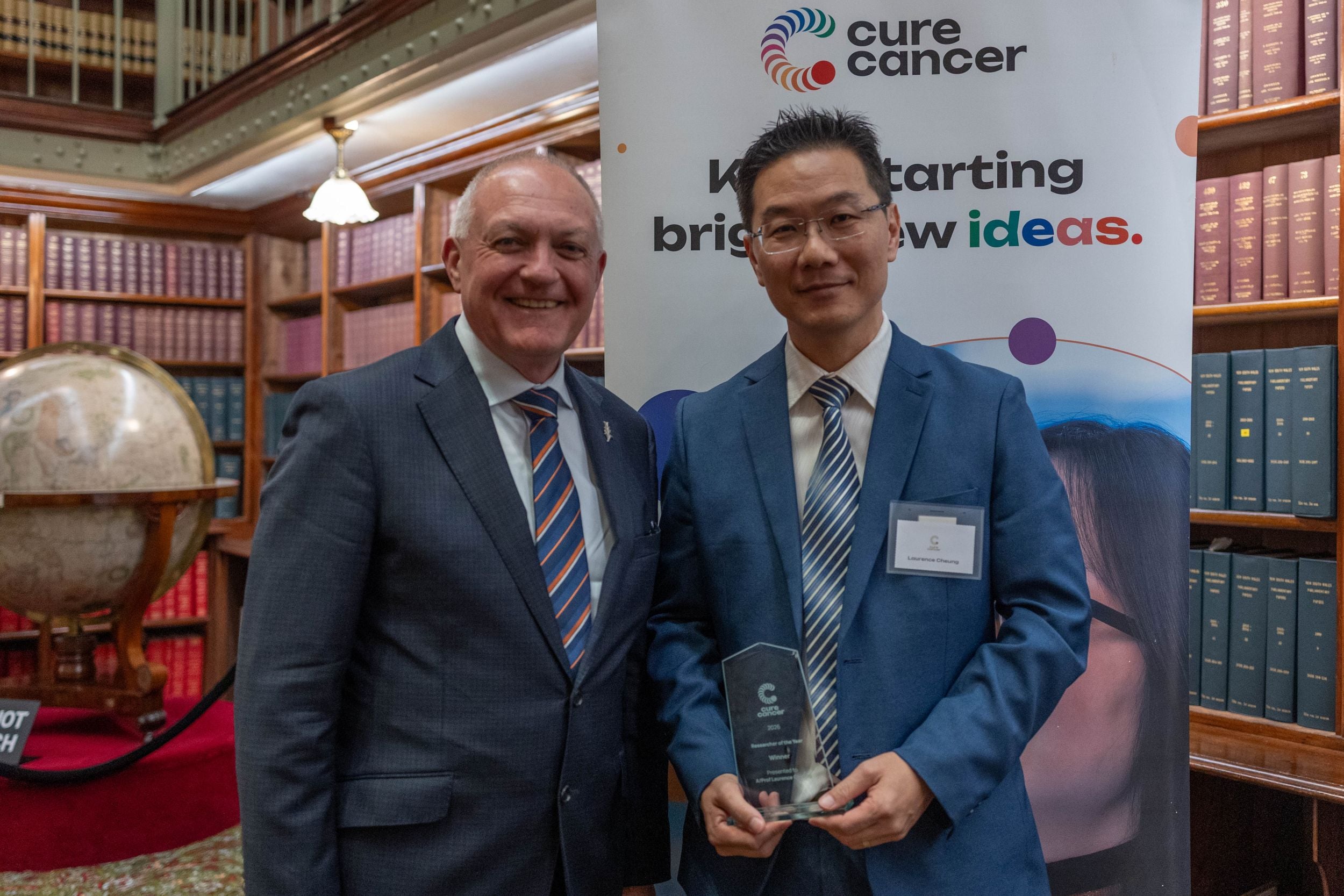
A leading WA cancer researcher has been named the Cure Cancer 2026 Researcher of the Year for his groundbreaking work in paediatric leukaemia.

A study published in Science Advances has revealed that while genetics play a significant role in shaping children's immune systems, environmental factors also influence key immune responses, offering opportunity for preventing allergic diseases.
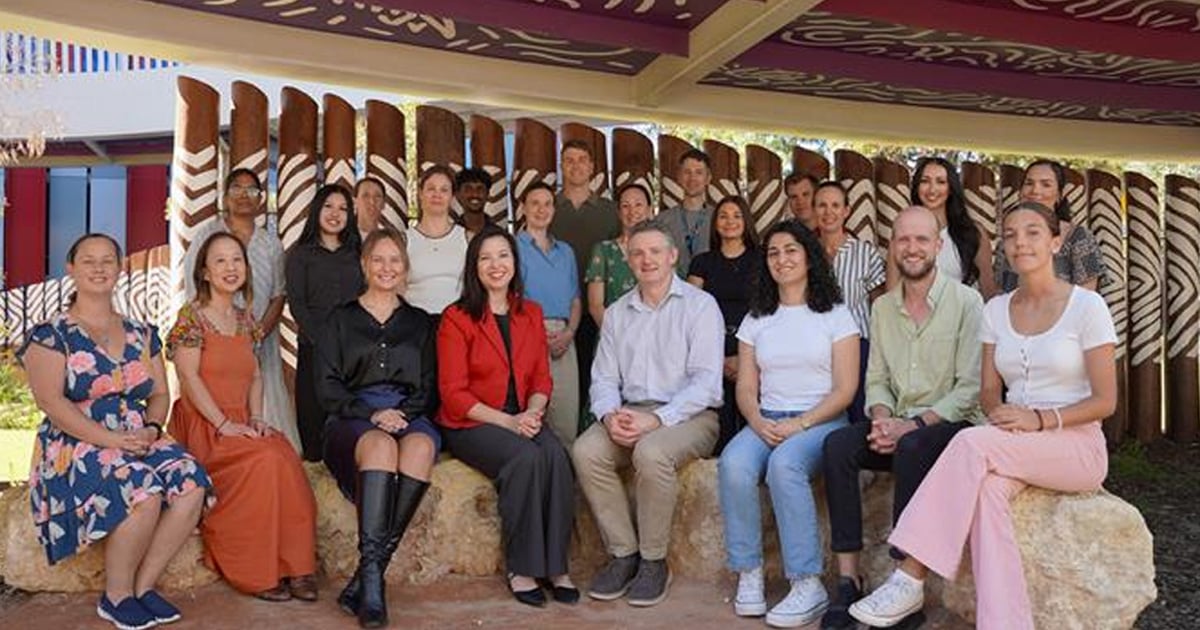
The Kids Research Institute Australia's Brain Tumour Research team will develop and implement cutting-edge technologies to revolutionise the speed of brain cancer diagnosis for WA children, thanks to more than $200,000 from Telethon.
A report outlining key steps to tackle a common and aggressive childhood brain tumor is gaining rapid momentum after attracting international attention.
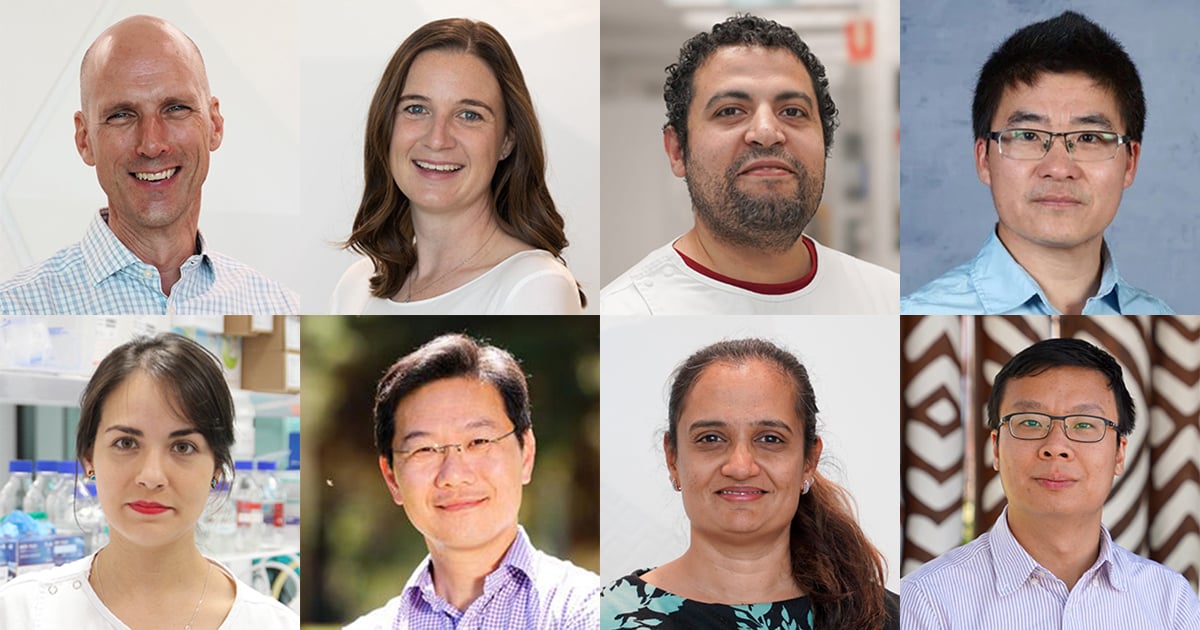
Eight childhood cancer researchers have been awarded over $2 million in transformative grants from Cancer Council WA to advance their pioneering work in improving cancer treatments and outcomes for patients in Western Australia and around the world.
Novel loci differentially methylated in newborns represent potential biomarkers of risk of asthma by school age
We investigated the potential association of maternal coffee and tea consumption during pregnancy with childhood acute myeloid leukemia risk
Elliot's life was stolen by brain cancer when he was only 4 years old, so his parents channeled their sorrow by setting up the Telethon Adventurers. Read more.
Exposure to surgery and anesthesia in early childhood has been found to be associated with an increased risk of behavioral deficits. While the US Food and Drug Administration (FDA) has warned against prenatal exposure to anesthetic drugs, little clinical evidence exists to support this recommendation.
The development of food allergy has been reported to be related with the changes in the gut microbiome, however the specific microbe associated with the pathogenesis of food allergy remains elusive. This study aimed to comprehensively characterize the gut microbiome and identify individual or group gut microbes relating to food-allergy using 16S rRNA gene sequencing with network analysis.