
Search
Showing results for "Childhood interstitial lung disease "
Funding from the Stan Perron Charitable Foundation will support world class researchers at The Kids Research Institute Australia to improve the health and wellbeing of WA children facing serious health challenges.
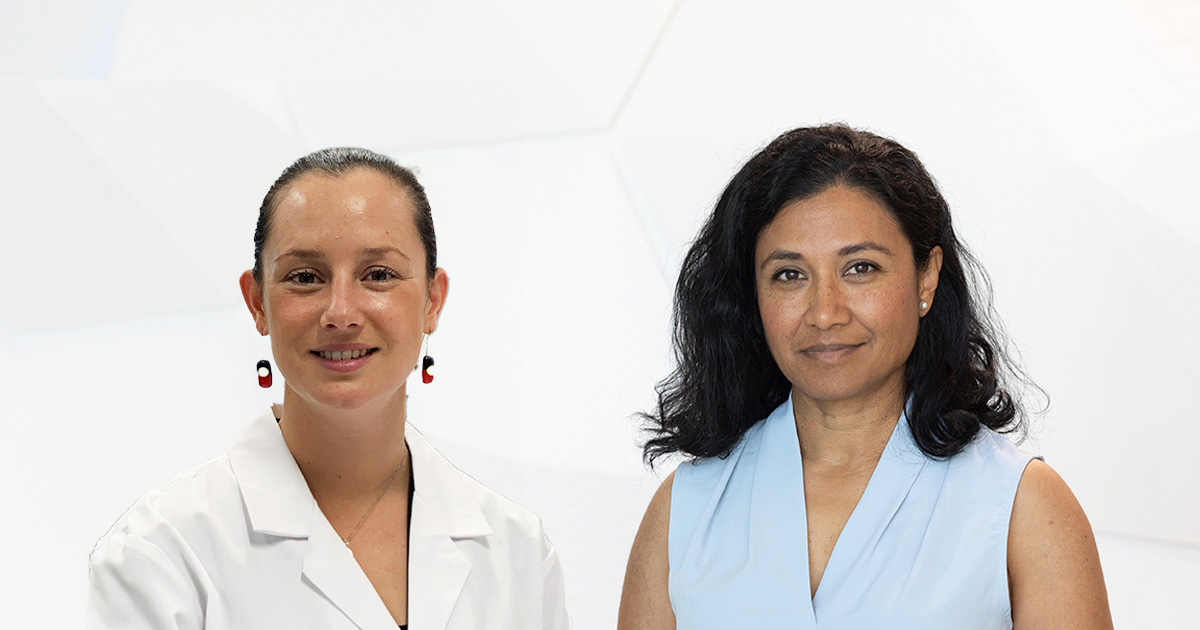
The generous support of Western Australians through Channel 7’s Telethon is helping to fund life-changing child health research, with two The Kids Research Institute Australia researchers awarded significant grants.
WA's reputation as a research pioneer will be centre stage this week with a global gathering of health industry experts who share a passion for data
Apache Energy and the Telethon Institute for Child Health Research today signed a two-year partnership
As your child starts to lose their baby teeth, you now have a special chance to support exciting new areas of child health research
In Australian remote communities, First Nations children with otitis media (OM)-related hearing loss are disproportionately at risk of developmental delay and poor school performance, compared to those with normal hearing. Our objective was to compare OM-related hearing loss in children randomised to one of 2 pneumococcal conjugate vaccine (PCV) formulations.
Our data set provides a useful reference point for genomic studies on Aboriginal Australians
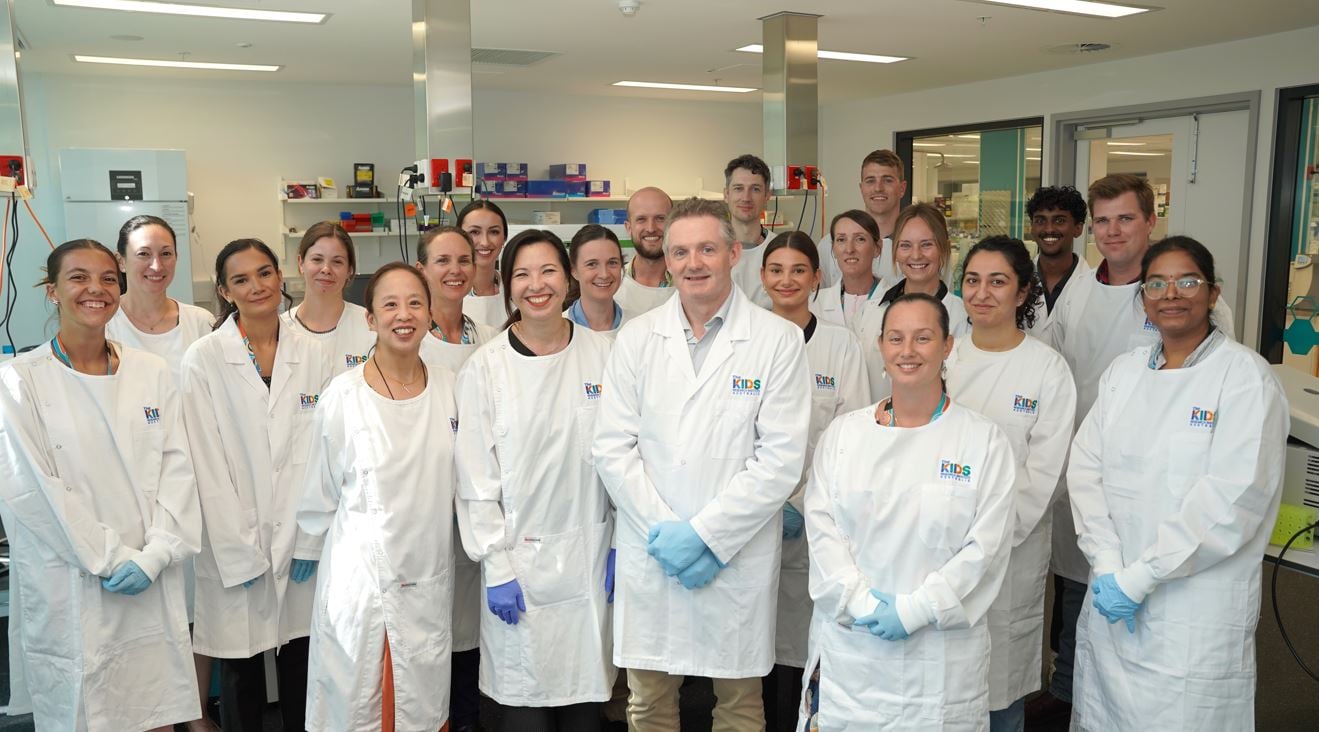
We strive for a future where no child will die from brain cancer because we have developed new therapies that will cure their disease.
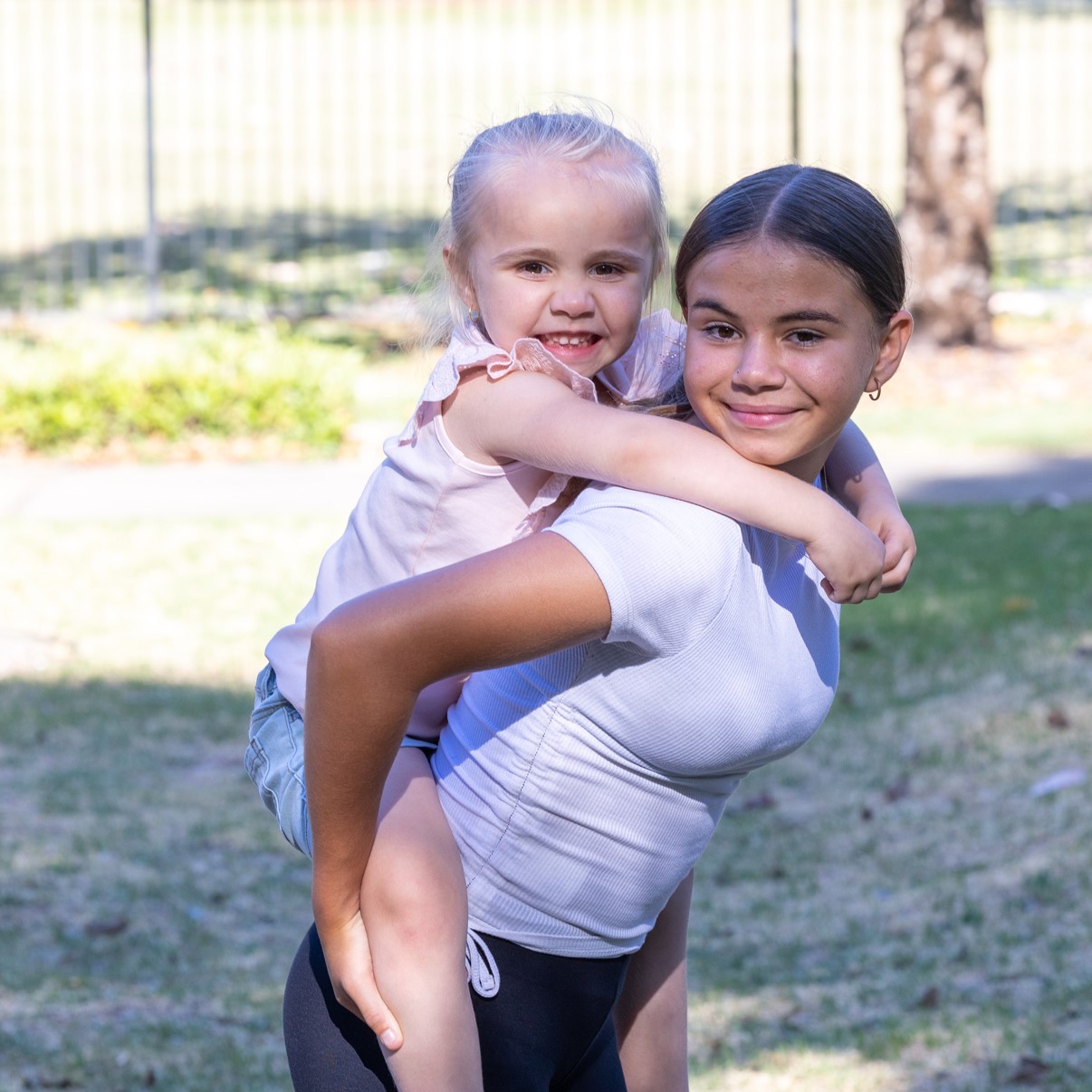
The Indigenous Genomics Group aims to build Indigenous leadership in genomic and data sciences, precision health, and ethics to improve health equity and the wellbeing of Indigenous people, families and communities.
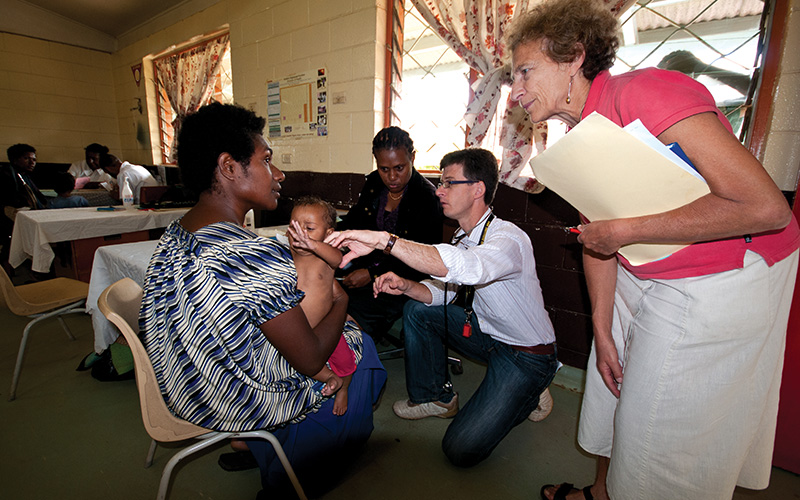
New research has revealed the extraordinary impact of a collaborative project between The Kids Research Institute Australia and the Papua New Guinea Institute of Medical Research, with rates of hospitalisation for pneumonia dropping by nearly 60 per cent thanks to the introduction of the pneumococcal vaccine