
Search
Showing results for "clinical trials"
To determine the proportion of child maltreatment-related emergency department presentations in WA and describe the types of injuries associated with them.
Benzathine penicillin G (BPG) has been in use since the 1950s for treatment of skin infections, bacterial pharyngitis, syphilis and prevention of recurrent episodes of acute rheumatic fever (ARF)

Browse the published work of the Centre's researchers
This paper is a comment on an article published in a previous edition of the journal on a clinical intervention strategy for children with cerebral palsy.
Objective: To assess the demographic, social, and clinical characteristics of young Australians who die by suicide.
The objective was to investigate the feasibility of prospectively validating multiple clinical prediction scores for pediatric appendicitis in an Australian pediatric emergency department.
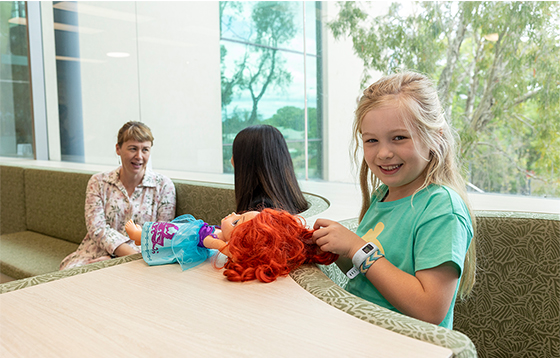
CliniKids has two clinics - in Subiaco and also in Joondalup.
Melissa Fiona Helen Rebecca Peter O'Donnell Stanley Leonard Glauert Jacoby BPsych (Hons), MPsych, GradDip Ed, PhD FAA FASSA MSc MD FFPHM FAFPHM FRACP
Since 1955, the recommended strategy for rheumatic heart disease secondary prophylaxis has been benzathine penicillin G injections administered intramuscularly every 4 weeks. Due to dosing frequency, pain, and programmatic challenges, adherence is suboptimal. It has previously been demonstrated that BPG delivered subcutaneously at a standard dose is safe and tolerable and has favorable pharmacokinetics, setting the scene for improved regimens with less frequent administration.
While profound treatment responses have been realised using immunotherapy for some cancer types, this is yet to be seen for paediatric brain cancer patients.