
Search
Showing results for "clinical trials"
To determine the proportion of child maltreatment-related emergency department presentations in WA and describe the types of injuries associated with them.
Benzathine penicillin G (BPG) has been in use since the 1950s for treatment of skin infections, bacterial pharyngitis, syphilis and prevention of recurrent episodes of acute rheumatic fever (ARF)
Since 1955, the recommended strategy for rheumatic heart disease secondary prophylaxis has been benzathine penicillin G injections administered intramuscularly every 4 weeks. Due to dosing frequency, pain, and programmatic challenges, adherence is suboptimal. It has previously been demonstrated that BPG delivered subcutaneously at a standard dose is safe and tolerable and has favorable pharmacokinetics, setting the scene for improved regimens with less frequent administration.
Melissa Fiona Helen Rebecca Peter O'Donnell Stanley Leonard Glauert Jacoby BPsych (Hons), MPsych, GradDip Ed, PhD FAA FASSA MSc MD FFPHM FAFPHM FRACP
To evaluate the suitability of the Global Lung Function Initiative (GLI)-2012 other/mixed and GLI-2022 global reference equations for evaluating the respiratory capacity of First Nations Australians.
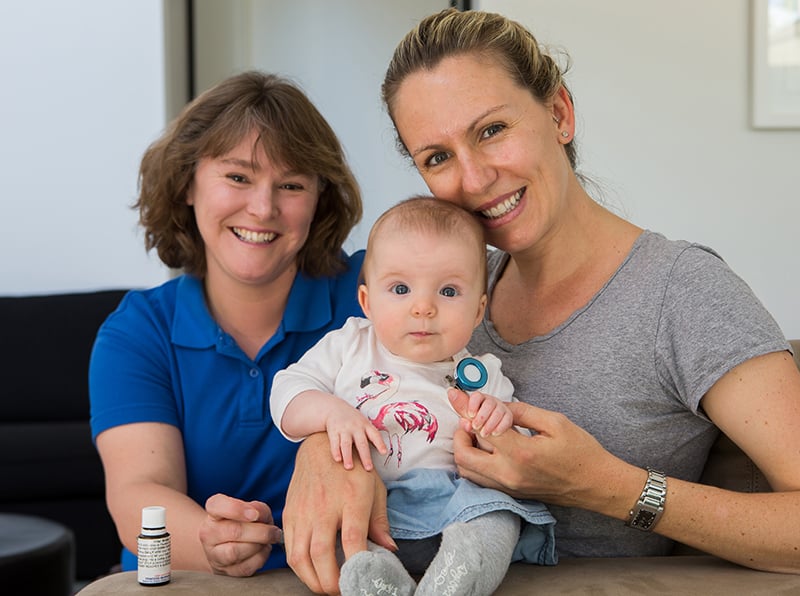
A study led by The Kids Research Institute Australia has suggested vitamin D supplementation in babies is no match for sunlight when it comes to preventing eczema.
Large numbers of children need emergency medical treatment each year for respiratory illnesses, particularly for wheezing and asthma.

What does BHP know about medical research? More than you might imagine!
The benefits that swimming pools may bring to to ear and eye health in remote Aboriginal communities remains unresolved

Meningococcal disease is caused by the bacteria Neisseria meningitidis, or 'meningococcus'. It's an uncommon but very serious disease that can result in death.