
Search
Showing results for "Childhood interstitial lung disease "
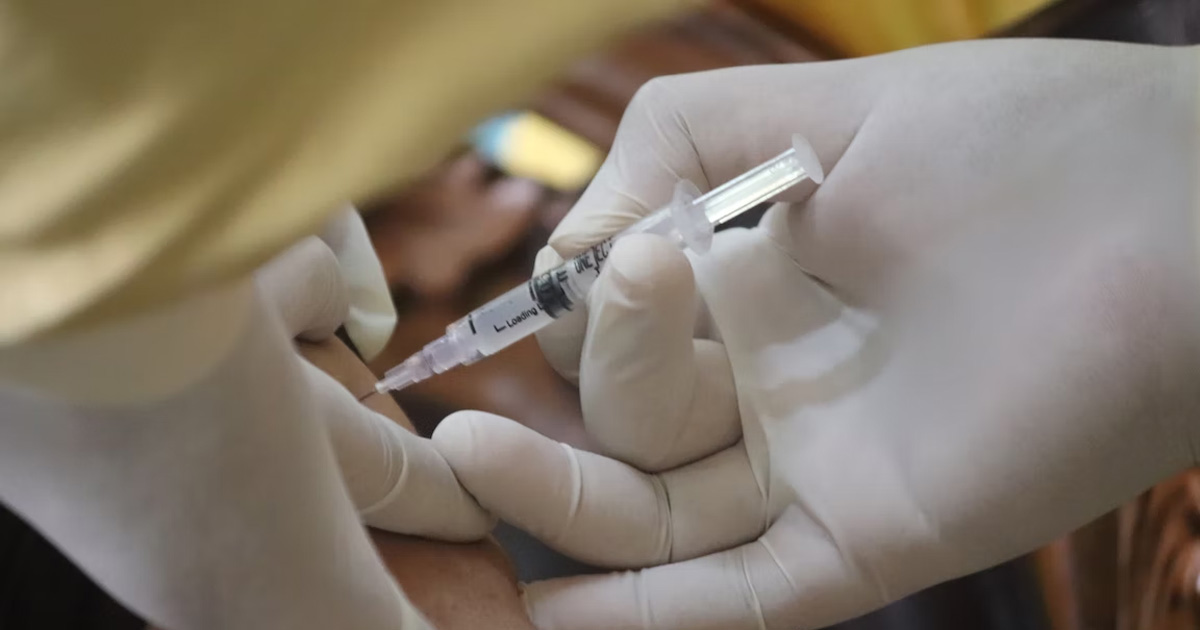
A world-first study has found a new vaccine against potentially deadly respiratory syncytial virus (RSV) is safe and effective for use in pregnant women, to help protect their babies.
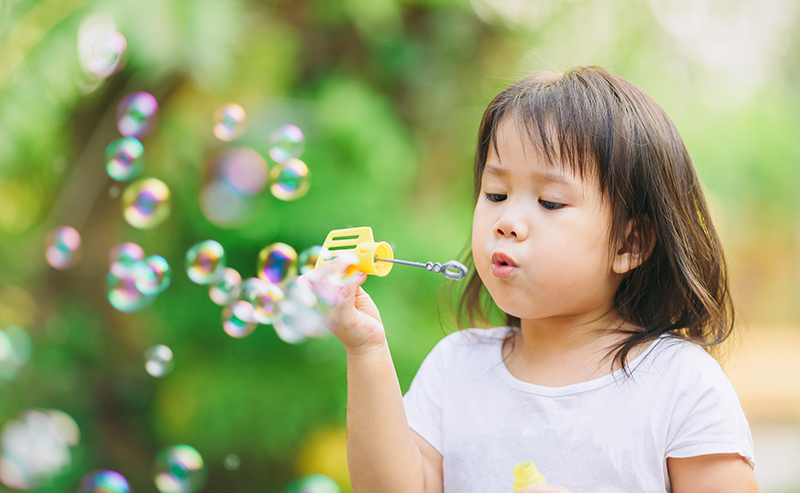
Almost 50 per cent of preschool children will experience at least one episode of wheeze, a whistling sound produced by the airways during breathing.
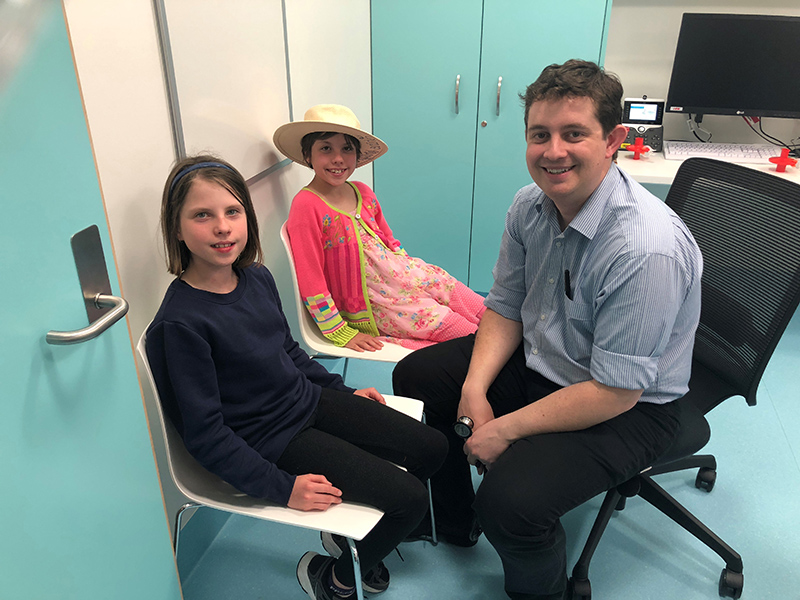
The Kids Research Institute Australia researchers are investigating whether a simple urine test could predict whether young children with wheezing symptoms will go on to develop asthma.
The Kids researchers are pioneering an exciting new approach to clinical trials, which aims to fast-track the best treatments for people with rare and complex diseases.
International guidelines recommend multidisciplinary intervention programs for addressing childhood obesity. In Western Australia, community-based healthy lifestyle programs for children and young people are insufficient for demand, especially for those over-represented in obesity statistics relating to prevalence. This protocol outlines the implementation and evaluation of an adapted, evidenced, community-based program in Perth, Western Australia.
The disparity between Aboriginal and non-Aboriginal infant removals needs to be seen as a priority requiring urgent action to prevent further intergenerational trauma
Interpregnancy intervals of <6 months were associated with increased odds of preterm birth in second-born infants
A healthy diet was consistently associated with higher academic performance
More needs to be done to address alcohol-related harm, and on-going monitoring is required to assess the effectiveness of strategies.
This study questions the causal effect of short interpregnancy intervals on adverse birth outcomes and points to the possibility of unmeasured or...