
very damaging side-effects; thus, survivors of childhood brain tumours, require screening for late effects
The rate of non-compliance with vitamin D supplementation is as high as 45%. This is why randomised controlled trials are needed to analyse the respo…
The rapid increase in mobile phone use in young people has generated concern about possible health effects of exposure to radiofrequency (RF) and ext…
are dedicated to tackling the major causes of childhood disease, disability and disadvantage. Our research

ORIGINS' SYMBA study awarded State Government grant to extend vital research into allergies

whooping cough vaccine might reduce cases of childhood food allergies according to latest research by

The Kids Research Institute Australia is proud to be a part of the Rare Care Comprehensive Centre (RCCC) for children with rare and undiagnosed disea…
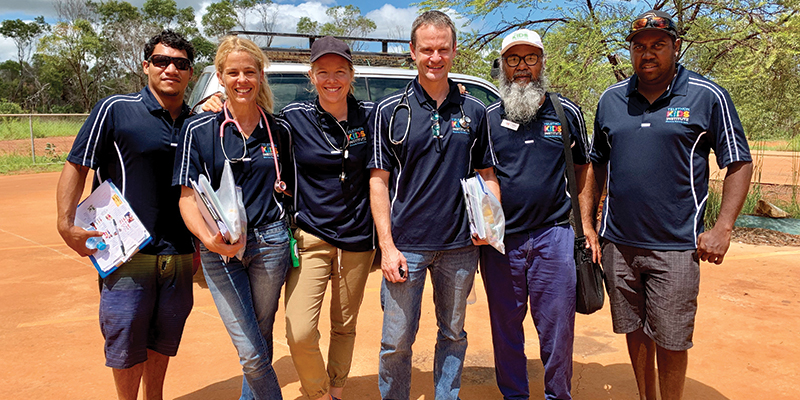
but says her experience working towards improved early diagnosis of chronic wet cough and lung disease ... it’s often curable – if we find it and man…
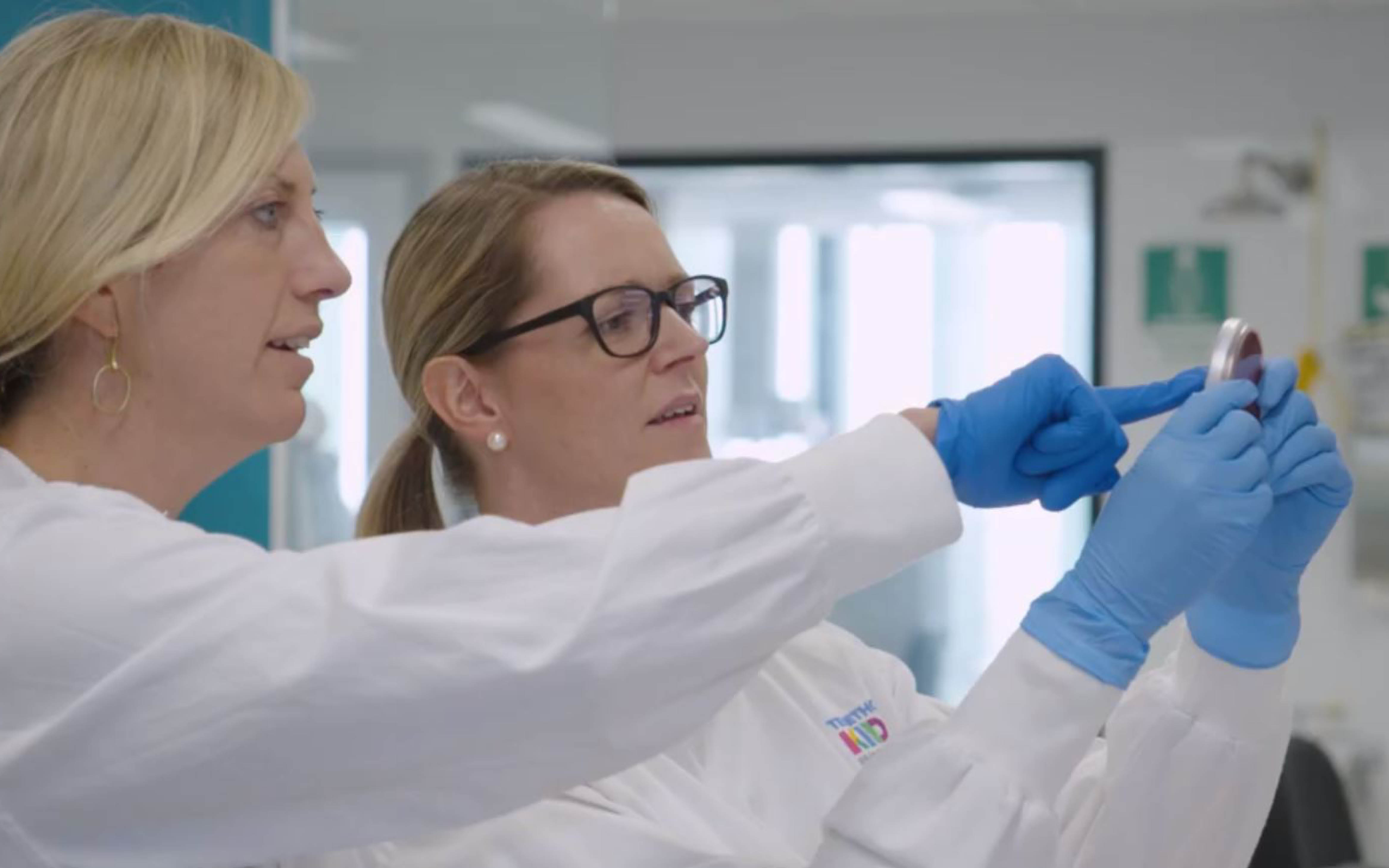
The Bacterial Respiratory Infectious Disease Group (BRIDG) has a major focus ear and lung disease involving Streptococcus pneumoniae and Haemophilus…
Food allergies have become more common in our community, with up to one in ten young children now affected. Reactions can range from mild hives to li…