
Search
Showing results for "mental health aboriginal"

We honour the memory of Emeritus Professor Michael Alpers, a colleague and friend to many at The Kids Research Institute Australia, who passed away on December 3, 2024.
The evidence supports the widespread provision of hearing aids as the first-line clinical management for those seeking help for hearing difficulties
This study investigated the associations between clusters of early life risk factors and developmental vulnerability in children's first year of full-time school at age 5
Reductions in pneumonia-coded hospital admissions in unvaccinated children predominated in non-Aboriginal children with low incidence of pneumonia
It is plausible that dog-facilitated activity rather than dog ownership per se encourages children's physical activity behaviors.
Listen Up - Urgent action needed to reduce ear infections
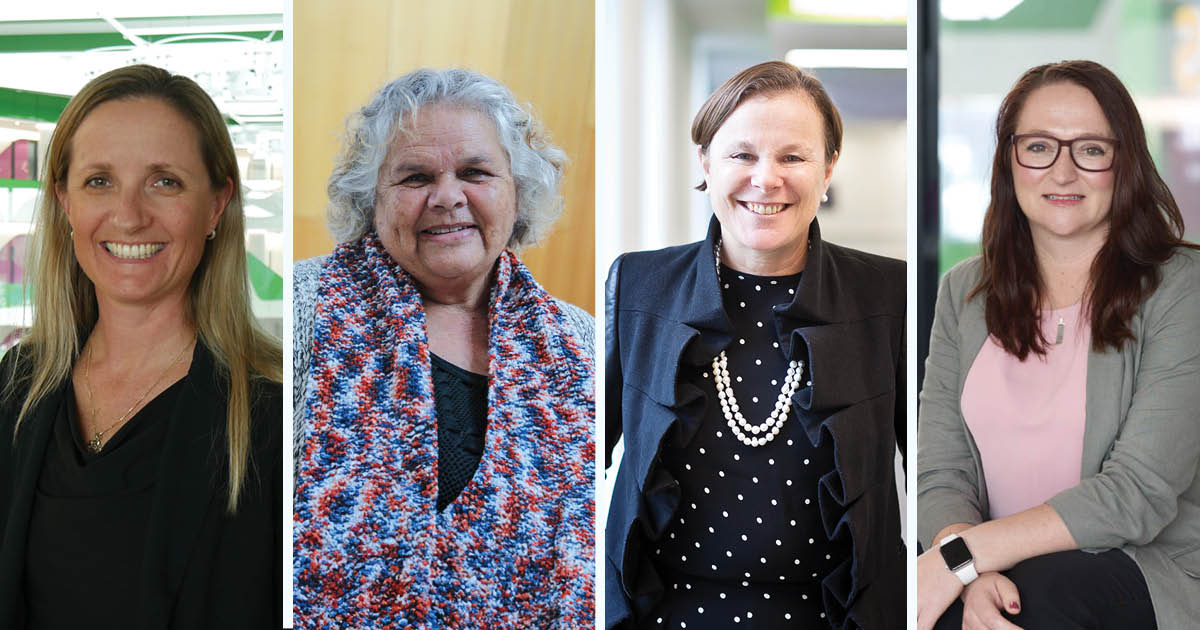
Four outstanding members of The Kids Research Institute Australia family – three researchers and an Aboriginal Elder co-researcher – have been named in the Australia Day Honours List for their outstanding service to research and the community.
Documenting carer, service provider and healthcare practitioner perspectives on skin infections provides more understanding of the context of treatment decisions
Rheumatic heart disease (RHD) is the most common form of acquired heart disease worldwide. In RHD, volume loading from mitral regurgitation leads to left ventricular (LV) dilatation, increased wall stress, and ultimately LV dysfunction. Improved understanding of LV dynamics may contribute to refined timing of intervention.
These results indicate that anaphylaxis is not a major cause of adverse reactions to benzathine penicillin G