
Search
Showing results for "Childhood interstitial lung disease "
Children with medulloblastoma and ependymoma are treated with a multidisciplinary approach that incorporates surgery, radiotherapy, and chemotherapy; however, overall survival rates for patients with high-risk disease remain unsatisfactory. Data indicate that plant-derived cannabinoids are effective against adult glioblastoma; however, preclinical evidence supporting their use in pediatric brain cancers is lacking. Here we investigated the potential role for Δ9-tetrahydrocannabinol (THC) and cannabidiol (CBD) in medulloblastoma and ependymoma. Dose-dependent cytotoxicity of medulloblastoma and ependymoma cells was induced by THC and CBD in vitro, and a synergistic reduction in viability was observed when both drugs were combined.
Vitamin D deficiency (serum 25-hydroxyvitamin D (25(OH)D) concentration <50 nmol/l) is recognised as a public health problem globally. The present study details the prevalence and predictors of vitamin D deficiency in a nationally representative sample (n 3250) of Australian Aboriginal and Torres Strait Islander adults aged ≥18 years. We used data from the 2012-2013 Australian Aboriginal and Torres Strait Islander Health Survey (AATSIHS). Serum 25(OH)D concentrations were measured by liquid chromatography-tandem MS.
Benefits in teaching the Alert Program® to students in a region with high reported rates of foetal alcohol spectrum disorder and self-regulation impairment
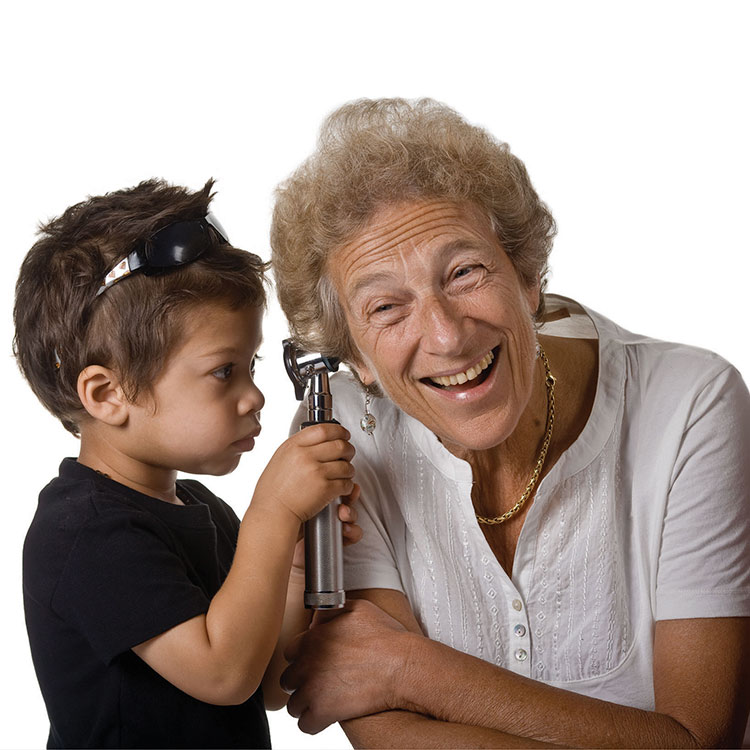
The Kids researchers discovered that overcrowding is the strongest predictor of carriage of bacteria that cause otitis media
Neuroblastoma is a complex childhood cancer of the nerve cells and the most common solid tumour in children outside of the brain. The average age of diagnosis is 1-2 years and tragically 50% of children with high-risk neuroblastoma lose their battle within five years.

The ultimate goal of ORIGINS is to reduce the rising epidemic of non-communicable diseases through 'a healthy start to life'.
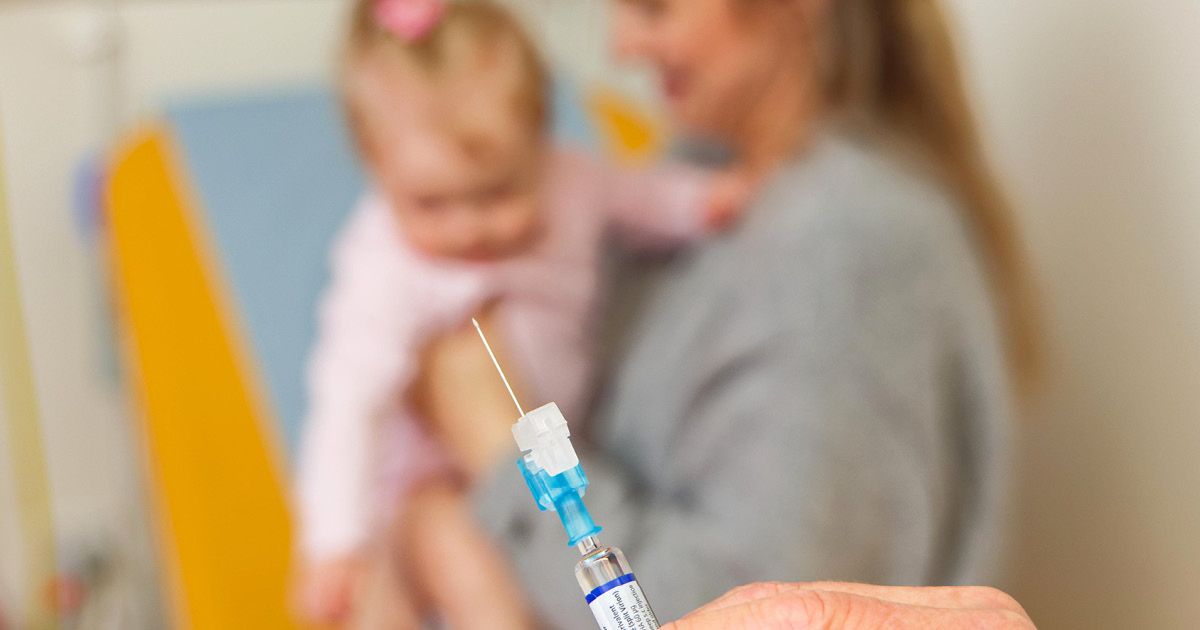
As a leading research site in Australia, the Wesfarmers Centre of Vaccines and Infectious Diseases played an instrumental role in the global effort to develop a world-first RSV immunisation for young babies.
HealthNuts is a single-centre, multi-wave, population-based longitudinal study designed to assess prevalence, determinants, natural history and allergy...
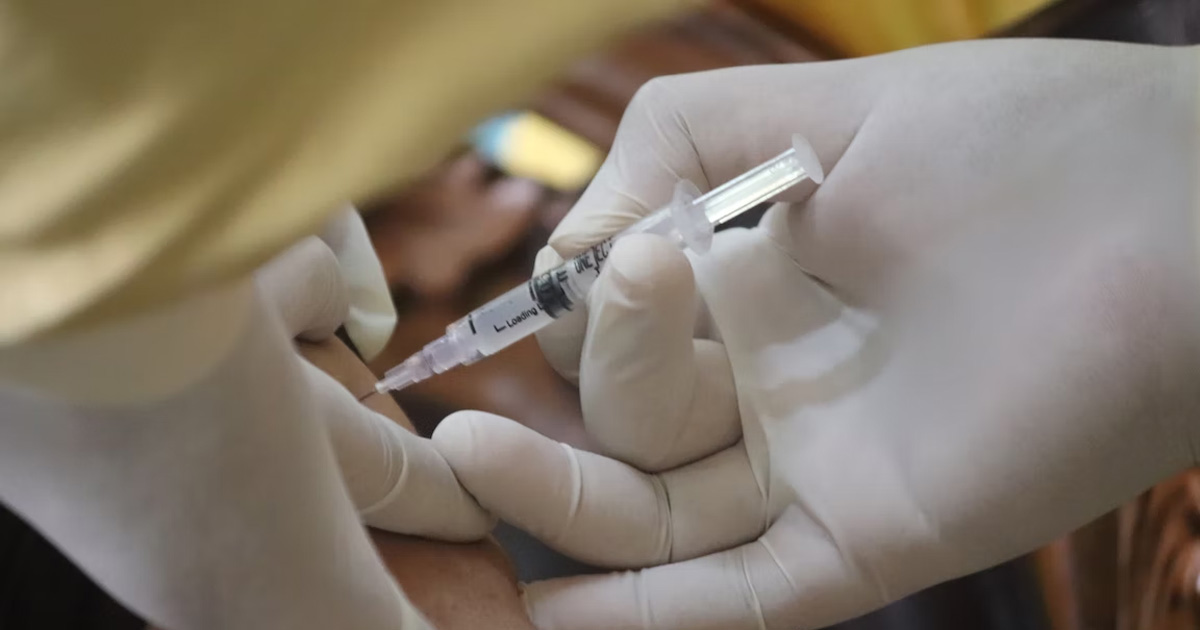
A world-first study has found a new vaccine against potentially deadly respiratory syncytial virus (RSV) is safe and effective for use in pregnant women, to help protect their babies.

Almost 50 per cent of preschool children will experience at least one episode of wheeze, a whistling sound produced by the airways during breathing.