
Search
Showing results for "mental health aboriginal"
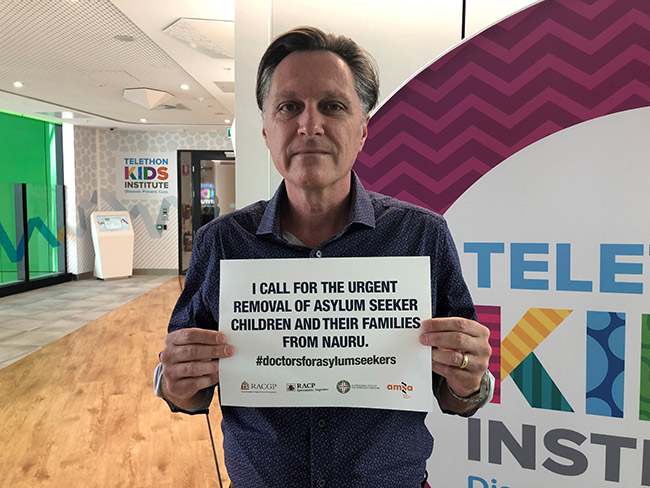
The Kids Research Institute Australia is calling for the immediate removal of all refugee and asylum seeker children and their families from Nauru.
Childhood outcomes following preterm birth are widely published, however long-term adult outcomes are less well described. We aimed to determine the quality of life and burden of co-morbidities experienced by preterm-born young adults in Western Australia.
We know relatively little about the role the neighbourhood built environment plays in promoting young children's physical activity, particularly its longitudinal effect either through repeated exposure to the same environment or through change in exposure by moving from one neighbourhood to another.
Parents of young children with type 1 diabetes (T1D) are at risk of experiencing elevated stress due to their responsibilities as caregivers. Despite this, there are limited interventions designed to enhance resilience in this population of parents. This pilot randomised controlled trial aimed to examine the acceptability, appropriateness, and feasibility of the Promoting Resilience in Stress Management for Parents (PRISM-P) intervention in parents of young children with T1D.

Youth mental health researcher Penelope Strauss has been named an AMP Tomorrow Maker – the first researcher from The Kids Research Institute Australia to win one of the annual AMP Foundation grants.

Four The Kids Research Institute Australia researchers – working across diverse fields including paediatric anaesthesia, bioinformatics, ear health, and the health impacts of biodiesel exhaust – have been named as finalists in the 2021 Premier’s Science Awards.
The Role Strategic and operational management of the WA Child Development Atlas project, including planning and managing agency and stakeholder
Patient recruitment, sample collection & coordination of a clinical study in patients with rheumatic heart disease.
These data highlight the importance of recognising Sporotrichosis in children outside an outbreak setting
For decades, the research community has called for participant information sheets/consent forms (PICFs) to be improved. Recommendations include simplifying content, reducing length, presenting information in layers and using multimedia. However, there are relatively few studies that have evaluated health consumers' (patients/carers) perspectives on the type and organisation of information, and the level of detail to be included in a PICF to optimise an informed decision to enter a trial.