
Search
Showing results for "Childhood interstitial lung disease "
Chris Andrew Monique Videos Brennan-Jones Whitehouse Watch and listen to Andrew Robinson PhD PhD PhD MPsych (Clin) MAPS Head, Ear and Hearing Health
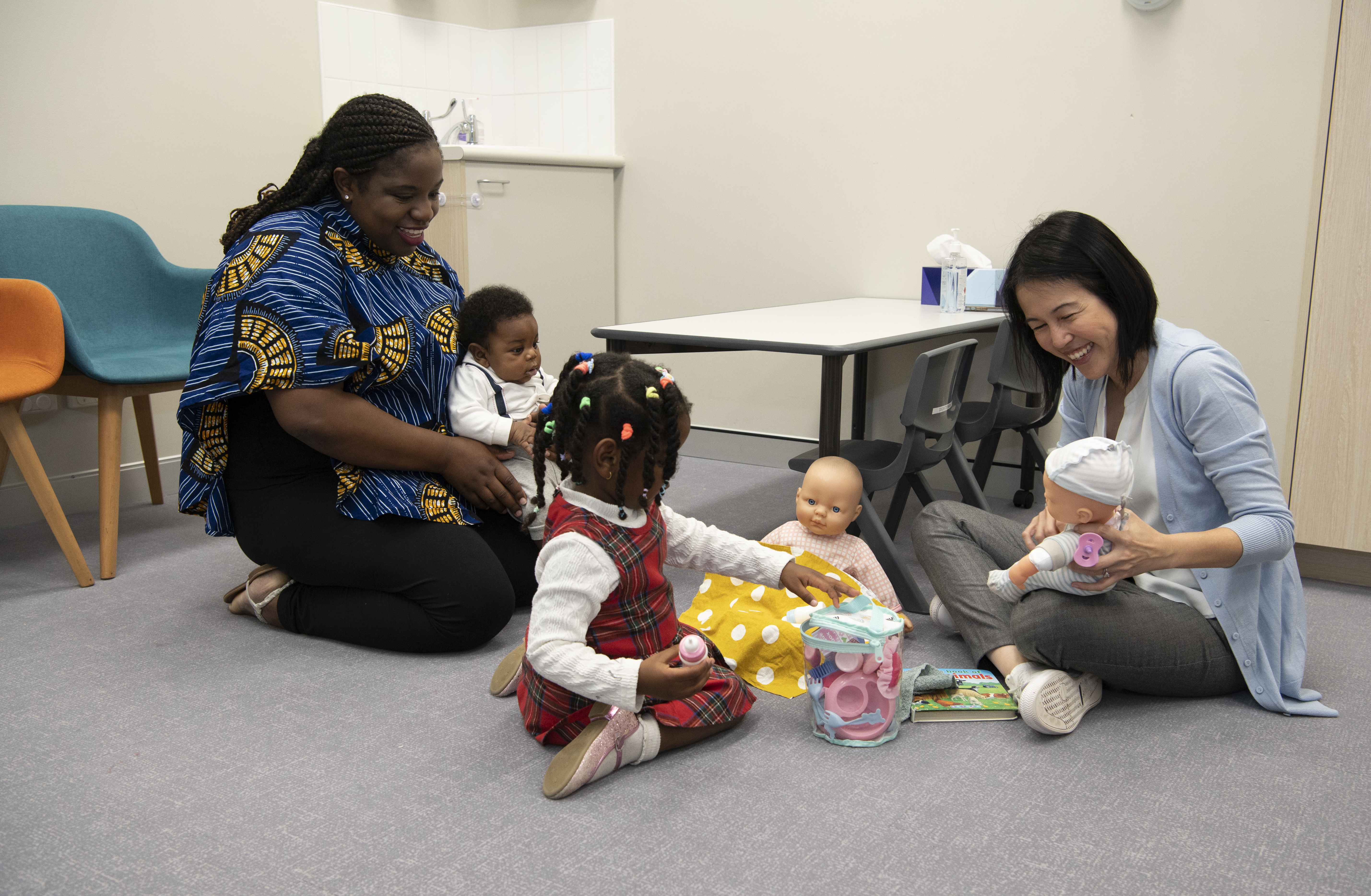
In this blog, Speech Pathologist Linda Arabi discusses the social model and how it influences the supports we provide to autistic children and their families.
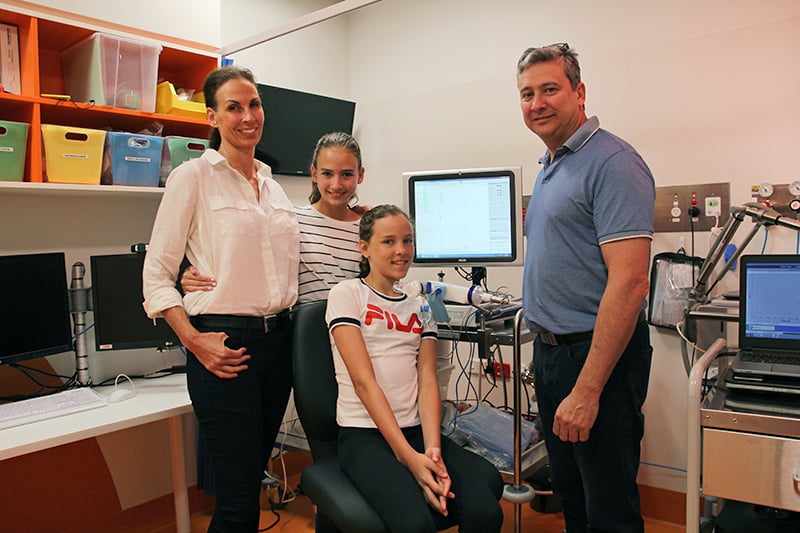
The family of two girls with cystic fibrosis are hopeful after The Kids Research Institute Australia spin-off company, Respirion, receives $20 million in funding to develop a promising new therapy.
The role Staphylococcus aureus antimicrobial resistance genes and toxins play in disease severity, management and outcome in childhood is an emerging field requiring further exploration.
Communication impairments are a leading concern for parent caregivers of individuals with rare neurodevelopmental disorders. Clinical trials of disease modifying therapies require valid and responsive outcome measures that are relevant to individuals with RNDDs. Identifying and evaluating current psychometric properties for communication measures is a critical step towards the selection and use of appropriate instruments.
When the COVID-19 pandemic was declared, Governments responded with lockdown and isolation measures to combat viral spread, including the closure of many schools. More than a year later, widespread screening for SARS-CoV-2 is critical to allow schools and other institutions to remain open.
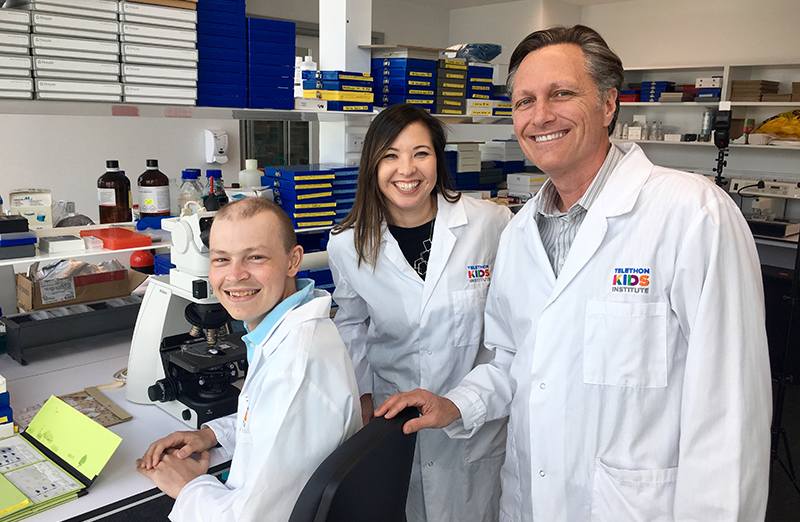
The Kids Research Institute Australia and Perth Children’s Hospital will lead an international clinical trial of a novel drug combination they hope will increase cure rates for one of the most aggressive forms of childhood brain cancer.
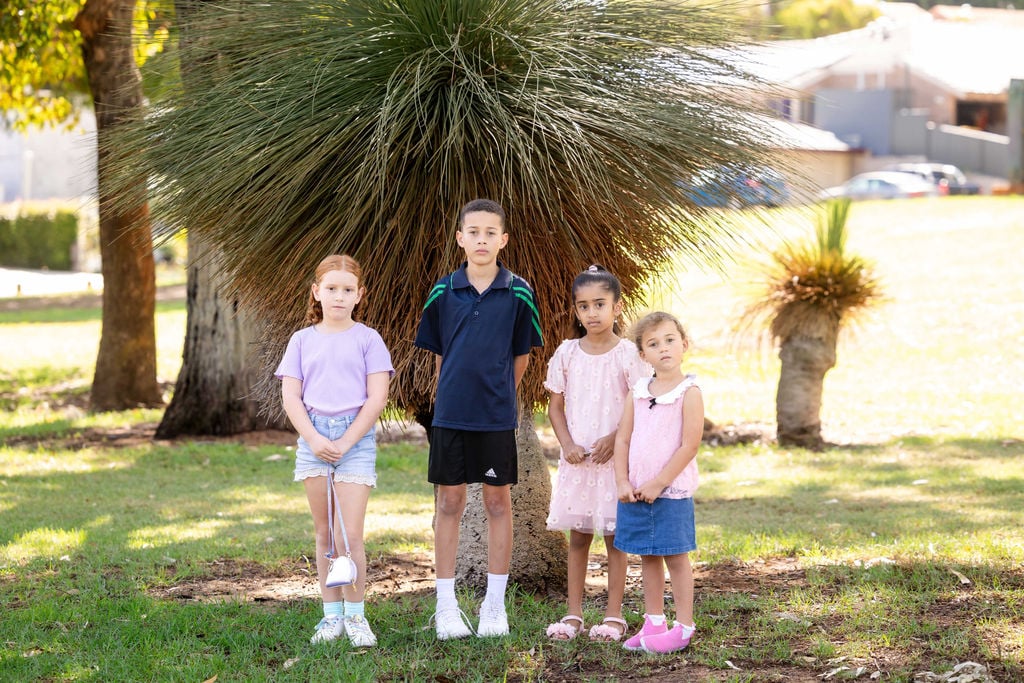
Positive mental health, flourishing, and resilience to stress are not only critical to the overall wellbeing of a person but also their physical health, affecting both chronic and acute health conditions
Sickle cell disease (SCD) is an inherited red blood cell disease that results in a multitude of medical complications, including an increased risk of invasive disease caused by encapsulated bacteria, such as Streptococcus pneumoniae. Pneumococcal vaccines have contributed to a significant reduction in pneumococcal disease (PD) in children and adults, including those with SCD. This phase 3 study evaluated the safety and immunogenicity of V114, a 15-valent pneumococcal conjugate vaccine, in children with SCD.
Sickle cell disease (SCD) is an inherited red blood cell disease that results in a multitude of medical complications, including an increased risk of invasive disease caused by encapsulated bacteria, such as Streptococcus pneumoniae. Pneumococcal vaccines have contributed to a significant reduction in pneumococcal disease (PD) in children and adults, including those with SCD. This phase 3 study evaluated the safety and immunogenicity of V114, a 15-valent pneumococcal conjugate vaccine (PCV), in children with SCD.