
Search
Showing results for "Childhood interstitial lung disease "
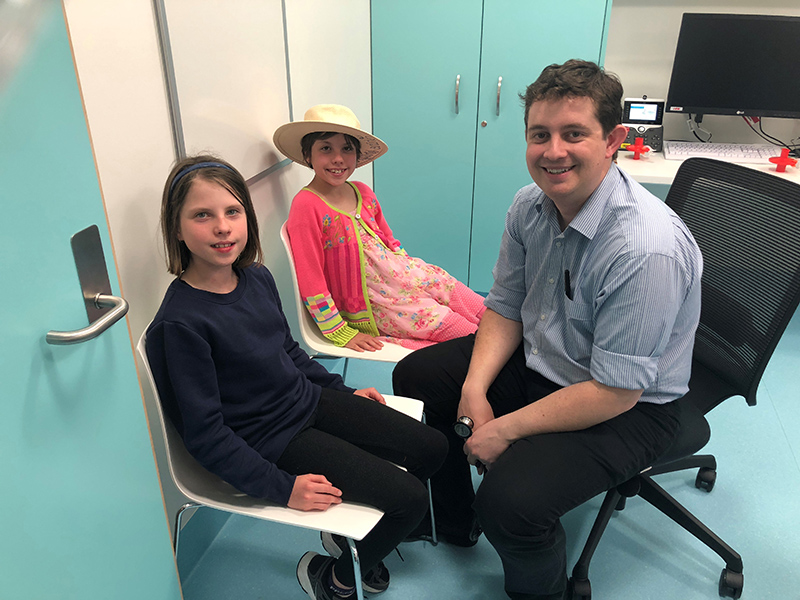
The Kids Research Institute Australia researchers are investigating whether a simple urine test could predict whether young children with wheezing symptoms will go on to develop asthma.
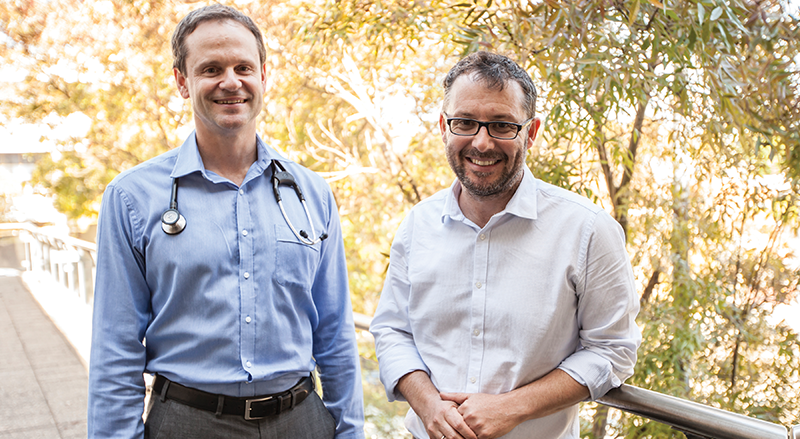
The Kids researchers are pioneering an exciting new approach to clinical trials, which aims to fast-track the best treatments for people with rare and complex diseases.
Scientific Launch Speakers Professor Liz Davis @ProfLizDavis @CDCTelethonKids Professor Davis is the Co-Director of the JDRF Global Centre of
In Western Australia, Neisseria meningitidis serogroup W clonal complex 11 became the predominant cause of invasive meningococcal disease in 2016
The incidence of atopic disease has increased dramatically during recent decades and the potential immunoregulatory influence of the microbiota in these...
Healthy skin is important for maintaining overall physical and cultural health and wellbeing. However, remote-living Australian Aboriginal children contend with disproportionally high rates of Streptococcus pyogenes (Strep A) infected impetigo.
Congenital cytomegalovirus (cCMV) is a common infection at birth with the potential to cause significant and permanent morbidity, most commonly hearing loss. Targeted cCMV testing programmes use hearing loss as an indicator of an infant being at high risk of the infection and thereby can 'target' or focus testing on those at greatest risk. Australian and International guidelines recommend that high-risk infants be offered cCMV testing, yet across Australia, a formal testing system does not exist.
This paper reports on the shift in parental attitude to vaccination after 2010, due to an unprecedented increase in febrile reactions in children receiving...

ORIGINS sub-projects are investigating the best way to provide support to new parents and positively influence the health and development of their children.
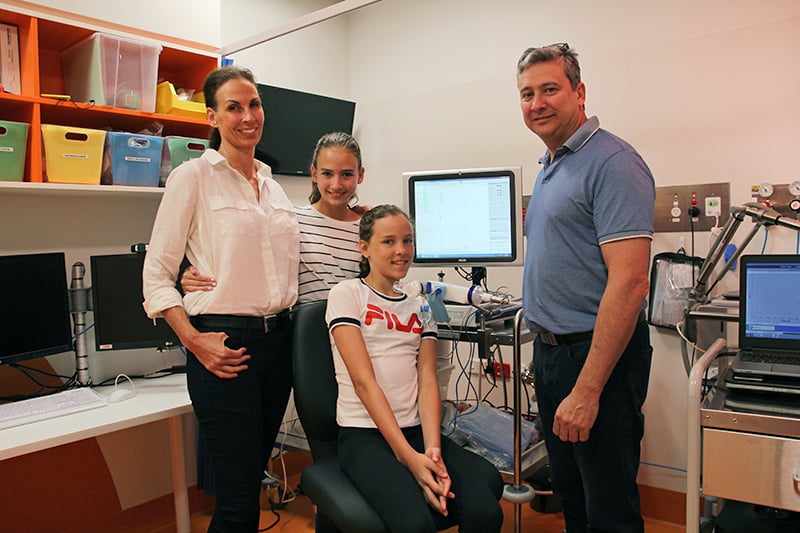
The family of two girls with cystic fibrosis are hopeful after The Kids Research Institute Australia spin-off company, Respirion, receives $20 million in funding to develop a promising new therapy.