
Search
Showing results for "aboriginal respiratory"
Multiple SARS-CoV-2 variants have emerged over the COVID-19 pandemic. The implications for COVID-19 severity in children worldwide are unclear. The objective was to determine whether the dominant circulating SARS-CoV-2 variants of concern (VOCs) were associated with differences in COVID-19 severity among hospitalized children.
Life-threatening invasive infections caused by Streptococcus pyogenes and Streptococcus dysgalactiae subsp. equisimilis (SDSE) are unpredictable, frequently fatal, and are increasing in incidence globally. In the absence of evidence from randomized controlled trials (RCTs), clinical management for these conditions varies. Understanding current management approaches and areas of clinical equipoise will inform planning of feasible high-impact RCTs.
We aimed to assess and identify any gaps in antimicrobial stewardship resources and activities for all hospitalised children in Australia pre- and post- the COVID-19 pandemic
SARS-CoV-2 infection is associated with a significant risk of hospitalisation, death, and prolonged impact on quality of life. Evaluation of new treatment options and optimising therapeutic management of people hospitalised with SARS-CoV-2 infection remains essential, but rapid changes in pandemic conditions and potential therapies have limited the utility of traditional approaches to randomised controlled trials.
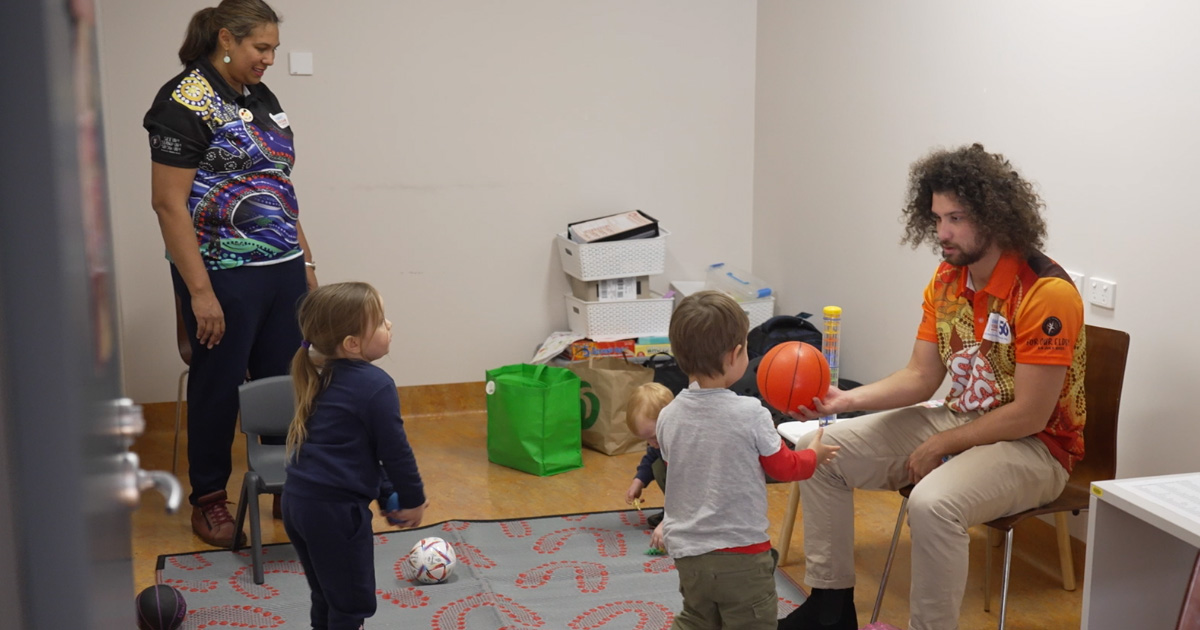
Complex health needs of Indigenous children are being fast-tracked by a unique project designed to reduce red tape and deliver timely paediatric services.
The recent increase in babies born with brain and eye malformations in Brazil is associated with Zika virus (ZIKV) infection in utero. ZIKV alters host DNA methylation in vitro. Using genome-wide DNA methylation profiling we compared 18 babies born with congenital ZIKV microcephaly with 20 controls. We found ZIKV-associated alteration of host methylation patterns, notably at RABGAP1L which is important in brain development, at viral host immunity genes MX1 and ISG15, and in an epigenetic module containing the causal microcephaly gene MCPH1. Our data support the hypothesis that clinical signs of congenital ZIKV are associated with changes in DNA methylation.
Exome sequencing has enabled molecular diagnoses for rare disease patients but often with initial diagnostic rates of ~25-30%. Here we develop a robust computational pipeline to rank variants for reassessment of unsolved rare disease patients. A comprehensive web-based patient report is generated in which all deleterious variants can be filtered by gene, variant characteristics, OMIM disease and Phenolyzer scores, and all are annotated with an ACMG classification and links to ClinVar.
Here we focus on the problem of prioritising variants with respect to the observed disease phenotype
We outline a series of research initiatives to improve identification of RHD in administrative data thereby contributing to monitoring the RHD burden globally
Prevention strategies in ARF endemic settings may be enhanced by targeting new members entering a community and children in environments of close contact