
Search
Showing results for "aboriginal respiratory"
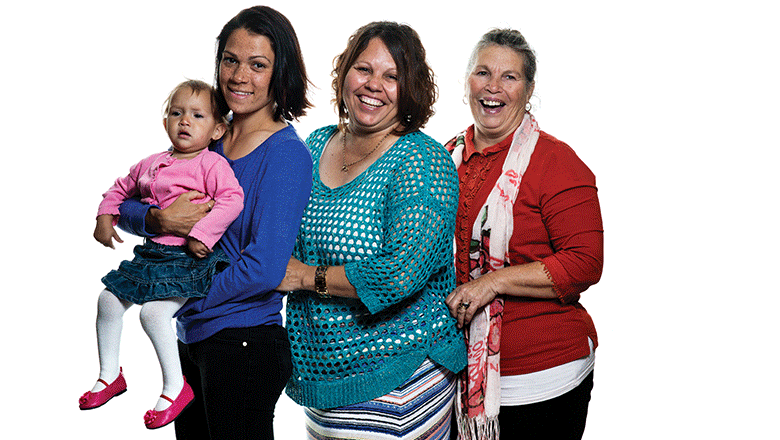
A study by researchers at The Kids Research Institute Australia has found Aboriginal mothers are at a significantly greater risk of preventable death than other Australia
The Kids Research Institute Australia have shown that genetic variations that influence BMI and diabetes are similar to those in non-Aboriginal populations.
The health of Aboriginal and Torres Strait Islander people in Australia is crucial to address due to the burden of disease and injury in aboriginal population.
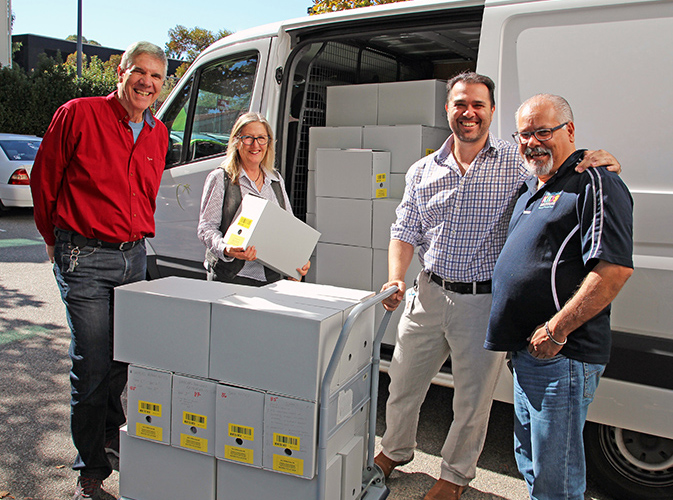
The landmark Western Australian Aboriginal Child Health Survey has been placed into archiving at the State Library of Western Australia to be preserved for future generations.
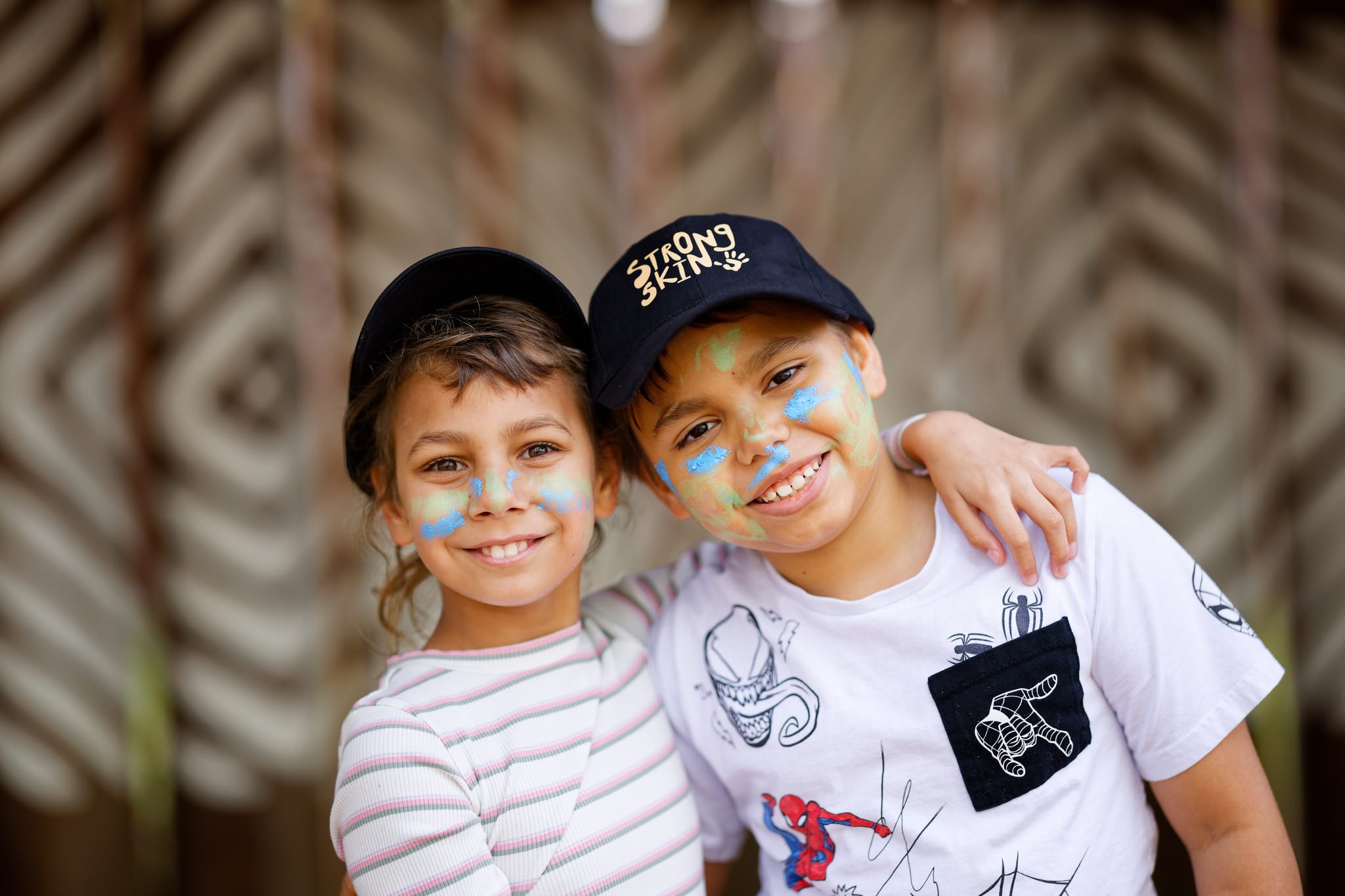
Efforts to improve health outcomes for Aboriginal children have been accelerated thanks to almost $1 million in National Health and Medical Research Council (NHMRC) funds awarded to skin health researchers at The Kids Research Institute Australia.
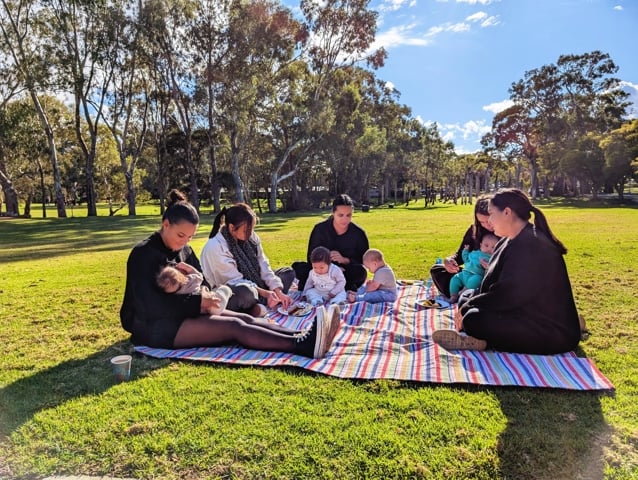
A group of 19 Aboriginal women from South Australia, along with researchers from The Kids Research Institute Australia, have developed a culturally responsive, evidence-based model of care to support Aboriginal women with cardiometabolic complications in pregnancy in SA.
There remains a glaring disparity between the health of an Australian Aboriginal child when compared with that of a non-Aboriginal Australian child. In recent years, studies have advocated for the adoption of culturally sensitive health care provision if significant improvements are to be made in the health of Australian Aboriginal children.
This paper reports on how the summit was designed and on some of the ideas and concerns that emerged within this dialogical space of cooperative inquiry.
Establishing a genomic reference for Australian Aboriginal populations
Winning the support of a remote Aboriginal community paved the way for a pioneering genetics study.