Skip to content

Search

Sibling Stories: Improving the mental health of siblings of trans youth

Some studies indicate siblings of transgender (trans) and gender diverse young people often experience negative mental health impacts such as anxiety and depression due to complicated familial, individual and social factors associated with having a trans sibling.

SPARX-T: An online game to prevent depression in trans young people

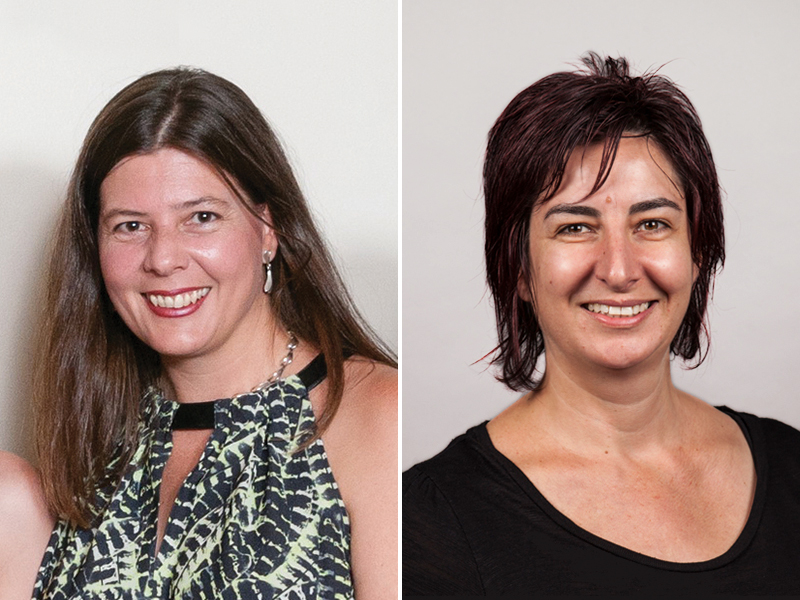
Yael Penelope Helen Holly Perry Strauss Morgan Moss BPsych (Hons) MPsych (Clin) PhD BA, MPH, PhD BA (Hons), Doctor of Psychology BEd Head, Youth

The Youth Safe Haven Café Project

The Youth Safe Haven Project will co-design a youth-specific Safe Haven Café within the Peel Health Hub to serve as an alternative to the emergency department for young people at risk of suicide.

Transforming Families

We want to better understand the relationship between parents/carers and their children who identify as trans or gender diverse with the aim of improving the well-being of the whole family.

Brain iron concentration in childhood ADHD: A systematic review of neuroimaging studies

Iron deficiency may play a role in the pathophysiology of Attention Deficit/Hyperactivity Disorder (ADHD). Due to its preponderant function in monoamine catecholamine and myelin synthesis, brain iron concentration may be of primary interest in the investigation of iron dysregulation in ADHD.

Priority setting for children and young people with chronic conditions and disabilities

The aim of this project was to identify the top 10 priorities for childhood chronic conditions and disability (CCD) research from the perspectives of children and young people with lived experience, their parents and caregivers and the professionals who work with them.

Conceptualising Wellbeing for Australian Aboriginal LGBTQA+ Young People

It is likely that young people who are both Aboriginal and Torres Strait Islander and LGBTQA+ would be at increased risk for poor mental health outcomes due to the layered impacts of discrimination they experience; however, there is very little empirical evidence focused on the mental health and wellbeing of Aboriginal and Torres Strait Islander LGBTQA+ young people. The current study represents a qualitative exploration of wellbeing among Aboriginal LGBTQA+ young people. 

Developing fit-for-purpose funding models for rural settings: Lessons from the evaluation of a step-up/step-down service in regional Australia

Sub-acute mental health community services provide a bridging service between hospital and community care. There is limited understanding of the local factors that influence success, and of the funding implications of delivering services in rural areas.

GP perspectives on a psychiatry phone line in Western Australia's Great Southern region: implications for addressing rural GP workload

Mental illness is a public health challenge disproportionately affecting rural Australians. GPs provide most of the mental health care, and they report increasing levels of burnout and unsustainable workload in the context of increased patient complexity. This may be more salient in rural settings characterised by resource constraints. In this paper, we use evaluation data from a GP psychiatry phone line established in Western Australia's Great Southern region in 2021 to describe GPs' perspectives on the service and reflect on how it may help alleviate rural GP workload. 

A systematic search and narrative review of Aboriginal and Torres Strait Islander women and men pelvic health care: demonstrated need for improvement

Pelvic health conditions among Aboriginal and Torres Strait Islander women and men are under-recognised and under-reported despite indication of the significant burden of these conditions. Access to effective management provided in a culturally safe manner appears lacking.