
Search
Showing results for "mental health aboriginal"
We performed a discovery GWAS in an extended UAE family (N = 178; 66 diabetic; 112 healthy) genotyped on the Illumina Human 660 Quad Beadchip, with...
Mapping murine genes controlling cutaneous leishmaniasis (CL) identified Fli1 as a candidate influencing resistance to L. major and enhanced wound healing.
Congenital Toxoplasma gondii infection can result in intracranial calcification, hydrocephalus and retinochoroiditis. Acquired infection is commonly associated
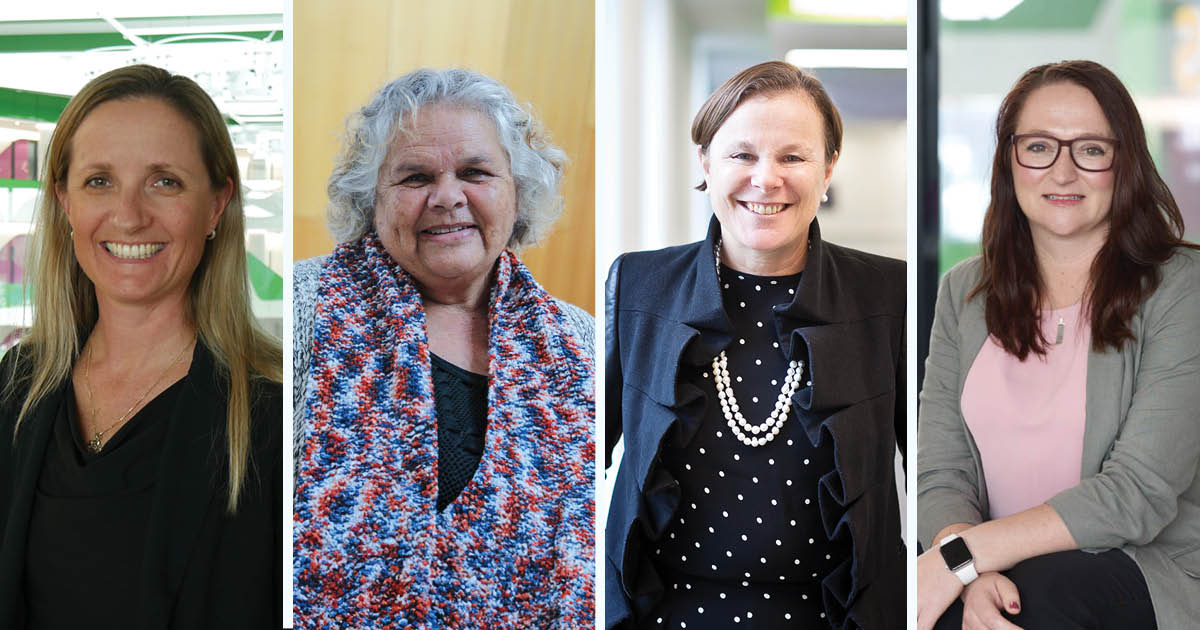
Four outstanding members of The Kids Research Institute Australia family – three researchers and an Aboriginal Elder co-researcher – have been named in the Australia Day Honours List for their outstanding service to research and the community.

In addition to our busy lives, there’s a lot going on around us locally and across the world.
Aim: To: (1) develop a core outcome set (COS) to assess chronic pain interference and impact on emotional functioning for children and young people with cerebral palsy (CP) with varying communication, cognitive, and functional abilities; (2) categorize the assessment tools according to reporting method or observer-reported outcome measures; and (3) categorize the content of tools in the COS according to the International Classification of Functioning, Disability and Health (ICF).
Increasing numbers of trans young people are seeking medical services worldwide, but there have been few qualitative investigations of the experiences of trans young people attempting to engage with these services to explore in-depth experiences of clinical interactions.
Hallucinatory and delusional experiences are common in Australian adolescents
Socioeconomic inequality in emotional symptoms exists. This inequality is partly explained by socioeconomic inequality in self-efficacy
Researchers conducting program evaluations in other contexts are advised to consider testing for this potential source of bias in their studies