
Search
Showing results for "vitamin d asthma"
Quantifying the extent to which previous infections and vaccinations confer protection against future infection or disease outcomes is critical to managing the transmission and consequences of infectious diseases. We present a general statistical model for predicting the strength of protection conferred by different immunising exposures (numbers, types, and strains of both vaccines and infections), against multiple outcomes of interest, whilst accounting for immune waning.
Alcohol consumption in pregnancy can affect genome regulation in the developing offspring but results have been contradictory. We employed a physiologically relevant murine model of short-term moderate prenatal alcohol exposure resembling common patterns of alcohol consumption in pregnancy in humans.
Since their first detection in 2010, Plasmodium falciparum malaria parasites lacking the P. falciparum histidine-rich protein 2 gene (pfhrp2) have been observed in 40 of 47 surveyed countries, as documented by the World Health Organization. These genetic deletions reduce detection by the most widely used rapid diagnostic tests, prompting three countries to switch to alternative diagnostics.
Parents of children with physical/mental health and/or neurodevelopmental conditions often need to make disclosure decisions for their child. Disclosure can bring benefits (e.g., support) but can also risk harm (e.g., stigma). This systematic review aimed to consolidate research regarding parents' disclosure experiences to better understand how to support parents during this process.
Parents of trans and gender diverse (herein ‘trans’) children experience additional challenges in their parenting role relative to parents of cisgender children. Understanding and enhancing parents’ empowerment is a promising approach to support both parents and children. We aimed to develop an empowerment scale specific to parents of trans children, grounded in parents’ lived experiences.

Trans or gender diverse young people are working with The Kids researchers to come up with resources that will provide better support to parents.
Influenza vaccination of children with medical comorbidities is critical due their increased risks for severe influenza disease. In Australia, hospitals are an avenue for influenza vaccine delivery to children with comorbidities but are not always effectively utilised. Qualitative enquiry sought to ascertainment the barriers and enablers for influenza vaccination recommendation, delivery, and recording of these children at Australian hospitals.
Trans youth are at high risk of mental health difficulties and negative life events. Strong parental support is highly protective however there is little understanding of what factors facilitate the process of parental understanding and acceptance of a child’s gender identity.
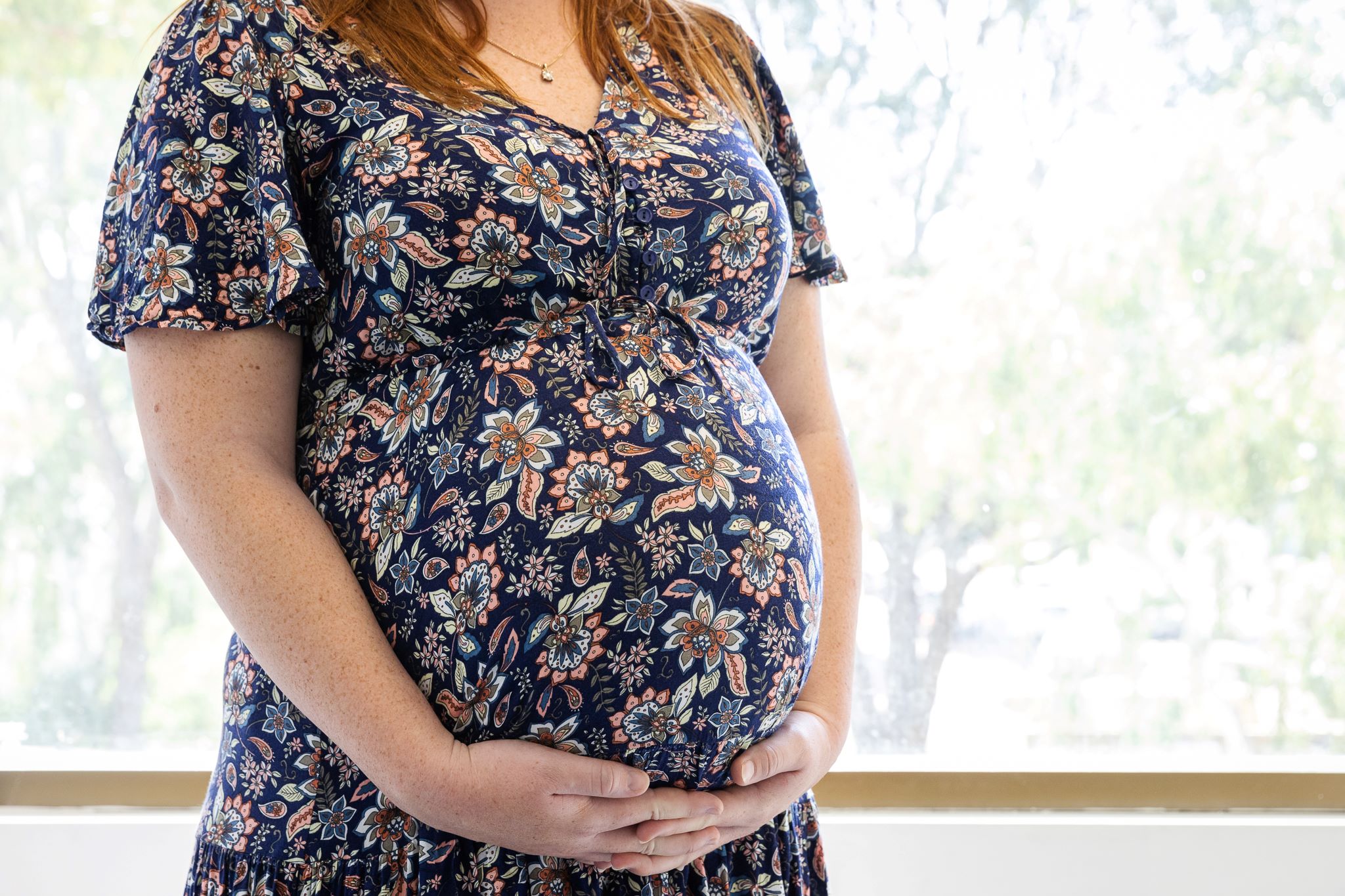
STress biOmaRKers in pregnant women
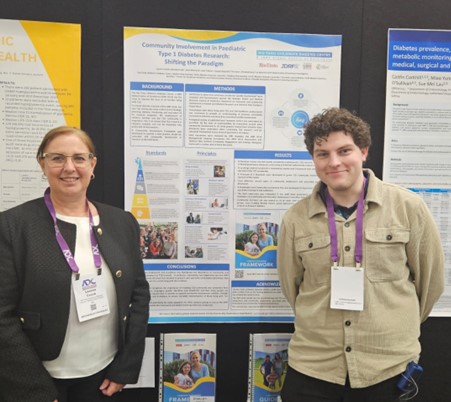
Our team had a few busy days presenting posters, chairing expert panels, delivering presentations and catching up with colleagues from across the world at the 2024 ADC Conference in Perth.