
Search
Showing results for "Childhood interstitial lung disease "
The role Staphylococcus aureus antimicrobial resistance genes and toxins play in disease severity, management and outcome in childhood is an emerging field requiring further exploration.
Communication impairments are a leading concern for parent caregivers of individuals with rare neurodevelopmental disorders. Clinical trials of disease modifying therapies require valid and responsive outcome measures that are relevant to individuals with RNDDs. Identifying and evaluating current psychometric properties for communication measures is a critical step towards the selection and use of appropriate instruments.
When the COVID-19 pandemic was declared, Governments responded with lockdown and isolation measures to combat viral spread, including the closure of many schools. More than a year later, widespread screening for SARS-CoV-2 is critical to allow schools and other institutions to remain open.
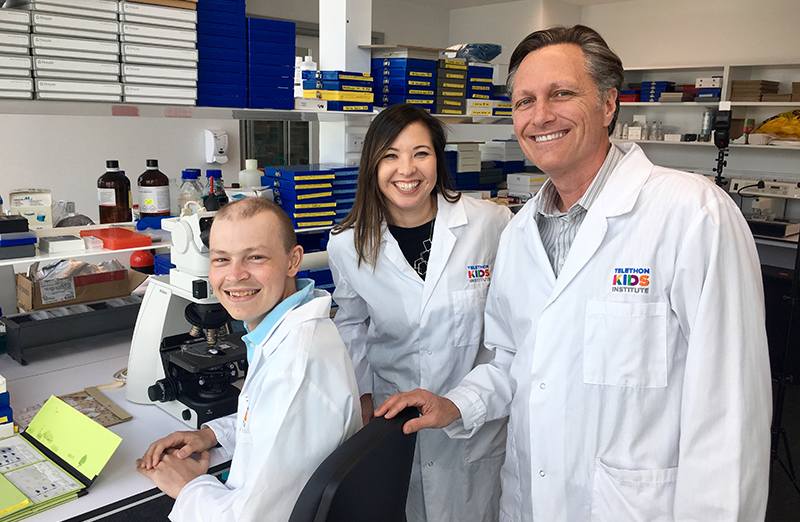
The Kids Research Institute Australia and Perth Children’s Hospital will lead an international clinical trial of a novel drug combination they hope will increase cure rates for one of the most aggressive forms of childhood brain cancer.
Sickle cell disease (SCD) is an inherited red blood cell disease that results in a multitude of medical complications, including an increased risk of invasive disease caused by encapsulated bacteria, such as Streptococcus pneumoniae. Pneumococcal vaccines have contributed to a significant reduction in pneumococcal disease (PD) in children and adults, including those with SCD. This phase 3 study evaluated the safety and immunogenicity of V114, a 15-valent pneumococcal conjugate vaccine, in children with SCD.
Sickle cell disease (SCD) is an inherited red blood cell disease that results in a multitude of medical complications, including an increased risk of invasive disease caused by encapsulated bacteria, such as Streptococcus pneumoniae. Pneumococcal vaccines have contributed to a significant reduction in pneumococcal disease (PD) in children and adults, including those with SCD. This phase 3 study evaluated the safety and immunogenicity of V114, a 15-valent pneumococcal conjugate vaccine (PCV), in children with SCD.
Globally, Indigenous populations have been disproportionately impacted by pandemics. In Australia, though national infection rates with COVID-19 infections in Aboriginal and/or Torres Strait Islander people were lower in the first 12 months of the COVID-19 pandemic, there was soon a greater burden in Aboriginal and/or Torres Strait Island people once Omicron was circulating. Uptake of the COVID-19 vaccine was also lower among Aboriginal and/or Torres Strait Islander people.
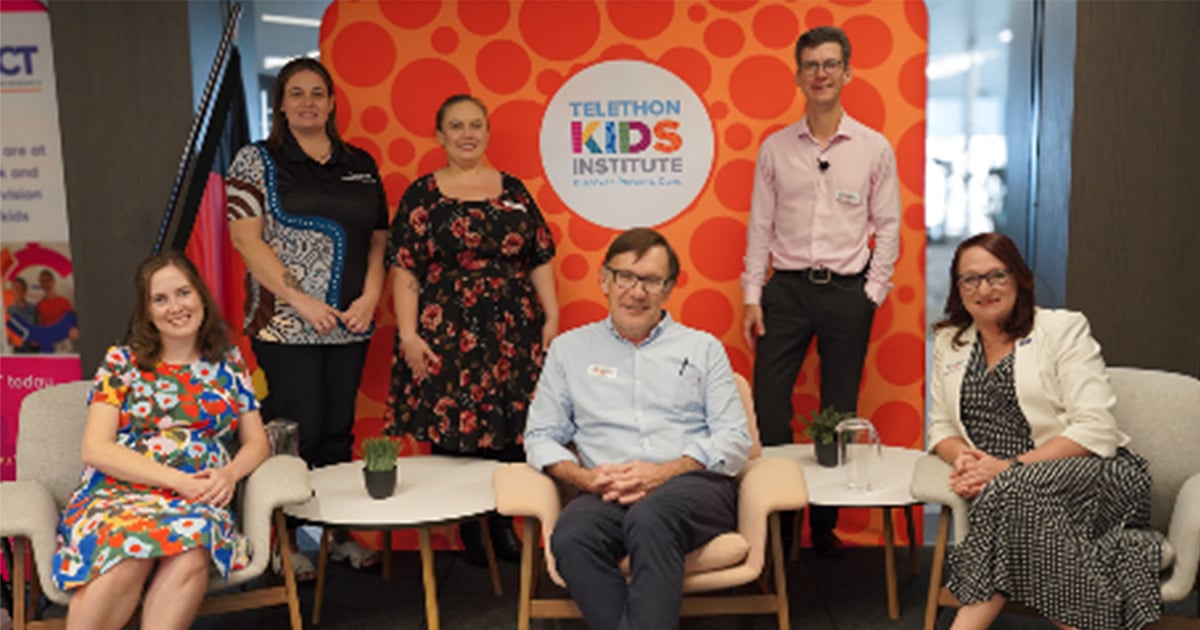
Chris Deborah Peter Tanisha Greta Karina Brennan-Jones Lehmann Richmond Cayley Bernabei Tao PhD AO, MBBS, MSc MBBS MRCP(UK) FRACP BBiomed (Hons) BSc
Aboriginal children aged younger than 5 years in Perth (Boorloo) have lower vaccine uptake compared to non-Aboriginal children.
STAMP RSV is a multifaceted program of work with the single focus to prepare the community for the uptake of new and emerging RSV immunisation strategies by providing the evidence to inform public health policy.