
Search
Showing results for "early lung health"
Oral immunotherapy is effective at inducing desensitisation to allergens and induces sustained unresponsiveness (ie, clinical remission) in a subset of patients, but causes frequent reactions. We aimed to investigate whether addition of a probiotic adjuvant improved the efficacy or safety of peanut oral immunotherapy.
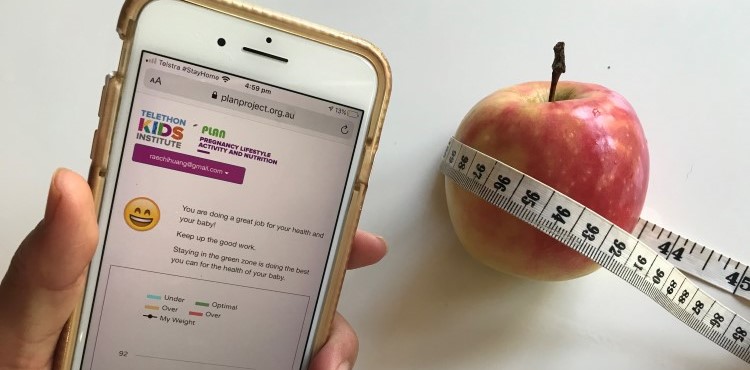
A diet and lifestyle mobile app targeting a critical window in early pregnancy is being introduced to women in the northern suburbs of Perth, hoping to assist with breaking the ‘transmission’ of obesity from one generation to the next.
Healthy Environments And Lives (HEAL) is the Australian national research network established to support improvements to health, the Australian health system, and the environment in response to the unfolding climate crisis. The HEAL Network comprises researchers, community members and organisations, policymakers, practitioners, service providers, and other stakeholders from diverse backgrounds and sectors.
Discharge against medical advice (DAMA) is a priority issue for the health system. Little is known about the factors associated with DAMA for Aboriginal and/or Torres Strait Islander (Aboriginal) children in Australia.
Stillbirth is a critical public health issue worldwide. While the rates in high-income countries are relatively low, there are persistent between-country disparities. We compared stillbirth rates and trends in Wales and the State of Western Australia (WA), Australia, and provide insights into any differences.

Amanda is a Certified Child Life Specialist and has a Bachelor of Science in Psychology and Master of Arts in Education with an emphasis on Child Life in Hospitals and Early Childhood Education.
Government early intervention services for children with intellectual disability (ID) in Western Australia have adopted the model of family-centred care.
We are studying immune cells from identical twins of which one suffers and one does not suffer from allergic disease to identify specific mechanisms that may play important roles in disease development.

Embrace 2023 Research Award winners Zoe Waters and Pulan Bai.
To characterise small-area geographical variation in the prevalence of diabetes in Australian youth. A combined statistical reconstruction and small-area estimation algorithm was applied to privacy-modulated data from the 2021 Australian Census.