
Search
Showing results for "lung disease preterm"
Review of the viral sensing pathways and organizing principles that govern the innate immune response to infection
This article focuses on IgE-mediated food allergies and allergic rhinitis, the most commonly seen conditions in paediatric immunology.
This paper is a review about the importance of alterations to the DNA molecule, rather than the DNA sequence, in the development of the immune system, and...
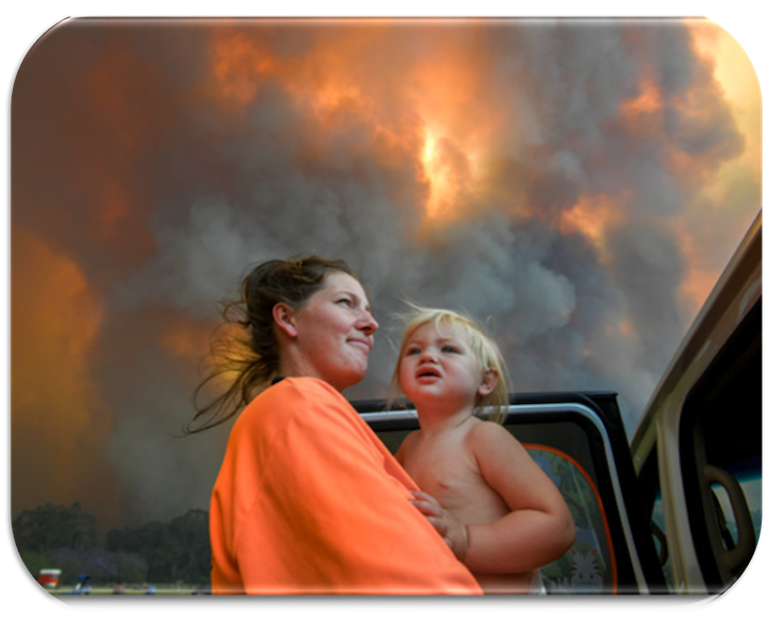
The greatest threat to children’s health in the future is environmental change, including climate change. The Future Child Health project aims to quantify how current and future environmental changes affect child health.
Deborah Peter Lehmann Richmond AO, MBBS, MSc MBBS MRCP(UK) FRACP Honorary Emeritus Fellow Head, Vaccine Trials Group Honorary Emeritus Fellow Head,
We examined uptake of inactivated influenza vaccination in pregnancy and report adverse birth outcomes amongst a predominantly unvaccinated group
Agreement between the DDD and vial-based measures of use supports the use of DDD for select antibiotics that may be targeted by antimicrobial stewardship programs
High-resolution maps of P falciparum are a resource for informing global policy and malaria control planning, programme implementation, and monitoring initiatives
Restricted antimicrobials acquired after-hours are not routinely antimicrobial stewardship adherent at the time of acquisition or the next standard working day
The SA MenB vaccine carriage study aims to assess the impact of 4CMenB on carriage of N. meningitidis in adolescents