
Search
Showing results for "clinical trials"
Liz Davis MBBS FRACP PhD Co-director of Children’s Diabetes Centre Co-director of Children’s Diabetes Centre Professor Davis is a paediatric
To examine the within-person variability in plasma glucose responses to moderate-intensity morning exercise in young individuals with type 1 diabetes after overnight fasting and under basal insulin conditions.
Cerebral palsy (CP) is a physical disability that affects movement and posture. Approximately 17 million people worldwide and 34,000 people in Australia are living with CP. In clinical and kinematic research, goniometers and inclinometers are the most commonly used clinical tools to measure joint angles and positions in children with CP.
Glucose monitoring is vital in children with persistent hypoglycaemia to reduce the risk of adverse neuro-behavioural outcomes; especially in children with hyperinsulinism. The role of continuous glucose monitoring (CGM) systems in monitoring glucose levels in this cohort is limited.
Nutrition education is central to pediatric type 1 diabetes management. Dietary management guidelines for type 1 diabetes are evidence based, but implementation may be challenging and inconsistent.
To assess the clinical and demographic characteristics of children and adolescents across Australia and New Zealand (NZ) with type 2 diabetes.
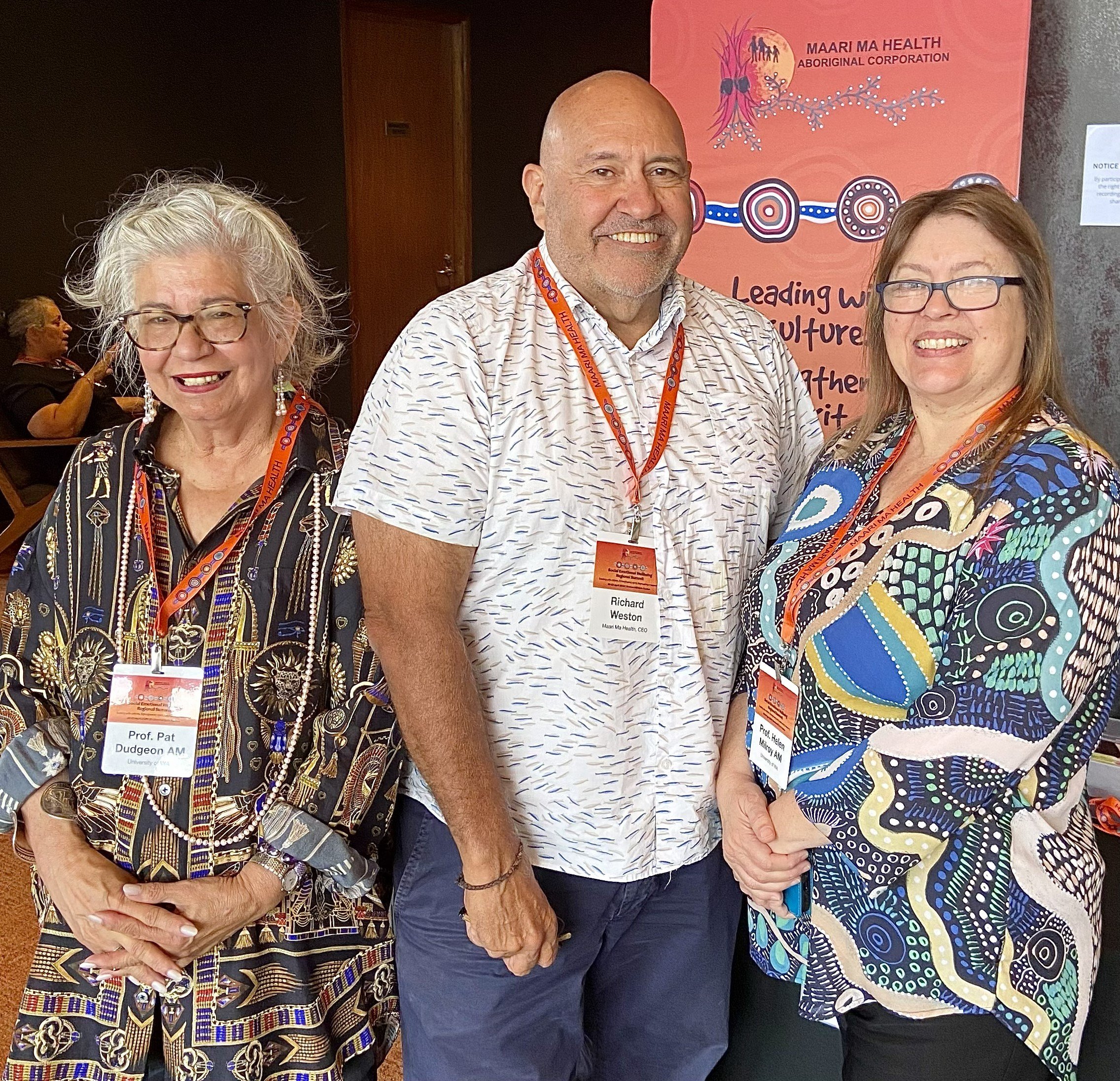
Professor Pat Dudgeon (UWA), Richard Weston (Maari Ma Health CEO), and Professor Helen Milroy
Otitis media has a high prevalence in childhood, and grommet insertion is the most common surgical treatment for OM. The public health system in Australia faces considerable strains, including high demand for Ear, Nose and Throat specialists. Extending the scope of practice for audiologists to manage post-operative care for children receiving grommets has the potential to alleviate this burden.
A register which stores demographic and clinical data on all patients attending the diabetes clinic at Princess Margaret Hospital
To calculate the birth prevalence of CP after ART and compare the clinical outcomes of children with CP after ART or natural conception.