
Search
Showing results for "Childhood interstitial lung disease "
Coronavirus disease 2019 (COVID-19) is an extremely contagious illness caused by severe acute respiratory syndrome coronavirus 2 (SARS-CoV-2). Early disease recognition of COVID-19 is crucial not only for prompt diagnosis and treatment of the patients, but also for effective public health surveillance and response.
Dengue is the most common arboviral disease in the tropical and sub-tropical regions of the world. Like other regions, dengue-endemic areas have faced the additional public health and socio-economic impact of the ongoing coronavirus disease 2019 (COVID-19) pandemic.

Postdoctoral Research Fellow / Epidemiologist
Early childhood is increasingly recognised as a critical time for the development of executive function.

A picture of early childhood services in Tasmania from birth to age five
Although essential for overall health and wellbeing, little is known about skin health in urban-living Australian Aboriginal children. This co-designed, research-service project aimed to describe skin health and document skin disease frequency in urban-living Aboriginal children and young people in Western Australia and investigate housing associations for skin infections.
Chronic suppurative otitis media (CSOM), sometimes referred to as chronic otitis media, is a chronic inflammation and often polymicrobial infection (involving more than one micro-organism) of the middle ear and mastoid cavity, characterised by ear discharge (otorrhoea) through a perforated tympanic membrane.
Medulloblastoma is curable in approximately 70 % of patients. Over the past decade, progress in improving survival using conventional therapies has stalled...
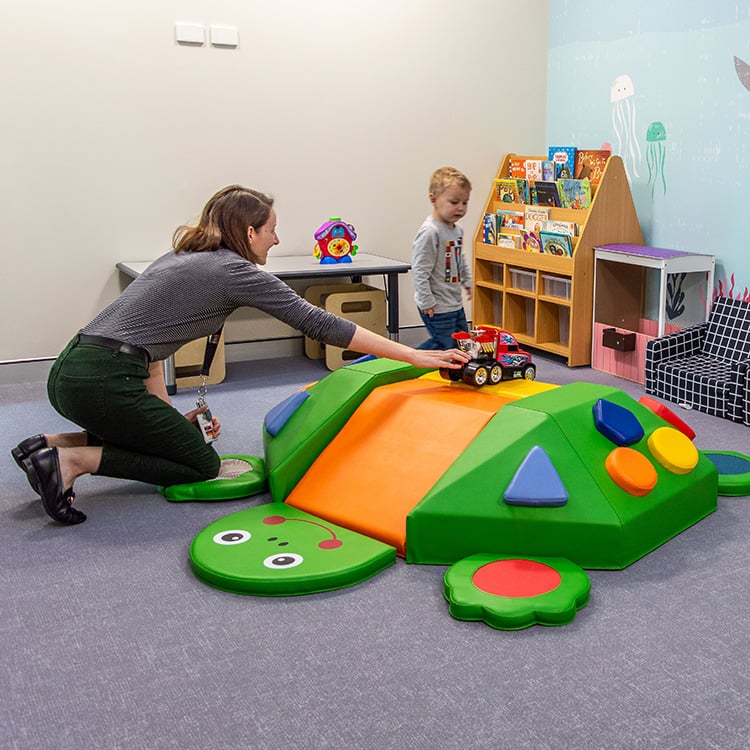
Find out how to access services at CliniKids.
Countries that mandate childhood vaccination without providing no fault compensation schemes could be seen as abrogating the social contract