
Search
Showing results for "early lung health"
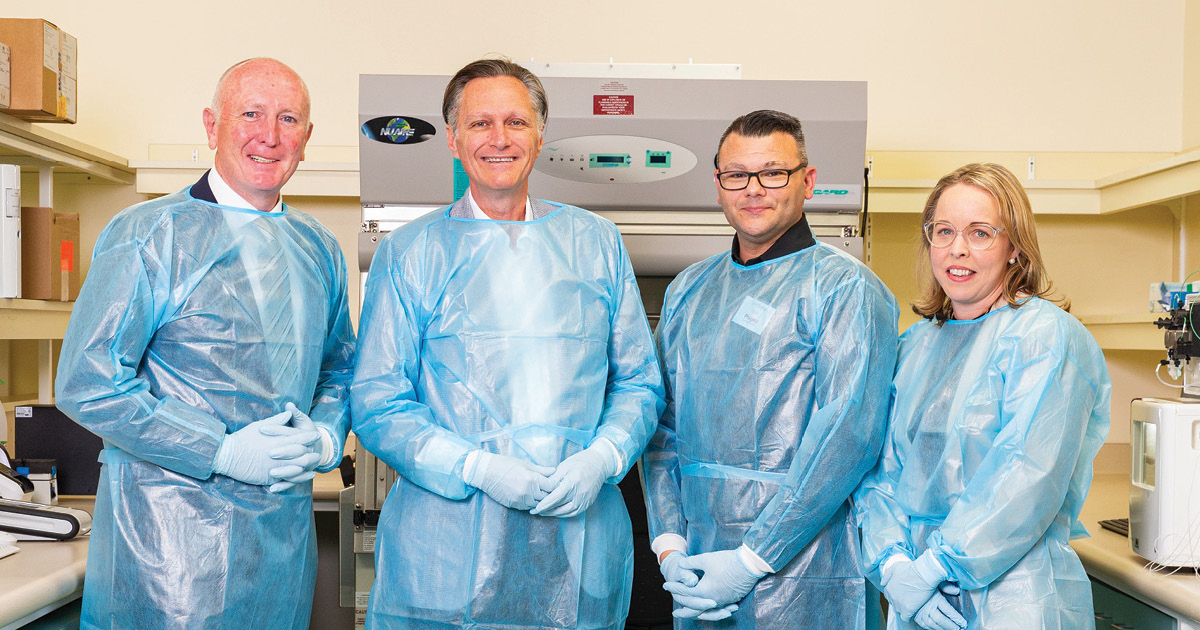
Western Australia’s first bacteriophage manufacturing facility has been opened in a significant development that brings patients battling antibiotic-resistant infections a step closer to life-saving phage therapy.
Wheezing and asthma exacerbations are leading causes of pediatric hospital admissions. Predicting which children will experience persistent exacerbations remains challenging. Prior research has identified immune endotypes in the nasal epithelium of children with acute asthma and wheezing, characterized by varying balances of interferons and inflammatory markers. Notably, children exhibiting low interferon responses coupled with high inflammation are at an increased risk for recurrent respiratory exacerbations.
Recurrent acute otitis media (AOM), frequently caused by Streptococcus pneumoniae, is a major paediatric health problem.
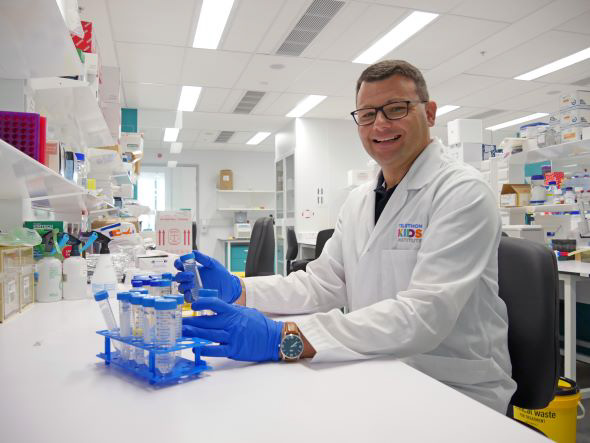
Nearly 50 existing prescription medications already used by Australians will be tested by new research in the fight against COVID’s mutant variants.

Research Officer
Here we summarise some recent research using the AEDI data and show how the Fraser Mustard Centre is using such research to help inform policy-makers.

Consultation appointments are one-off clinical appointments to discuss the best next steps for supporting children’s strengths and support needs. These sessions are available for families and professionals.
Listening to children and families about what is important to them when visiting Child Development Services (CDS) can provide valuable insights.
Physical activity is essential for children’s healthy development, yet COVID-19 physical distancing restrictions such as school closures and staying at home, playground closures, and the cancelling of organised community sport have dramatically altered children’s opportunities to be physically active. This study describes changes in levels of physical activity and screen time from February 2020 (i.e., before COVID-19 restrictions were introduced in Western Australia) to May 2020 (i.e., when COVID-19 restrictions were in place). Parents of children aged 5 to 9 years from Western Australia were eligible to participate and recruited through convenience sampling.
To investigate the association between energy drink (ED) use and sleep-related disturbances in a population-based sample of young adults from the Raine Study.