
Search
Showing results for "mental health aboriginal"
Research by The Kids Research Institute Australia shows a link between low vitamin D during pregnancy and post-natal depression.
Read about Biostatistician Grant Smith at the Children's Diabetes Centre.
We examined the relationship between a maternal alcohol-use diagnosis, and the timing of diagnosis, and child protection outcomes in a Western Australian population cohort.
We examined the relationship between a maternal alcohol-use diagnosis, and the timing of diagnosis, and child protection outcomes in a WA population cohort.
The high burden of infectious disease and associated antimicrobial use likely contribute to the emergence of antimicrobial resistance in remote Australian Aboriginal communities. We aimed to develop and apply context-specific tools to audit antimicrobial use in the remote primary healthcare setting.
Group A Streptococcus (GAS) causes pharyngitis (sore throat) and impetigo (skin sores) GAS pharyngitis triggers rheumatic fever (RF) with epidemiological evidence supporting that GAS impetigo may also trigger RF in Australian Aboriginal children. Understanding the concurrent burden of these superficial GAS infections is critical to RF prevention. This pilot study aimed to trial tools for concurrent surveillance of sore throats and skins sore for contemporary studies of RF pathogenesis including development of a sore throat checklist for Aboriginal families and pharynx photography.
Outdoor play in the home yard is an important source of physical activity for many preschoolers. This study investigated if home yard size and vegetation are related to preschooler outdoor play time.
We examined the moderating effects of parent perceptions of the neighbourhood environment on associations between objectively measured neighbourhood environment attributes and physical activity among pre-schoolers. The number of neighbourhood parks was positively associated with pre-schooler energetic play when parents had above average perceptions of access to services.
The aim of this review was to investigate the impact of short message service (SMS)-based interventions on childhood and adolescent vaccine coverage and timeliness.
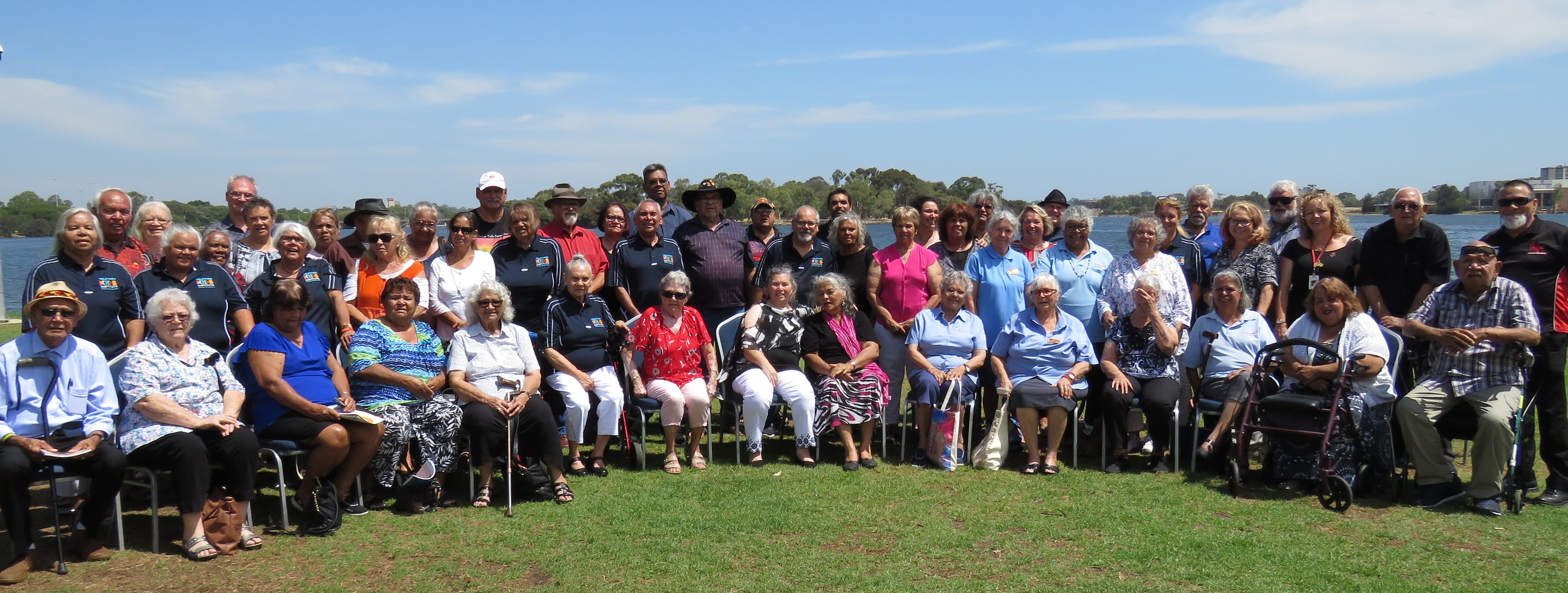
Community engagement for the Ngulluk Koolunga Ngulluk Koort (Our Children, Our Heart) Project.