
Search
Showing results for "autism"
Opportunity to join the Autism Research Team as a Senior Research Officer
Research Office Coordinator required to provide operational, strategic and administrative support to Professor Andrew Whitehouse in Perth
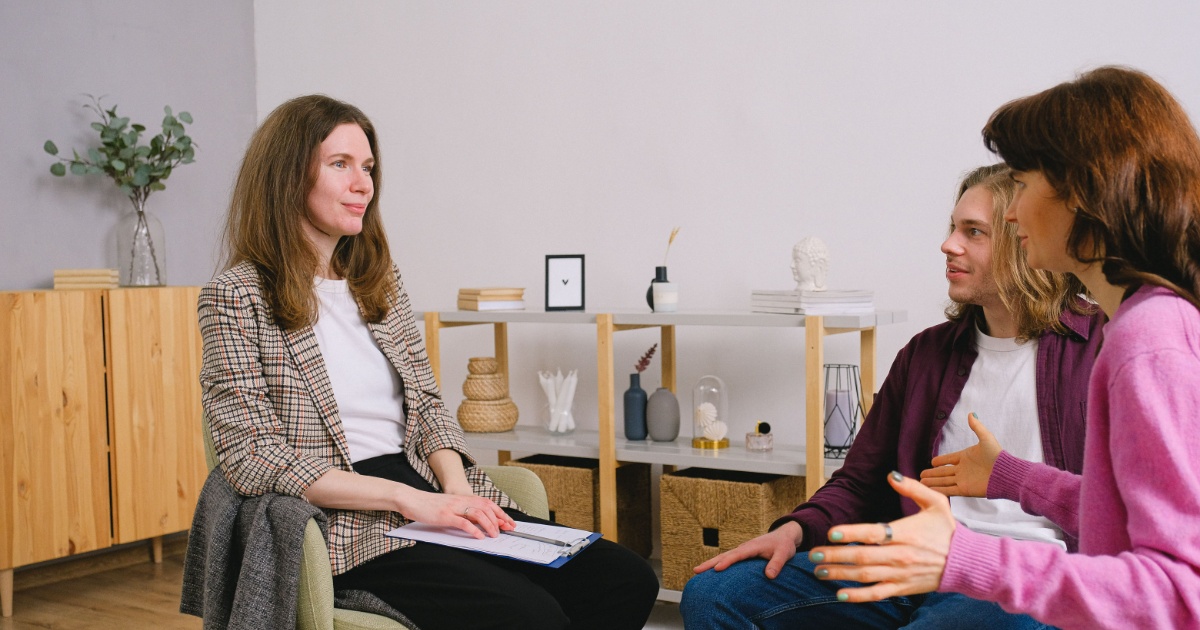
Empower-Autism is an online support program for parents and carers of children recently diagnosed as autistic.
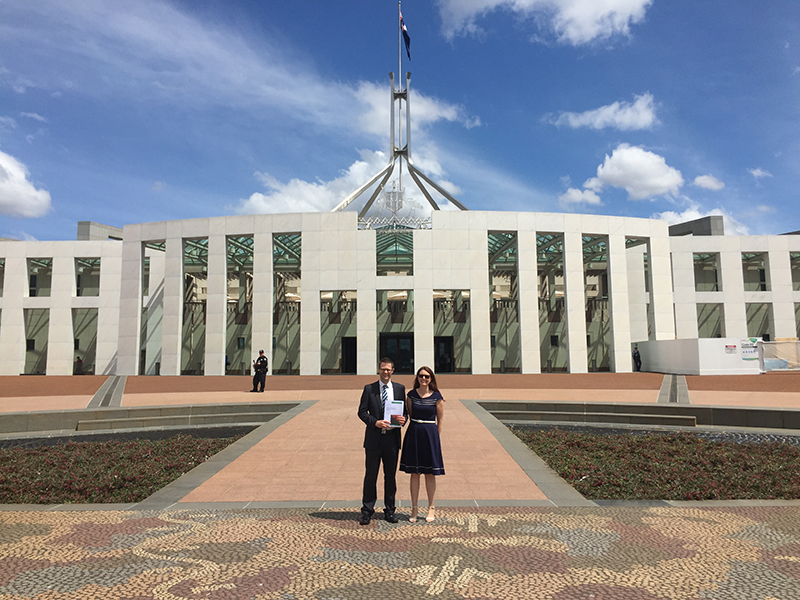
Researchers from The Kids Research Institute Australia, working with the Autism CRC, have led the development of the National Guideline for the Assessment and Diagnosis of Autism Spectrum Disorder in Australia which was launched today.
This study aims to investigate the cellular and molecular profiles of the immune system in infants at high/low risk for Autism, as determined through clinical assessment.

For children with Austin Spectrum Disorder (ASD), it can be hard to enjoy the simple pleasures of art, but the development of an ASD guide is helping to share the wonders of art with all.
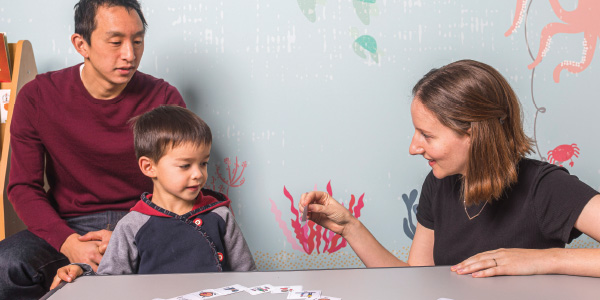
A long-held belief linking gut bacteria to autism has been debunked by an Australian research team that included researchers from CliniKids at The Kids Research Institute Australia.
This study suggests that low Apgar score is associated with higher risk of autism spectrum disorder, and in particular autistic disorder
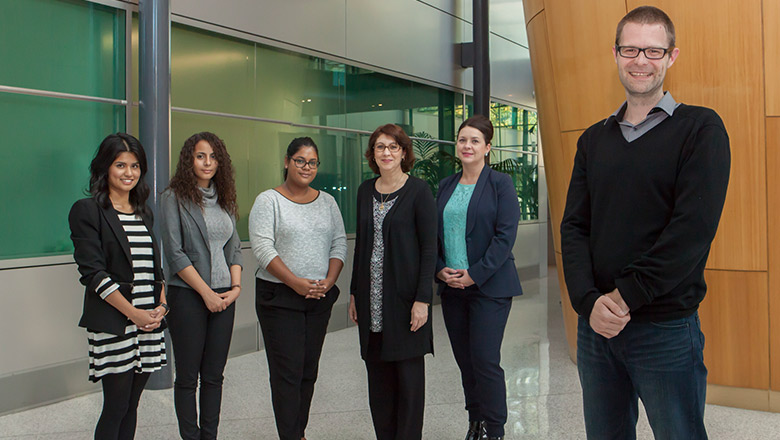
Focussing attention on a child’s first year of life is proving to be a major breakthrough in autism research.
Join Dr Andrew Whitehouse, head of Developmental Disorders research at The Kids, as he shares with you his vision for autism research.