
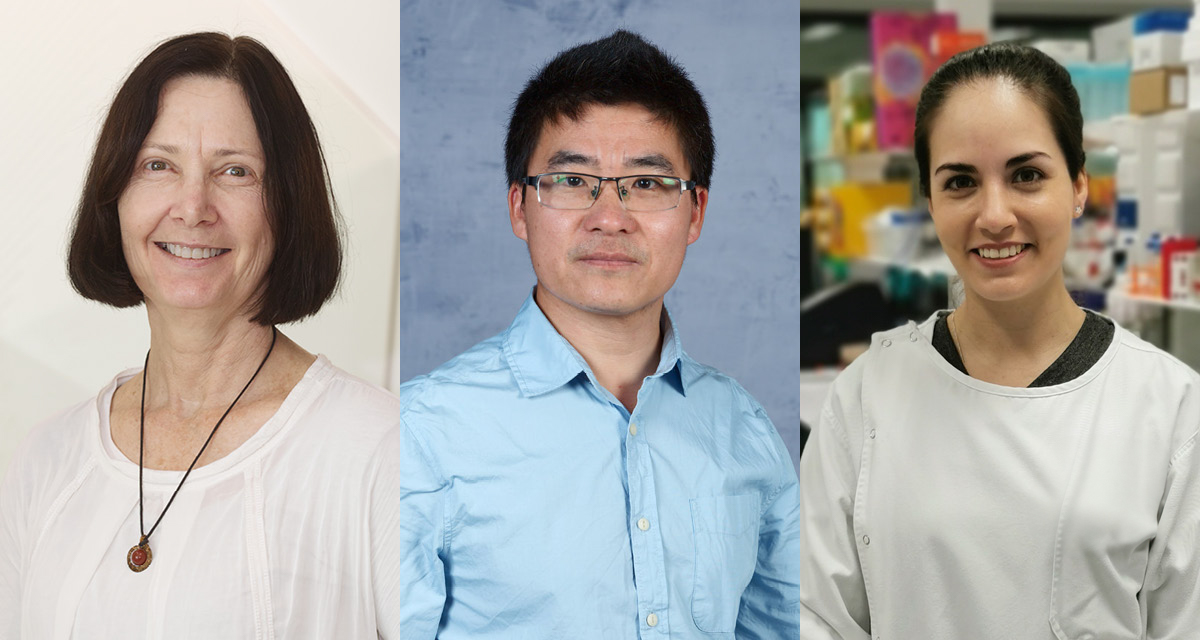
One of the researchers who helped crack the code of 10-year-old Northam girl Charlotte Patterson’s incredibly rare disease has received State Governm…
Genetic diagnosis plays a crucial role in rare diseases, particularly with the increasing availability of emerging and accessible treatments. The Int…
An estimated 3.5%-5.9% of the global population live with rare diseases, and approximately 80% of these diseases have a genetic cause. Rare genetic d…
The diagnostic odyssey for people living with rare diseases (PLWRD) is often prolonged for myriad reasons including an initial failure to consider ra…
Addressing the recognized challenges and inequalities in providing high quality healthcare for rare diseases such as children's interstitial lung dis…

Research projects sharing in a $2.1 million funding boost will seek to translate research findings into changes that benefit patients and help the he…
We present the case of a prepubescent man of African descent who developed a spitzoid melanocytic proliferation showing evidence of a novel promoter…