
Search
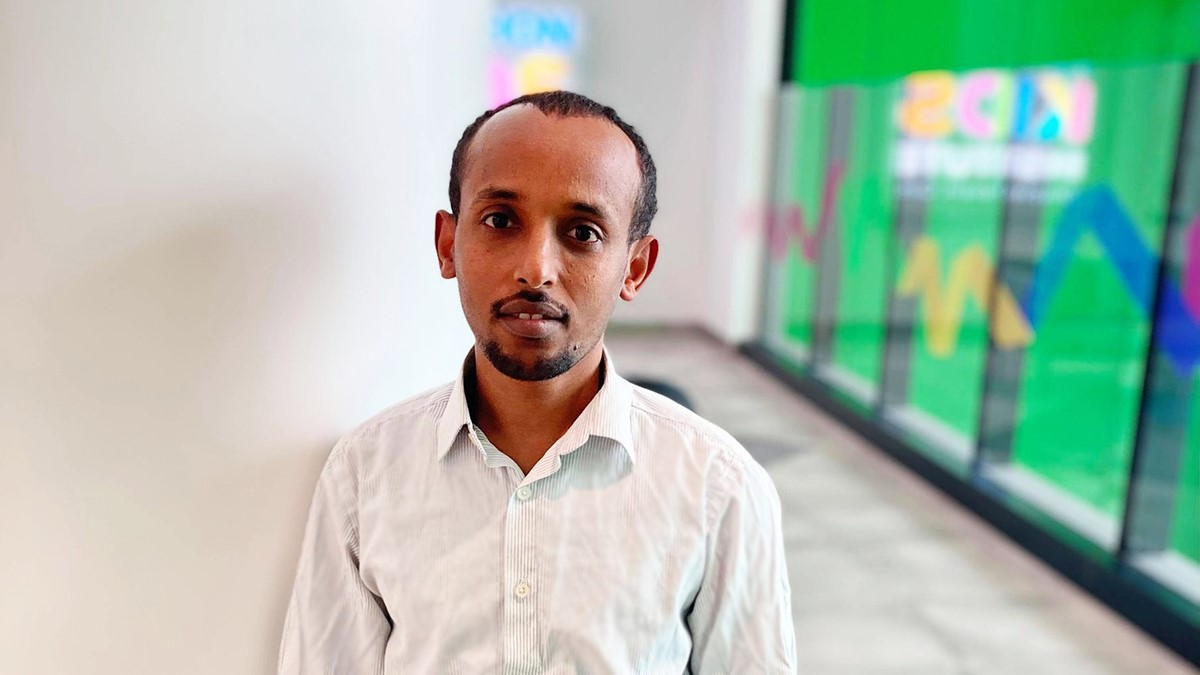
A regional corner of Africa is a hotspot for cases of HIV, tuberculosis and malaria, prompting researchers to call for targeted health support rather than a national response.
This systematic review aimed to analyse the performance of the Integrated Disease Surveillance and Response strategy in Sub-Saharan Africa and how its implementation has embraced advancement in information technology, big data analytics techniques and wealth of data sources.
HIV, tuberculosis (TB) and malaria are the three most important infectious diseases in Ethiopia, and sub-Saharan Africa. Understanding the spatial codistribution of these diseases is critical for designing geographically targeted and integrated disease control programmes. This study investigated the spatial overlap and drivers of HIV, TB and malaria prevalence in Ethiopia.
Nipah virus is a zoonotic paramyxovirus responsible for disease outbreaks with high fatality rates in south and southeast Asia. However, knowledge of the potential geographical extent and risk patterns of the virus is poor. We aimed to establish an integrated spatiotemporal and phylogenetic database of Nipah virus infections in humans and animals across south and southeast Asia.
Malaria risk maps are crucial for controlling and eliminating malaria by identifying areas of varying transmission risk. In the Greater Mekong Subregion, these maps guide interventions and resource allocation. This article focuses on analysing changes in malaria transmission and developing fine-scale risk maps using five years of routine surveillance data in Laos (2017-2021). The study employed data from 1160 geolocated health facilities in Laos, along with high-resolution environmental data.
Urbanization combined with climate change are exacerbating water scarcity for an increasing number of the world’s emerging cities. Water and sanitation infrastructure, which in the first place was largely built to cater only to a small subsector of developing city populations, is increasingly coming under excessive strain.
An estimated 14 million cases of Plasmodium vivax malaria were reported from Asia, Central and South America, and the Horn of Africa. The clinical burden of vivax malaria is largely driven by its ability to form dormant liver stages (hypnozoites) that can reactivate to cause recurrent episodes of malaria. Elimination of both the blood and liver stages of the parasites ("radical cure") is required to achieve a sustained clinical response and prevent ongoing transmission of the parasite.
Health Management Information System (HMIS) is a set of data regularly collected at health care facilities to meet the needs of statistics on health services. This study aimed to determine the utilisation of HMIS data and factors influencing the health system's performance at the district and primary health care facility levels in Tanzania.
The human landing catch (HLC) measures human exposure to mosquito bites and evaluates the efficacy of vector control tools. However, it may expose volunteers to potentially infected mosquitoes. The mosquito electrocuting trap (MET) and BG-Sentinel traps (BGS) represent alternative, exposure-free methods for sampling host-seeking mosquitoes. This study investigates whether these methods can be effectively used as alternatives to HLC for measuring the efficacy of transfluthrin emanator against Aedes aegypti.
Insecticide-treated nets (ITNs) are one of the most widespread and impactful malaria interventions in Africa, yet a spatially-resolved time series of ITN coverage has never been published. Using data from multiple sources, we generate high-resolution maps of ITN access, use, and nets-per-capita annually from 2000 to 2020 across the 40 highest-burden African countries.