
Search
Showing results for "aboriginal respiratory"
The NATSISPEP will formally evaluate a range of existing Indigenous suicide prevention programs and services to develop an evidence base for 'what works'.
Learn how research with Aboriginal communities is saving young hearts across Australia.
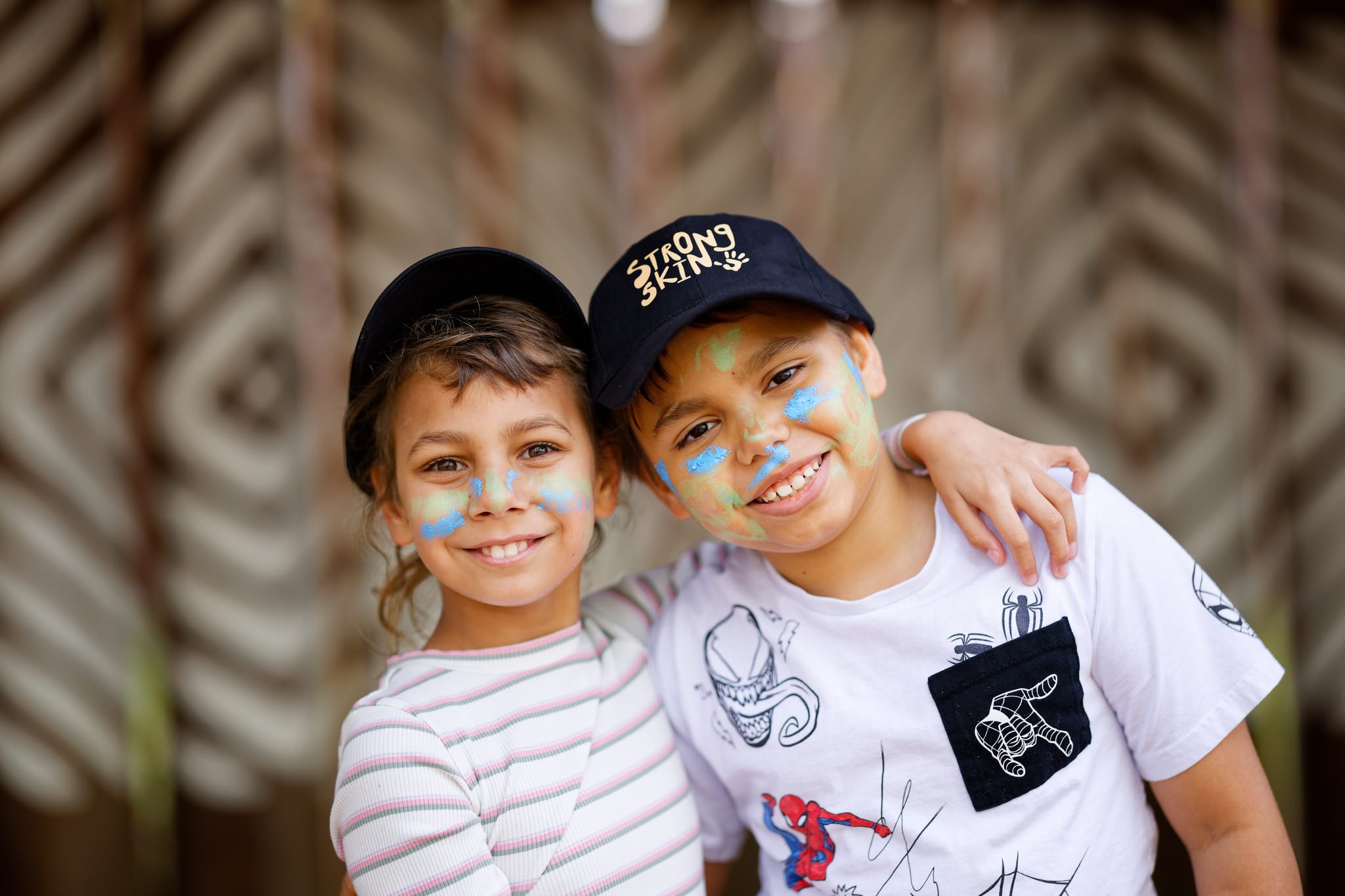
Efforts to improve health outcomes for Aboriginal children have been accelerated thanks to almost $1 million in National Health and Medical Research Council (NHMRC) funds awarded to skin health researchers at The Kids Research Institute Australia.
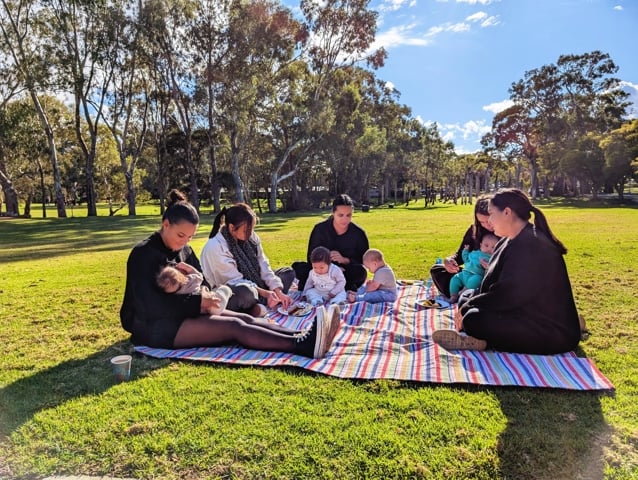
A group of 19 Aboriginal women from South Australia, along with researchers from The Kids Research Institute Australia, have developed a culturally responsive, evidence-based model of care to support Aboriginal women with cardiometabolic complications in pregnancy in SA.
There remains a glaring disparity between the health of an Australian Aboriginal child when compared with that of a non-Aboriginal Australian child. In recent years, studies have advocated for the adoption of culturally sensitive health care provision if significant improvements are to be made in the health of Australian Aboriginal children.
Establishing a genomic reference for Australian Aboriginal populations
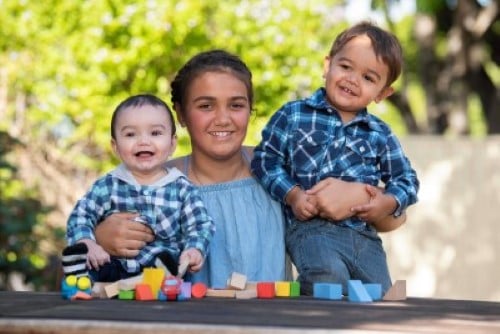
A new partnership between The Kids Research Institute Australia, Dr George Sim and St John of God Murdoch Hospital will offer essential surgery at no cost for a group of Aboriginal children suffering severe ear infections.
Winning the support of a remote Aboriginal community paved the way for a pioneering genetics study.
Human genetic research promises to deliver a range of health benefits to the population. Here we consider how the different levels of Indigenous research...

We are looking for Aboriginal parents who are passionate about lung health to join the Aboriginal Advisory Committee (AAC) for our Kids Easy Breathing Study (KEBS). Research shows 1 in 5 Aboriginal* bubs in hospital for bronchiolitis (a common viral chest infection) later had serious damage to their lungs. The aim of our study is to find out why Aboriginal bubbies are more likely to develop long-term lung sickness.