
Search
Showing results for "mental health aboriginal"

The Kids Research Institute Australia researchers have been awarded $5.3 million in prestigious Investigator Grants from the National Health and Medical Research Council
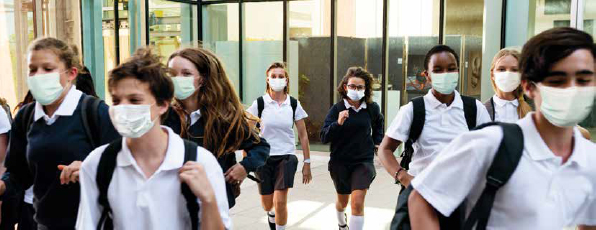
The Kids Research Institute Australia researchers went into 79 WA primary and secondary schools in 2020.

A state-wide survey conducted by The Kids Research Institute Australia researchers has found there are significant benefits to offering youth mental health treatment via telehealth services.

Bushfires can have a considerable impact on our physical and mental health, with some symptoms lasting long after the blaze is extinguished. And our children are amongst the most vulnerable.
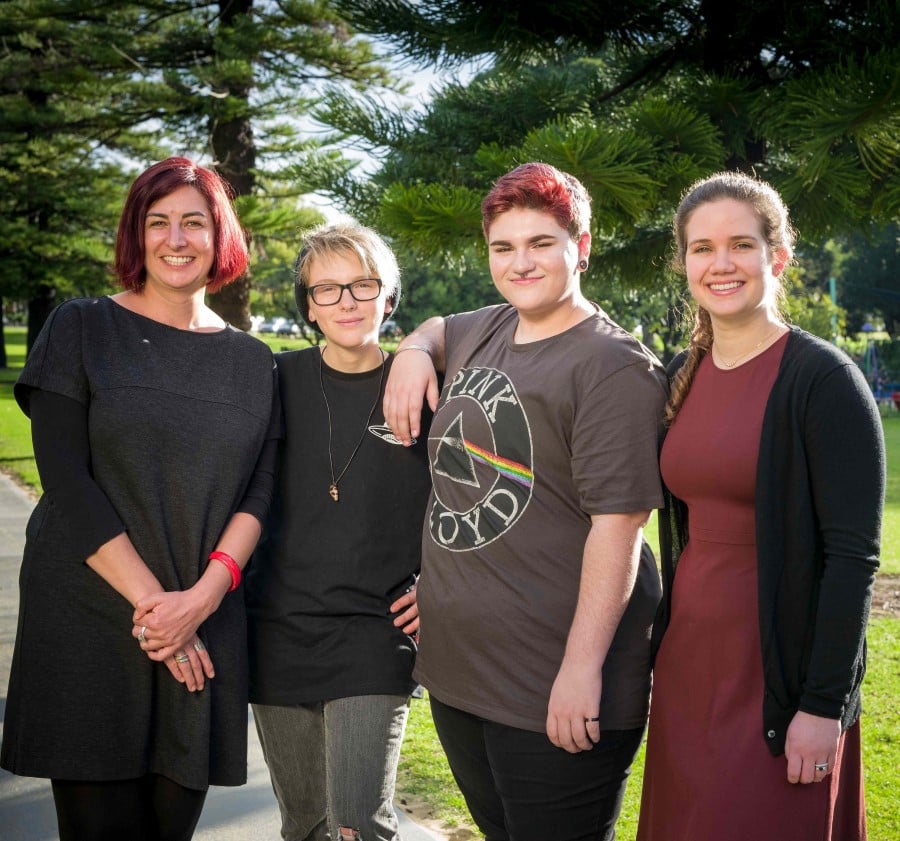
A ground-breaking survey by The Kids researchers has become the new reference point to guide policy change and educate health providers to better support trans and gender-diverse youth in Australia.

The Kids Research Institute Australia researchers have found a strong link between excessive internet use and increased levels of psychological distress, including suicidal t
Variety of foods at breakfast linked with better mental health for teens
Irritability is a common trait seen in children. While expressions of irritability are part of normal development, servere irritability is a known indicator of child and adolescent mental health problems.
We aimed to elucidate the longitudinal relationship between dietary patterns, adiposity, inflammation and mental health in a population of adolescents.
This study describes the peer bullying experiences of young people with CF, and examines associations between school bullying and the psychological well-being of these young people