
Search
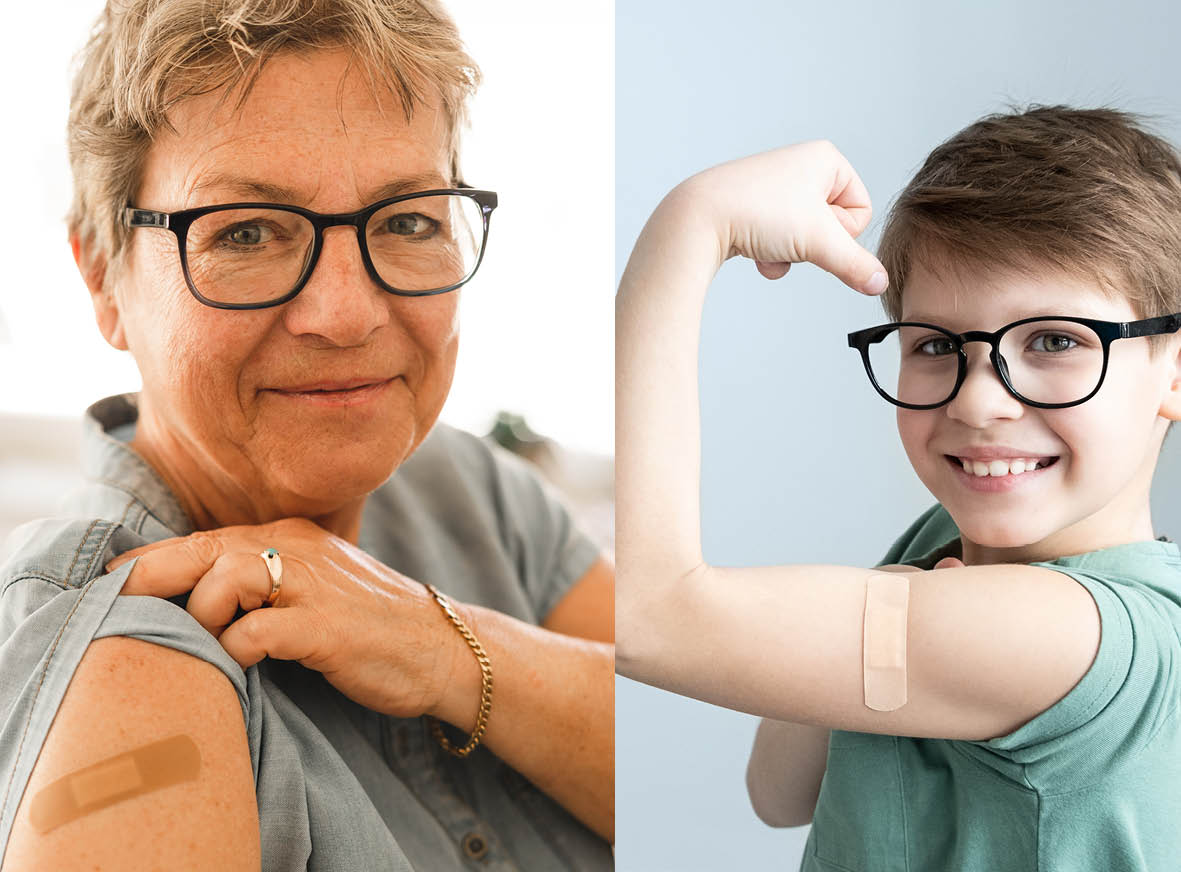
Optimising our national Covid-19 vaccine program could be one step closer thanks to new research now underway at The Kids Research Institute Australia investigating the most effective, long-term strategies for booster vaccinations.
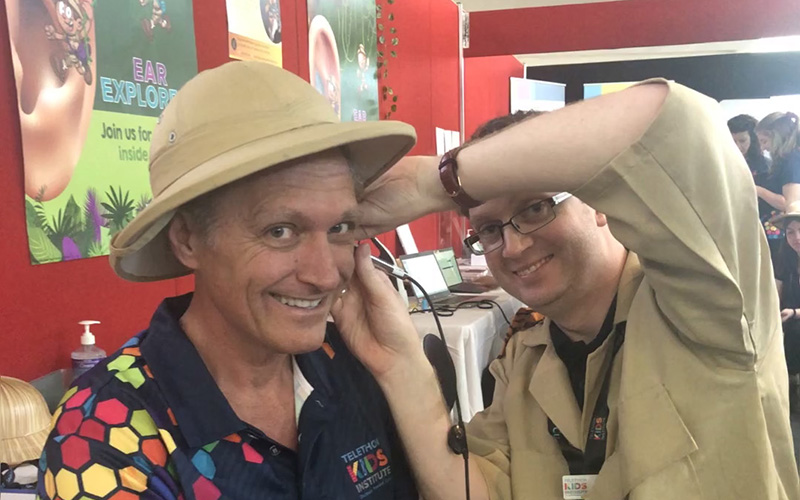
Findings from The Kids Research Institute Australia’s ‘Ear Explorers’ real-life research project undertaken as part of the 2019 Telethon weekend, found short videos were more helpful than photos when making a diagnosis.

With COVID-19 being a major issue this year, is it still important to have a flu vaccine? And why have school aged children been included for a free vaccine?
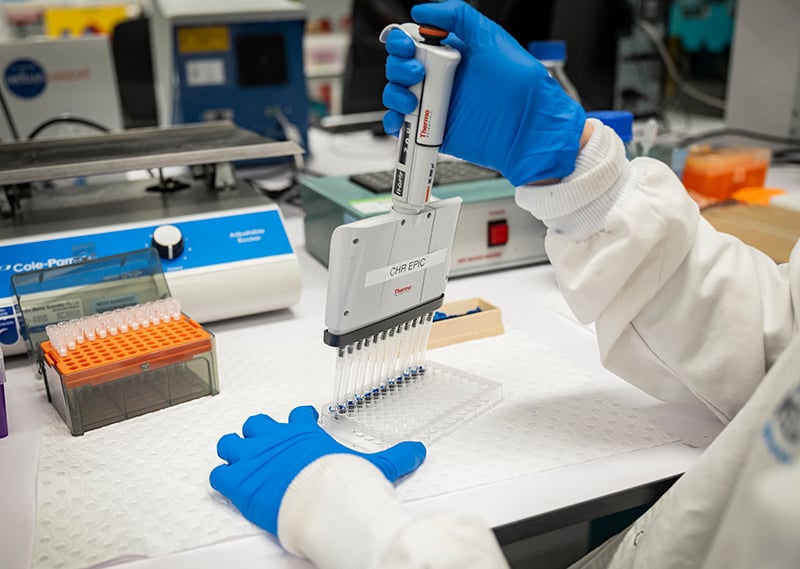
At least 2,000 WA healthcare workers will help test whether an existing tuberculosis vaccine can reduce their chance of COVID-19 infection, lessen the severity of symptoms and boost immunity.
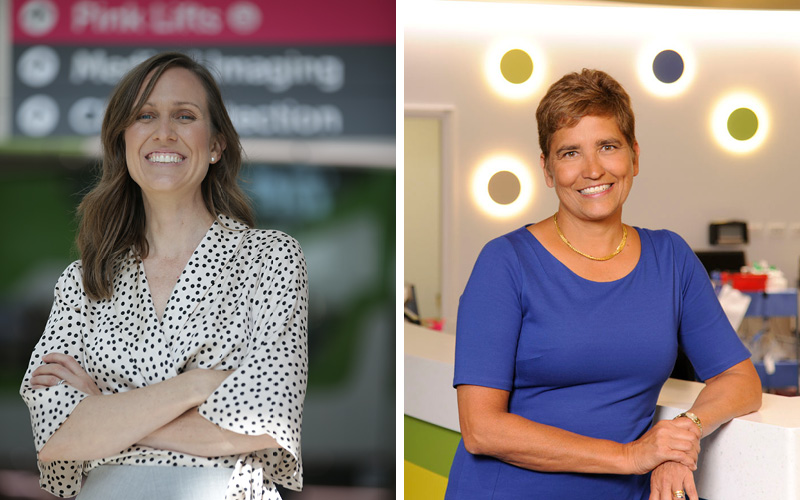
Many parents may be feeling anxious and confused about what COVID-19 means for pregnant women, babies and children.

A dose of the whooping cough vaccine might reduce cases of childhood food allergies according to latest research by the Wesfarmers Centre of Vaccines and Infectious Diseases based at The Kids Research Institute Australia.
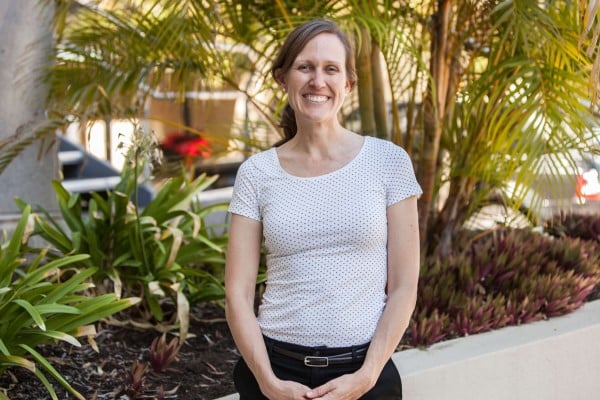
One of Australia’s leading infectious disease experts, Associate Professor Asha Bowen, has been announced as a finalist for the country’s leading national science awards – the Australian Museum Eureka Prizes.

Australia’s first needle-free, gene-based COVID-19 vaccine study will be spear-headed in WA by The Kids Research Institute Australia thanks to almost $6 million in Coronavirus Research Response funding announced by Health Minister Greg Hunt.
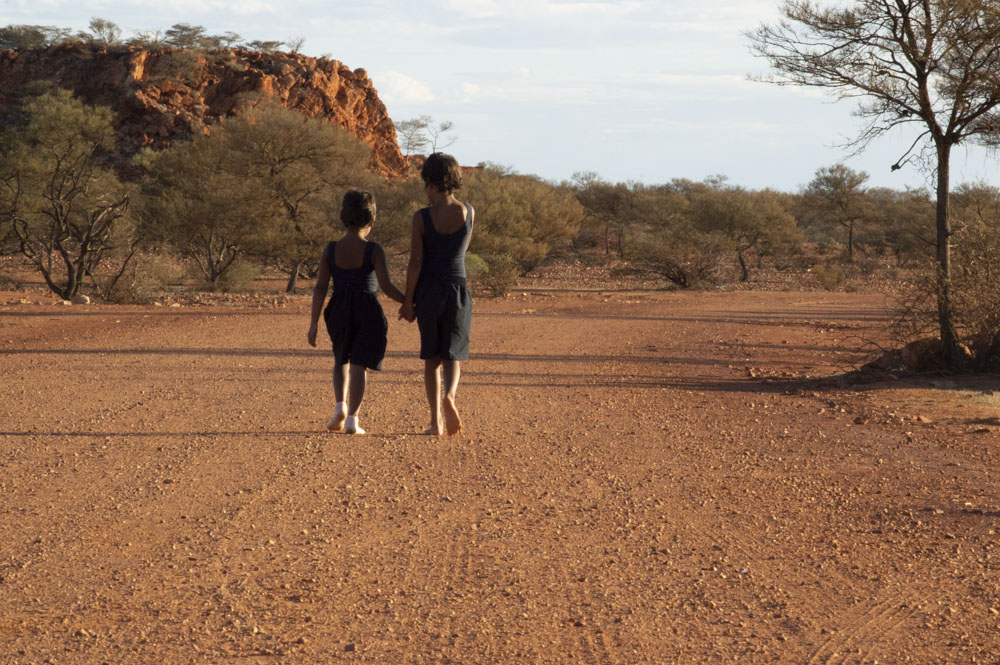
Children at risk of potentially life-threatening Strep A infections no longer have to wait five days for timely treatment, thanks to a The Kids Research Institute Australia study conducted in the remote Kimberley region of Western Australia.
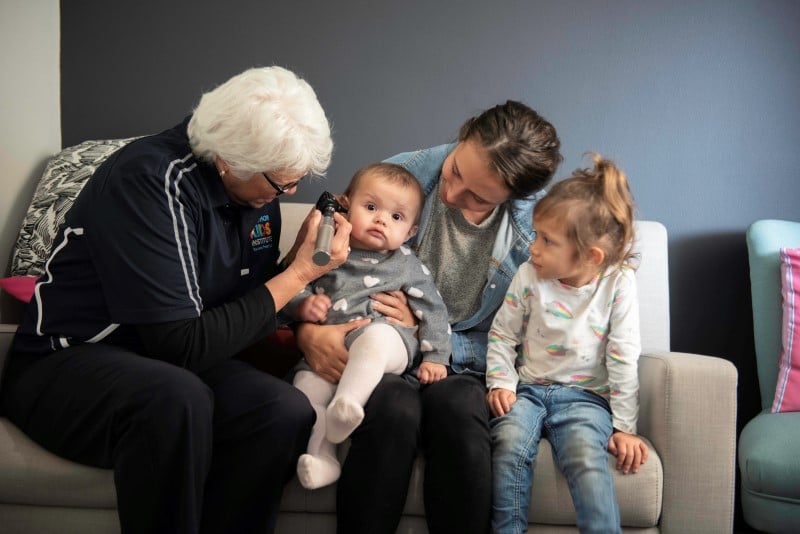
The Wesfarmers Centre of Vaccines and Infectious Diseases has appointed Mrs Valerie Swift to a newly created Aboriginal Cultural Guidance Advisor position.