
Search
Showing results for "aboriginal respiratory"
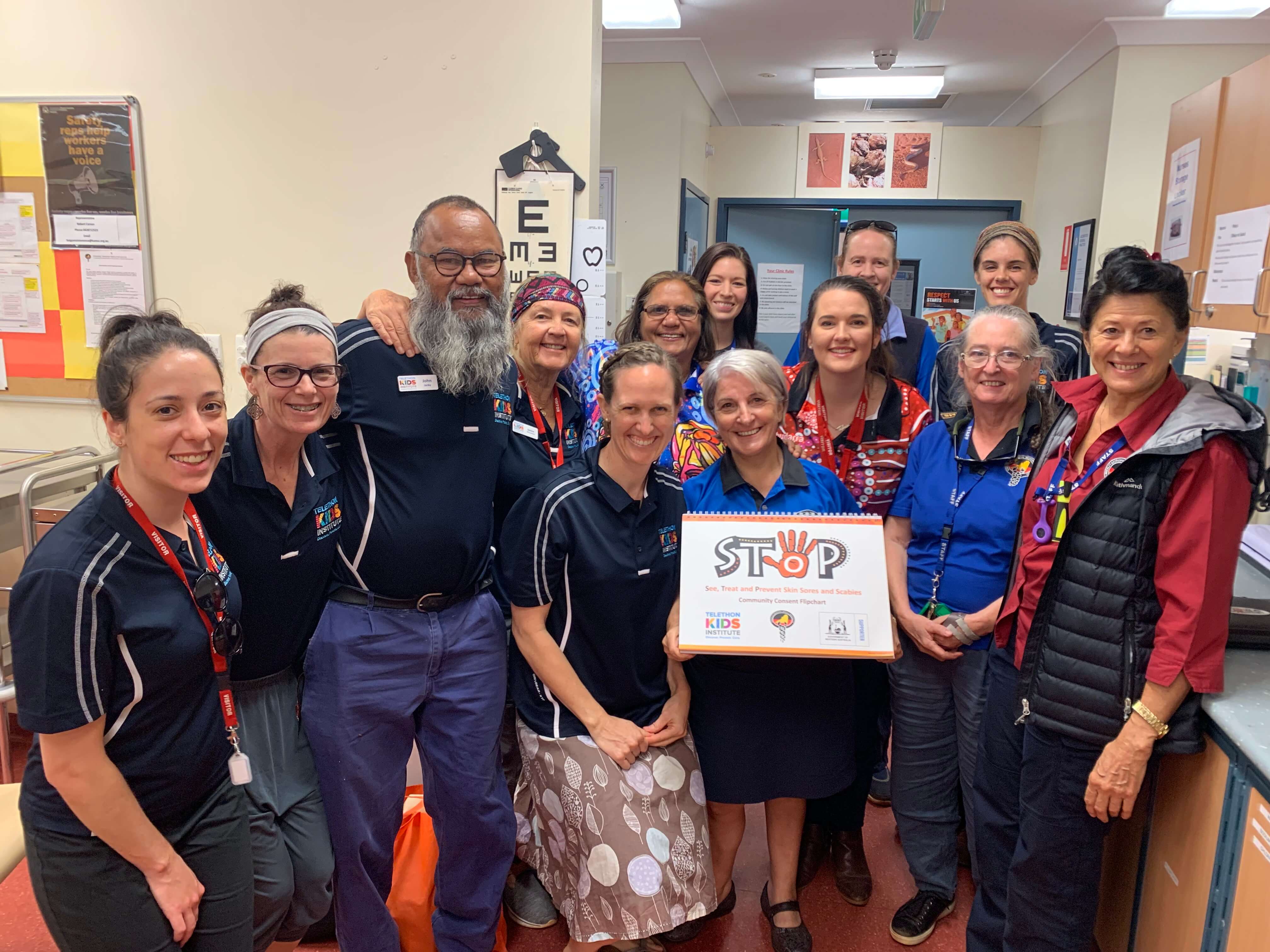
Six weeks, nine community visits and 380 kids – it’s a wrap for round one of the StoP Trial!
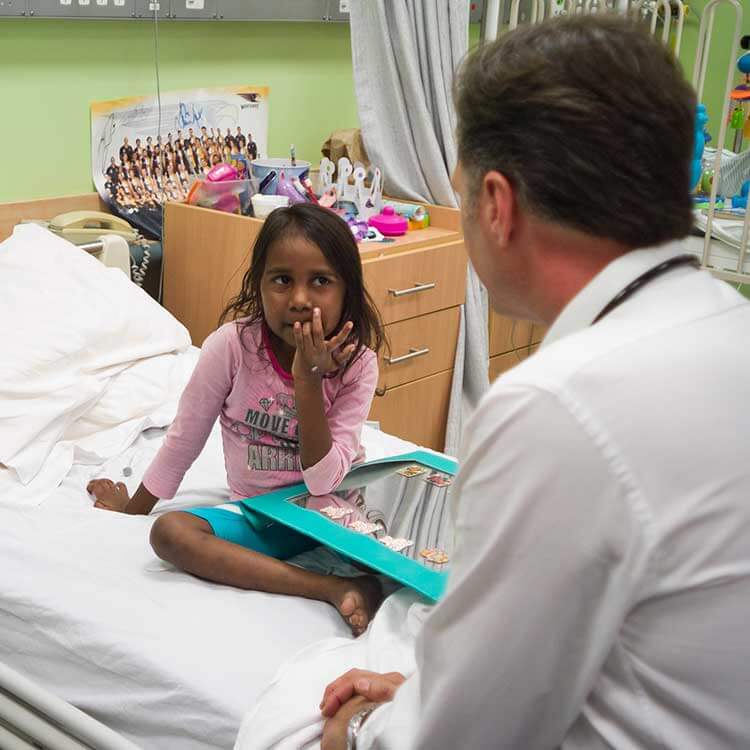
Researchers at The Kids Research Institute Australia say Group A Streptococcus should become a nationally notifiable disease in Australia.
Researchers from Perth's Telethon Institute for Child Health Research will lead a comprehensive national survey of the mental health of Australia's children.
Amy Carol Finlay-Jones Bower BPsych(Hons), MPsych(Clinical), MHealthEcon, PhD (Clin Psych) MBBS MSc PhD FAFPHM DLSHTM FPHA Head, Early
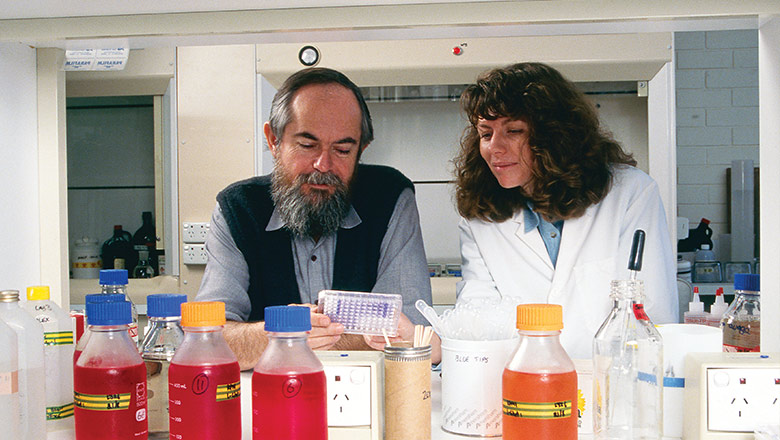
Findings by Professor Pat Holt revealed researchers had been heading down the wrong path in their battle strategy against respiratory allergy and asthma.
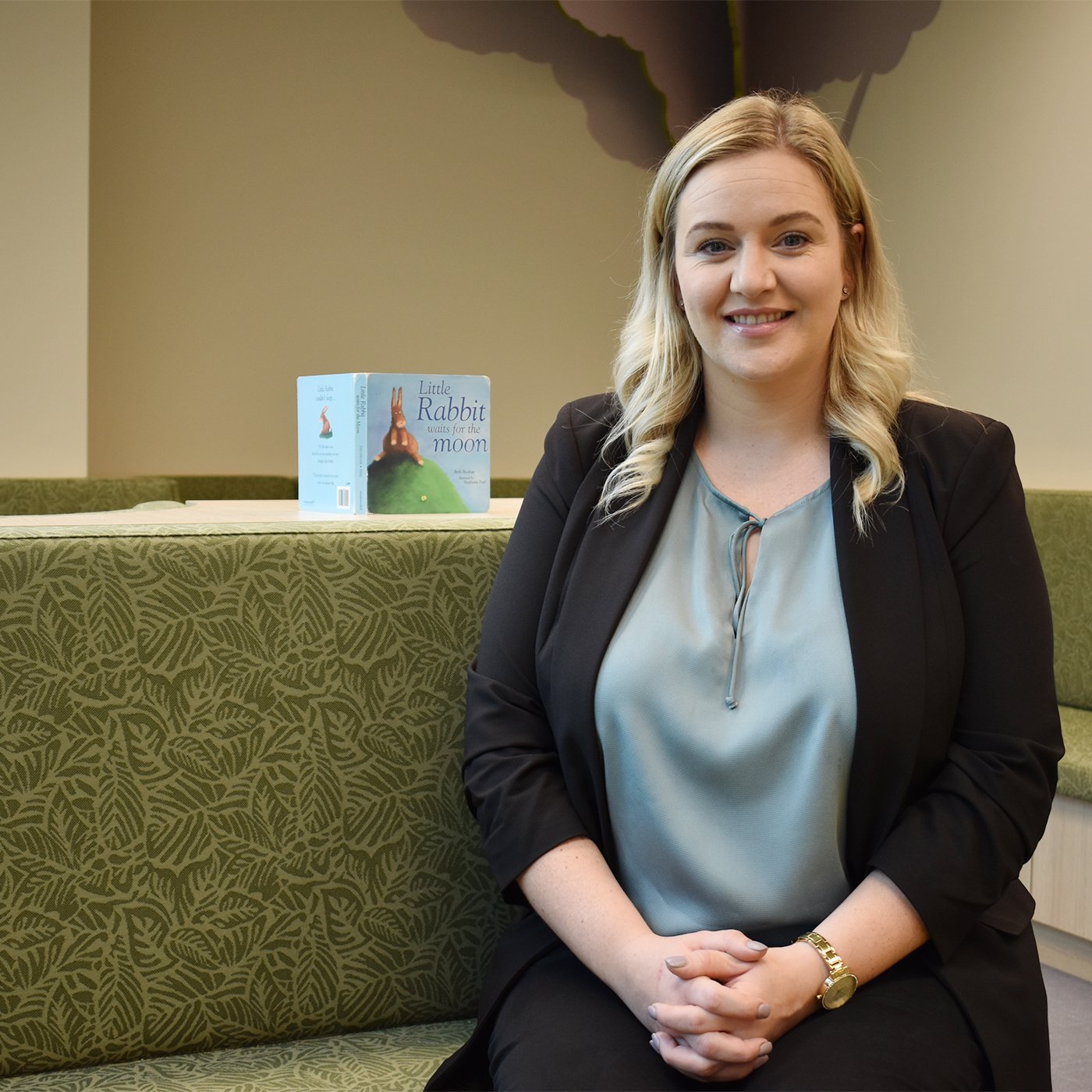
Meet Leah – the latest addition to the CliniKids team. We asked Leah, our new Operations Manager, a couple of questions to get to know her.
Rheumatic heart disease, a major cause of morbidity and mortality in low- and middle-income countries, results from acute rheumatic fever (ARF), for which no diagnostic test currently exists. The ARF Diagnosis Collaborative Network (ARC Network) was established to address this gap by recruiting a rigorously phenotyped, globally representative cohort of children and adolescents with ARF and controls to support biomarker discovery.
International guidelines recommend multidisciplinary intervention programs for addressing childhood obesity. In Western Australia, community-based healthy lifestyle programs for children and young people are insufficient for demand, especially for those over-represented in obesity statistics relating to prevalence. This protocol outlines the implementation and evaluation of an adapted, evidenced, community-based program in Perth, Western Australia.
Older people with cognitive impairment are unrepresented in clinical research. Our objective was to review evidence for strategies to support their research inclusion and participation.
Staphylococcus aureus bloodstream infection is traditionally treated with at least 2 weeks of intravenous antibiotics in adults, 3-7 days in children, and often longer for those with complicated disease. The current practice of treating S. aureus bacteremia with prolonged IV antibiotics (rather than oral antibiotics) is based on historical observational research and expert opinion. Prolonged IV antibiotic therapy has significant disadvantages for patients and healthcare systems, and there is growing interest in whether a switch to oral antibiotics following an initial period of IV therapy is a safe alternative for clinically stable patients.