
Search
Showing results for "vitamin d asthma"
Globally, rates of children with physical and mental health problems are increasing. Health issues in early childhood often persist into adulthood, highlighting the need to ensure children are supported to flourish from the start of life.
Amy Andrew Carol Deborah Gail Helen Jenny Kandice Martyn Videos Finlay-Jones Whitehouse Watch and listen to Andrew Bower Strickland Alvares Leonard
At The Kids our greatest asset is our people. We are strongly invested in the future of child medical research welcoming, nurturing, and encouraging the best and most innovative Australian and international researchers.
A wet cough in a child for more than four weeks could indicate infection in the lungs. The wet cough is caused by mucus in the airway. The mucus becomes infected with bacteria and causes airway inflammation that can progress to permanent lung damage known as bronchiectasis.
This project aims to better understand the early genetic and environmental factors that the developing brain during a child’s first five years of life.
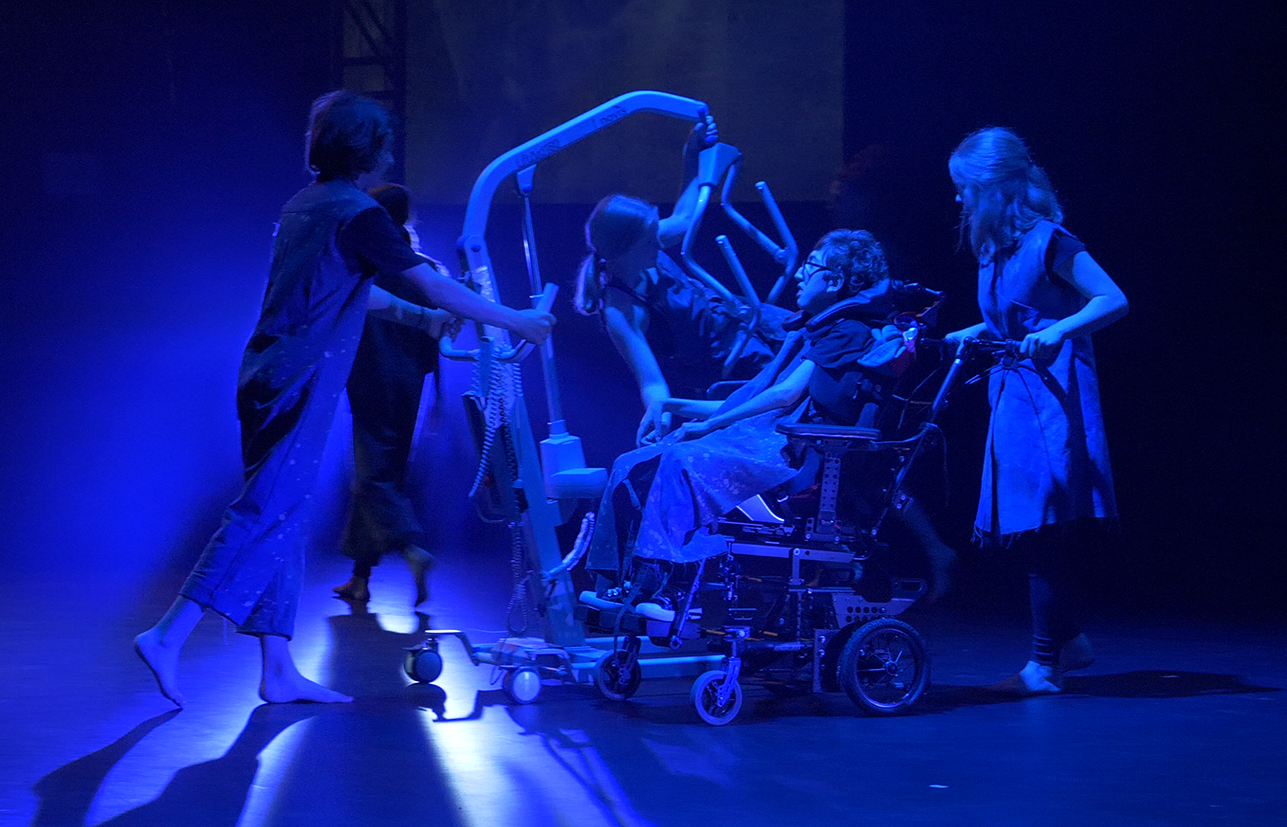
A quality of life tool developed by disability researcher Jenny Downs is helping to reveal the difference specific interventions can make to the lives of children and families living with disability.
Hannah Huong Christopher Moore Le Blyth OAM BSc (Hons) GradDipClinEpi PhD MA (Dev. Econ), MA (App. Stats), PhD (Econ) MBBS (Hons) DCH FRACP FRCPA PhD
The delay in community transmission of the new Coronavirus in WA, together with the strict, social distancing measures that have been adopted, provide us with an opportunity to observe the level of immunity development to the virus within the community and assess the impact of COVID-19 pandemic on health and well-
This Phase-IIa trial evaluates the safety and pharmacokinetics of high-dose, 10 weekly subcutaneous injections of penicillin (SCIP) in young people with a history of acute rheumatic fever (ARF).
The ORIGINS Project (“ORIGINS”) is a longitudinal, population-level birth cohort with data and biosample collections that aim to facilitate research to reduce non-communicable diseases and encourage ‘a healthy start to life’. ORIGINS has gathered millions of datapoints and over 400,000 biosamples over 15 timepoints, antenatally through to five years of age, from mothers, non-birthing partners and the child, across four health and wellness domains.