Search
Showing results for "1"
IDEA is one of the few population-based resources in the world dedicated to intellectual disability. The IDEA database contains information on all children born in Western Australia since 1983 who have been identified with having an intellectual disability. Individuals with autism spectrum disorder, both with and without intellectual disability, are also included in the database. Deidentified information is accessed from the Department of Communities WA, the WA Department of Education, and the National Disability Insurance Agency (NDIA) to create the database. IDEA can be linked to other datasets to facilitate research into the determinants, outcomes and service needs of children and adults with intellectual disability. Researchers can apply for such linked data, available in a de-identified format under approval from an ethics committee.
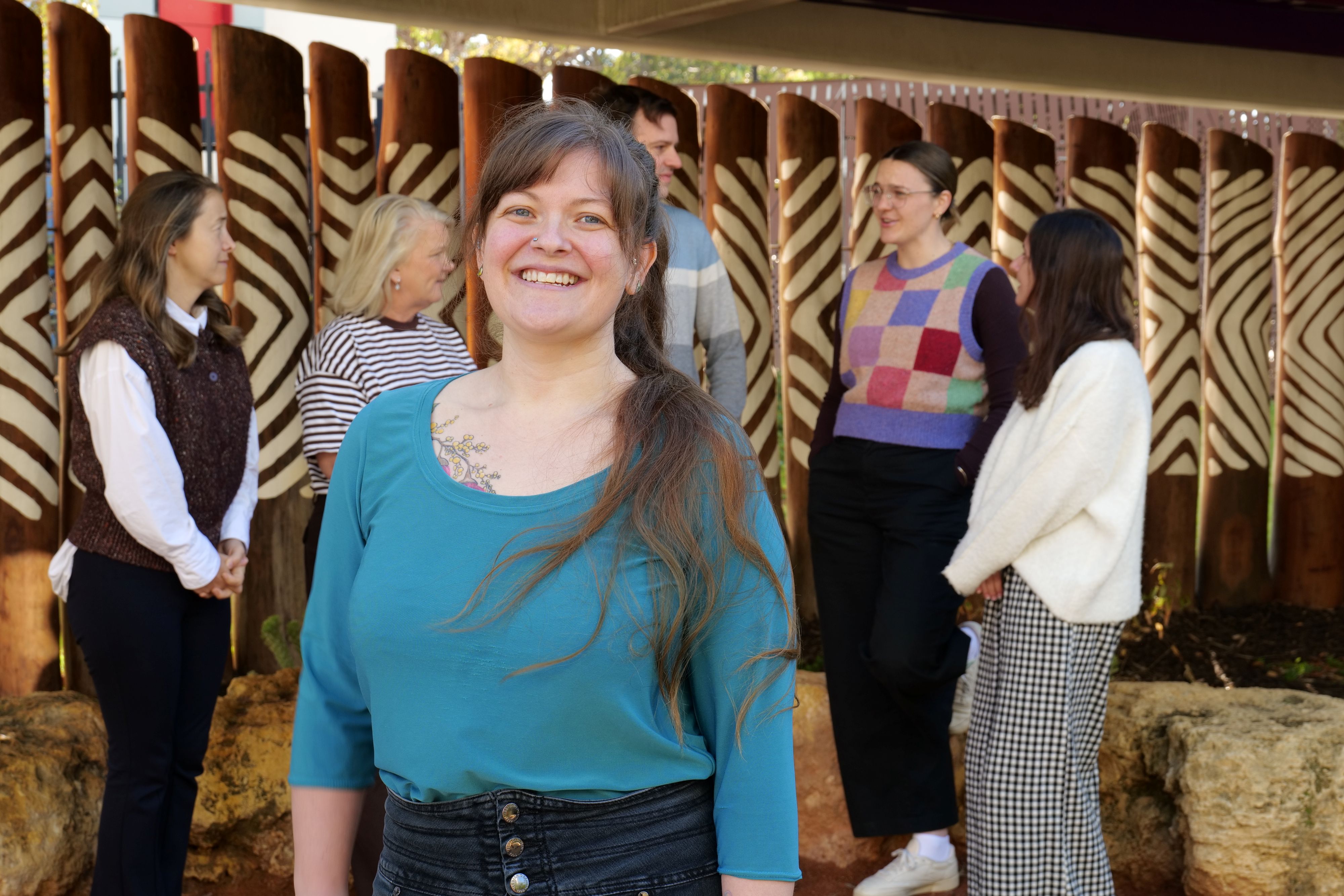
Learn about those behind the LiLO research study
Play Active is a national, low-cost, evidence-based program to boost energetic play in early childhood education and care. It offers free professional development for educators.
Supporting families to create healthy screen time habits
OASIS aims to support the implementation and dissemination of Friendly Schools across schools throughout Australia.
STAMP RSV is a multifaceted program of work with the single focus to prepare the community for the uptake of new and emerging RSV immunisation strategies by providing the evidence to inform public health policy.
PICOBOO is a randomised, adaptive trial evaluating the immunogenicity, reactogenicity, and safety of COVID-19 booster strategies. We report data for second boosters among individuals 50-<70 years old primed with AZD1222 (50-<70y-AZD1222) until Day 84.
PICOBOO is a randomised, adaptive trial evaluating the immunogenicity, reactogenicity, and safety of COVID-19 booster strategies. Here, we present data for second boosters among individuals aged 18-<50 and 50-<70 years old primed with BNT162b2 until Day (D) 84.
Globally, Indigenous populations have been disproportionately impacted by pandemics. In Australia, though national infection rates with COVID-19 infections in Aboriginal and/or Torres Strait Islander people were lower in the first 12 months of the COVID-19 pandemic, there was soon a greater burden in Aboriginal and/or Torres Strait Island people once Omicron was circulating. Uptake of the COVID-19 vaccine was also lower among Aboriginal and/or Torres Strait Islander people.
The current narrative surrounding children’s health and wellbeing often focuses on adversity and dysregulation with a lack of positive messaging. However, promoting protective and buffering factors may be as important as reducing adverse exposures. While the concept of flourishing is commonly applied in the context of adults, defining what flourishing means for children in current academic literature remains unclear.