
Search
Showing results for "aboriginal respiratory"
This article assesses the absolute and specific antibody titres to VP1 antigens of the gut-trophic enteroviruses, echovirus 30 and Sabin 1 poliovirus, in...
The aim of this study was to assess if MMP activation positively correlates with neutrophil elastase activity, disease severity and bronchiectasis in young...
We aimed to investigate the risk factors for different wheezing phenotypes in Chinese young children and to explore the prognosis of recurrent wheezing
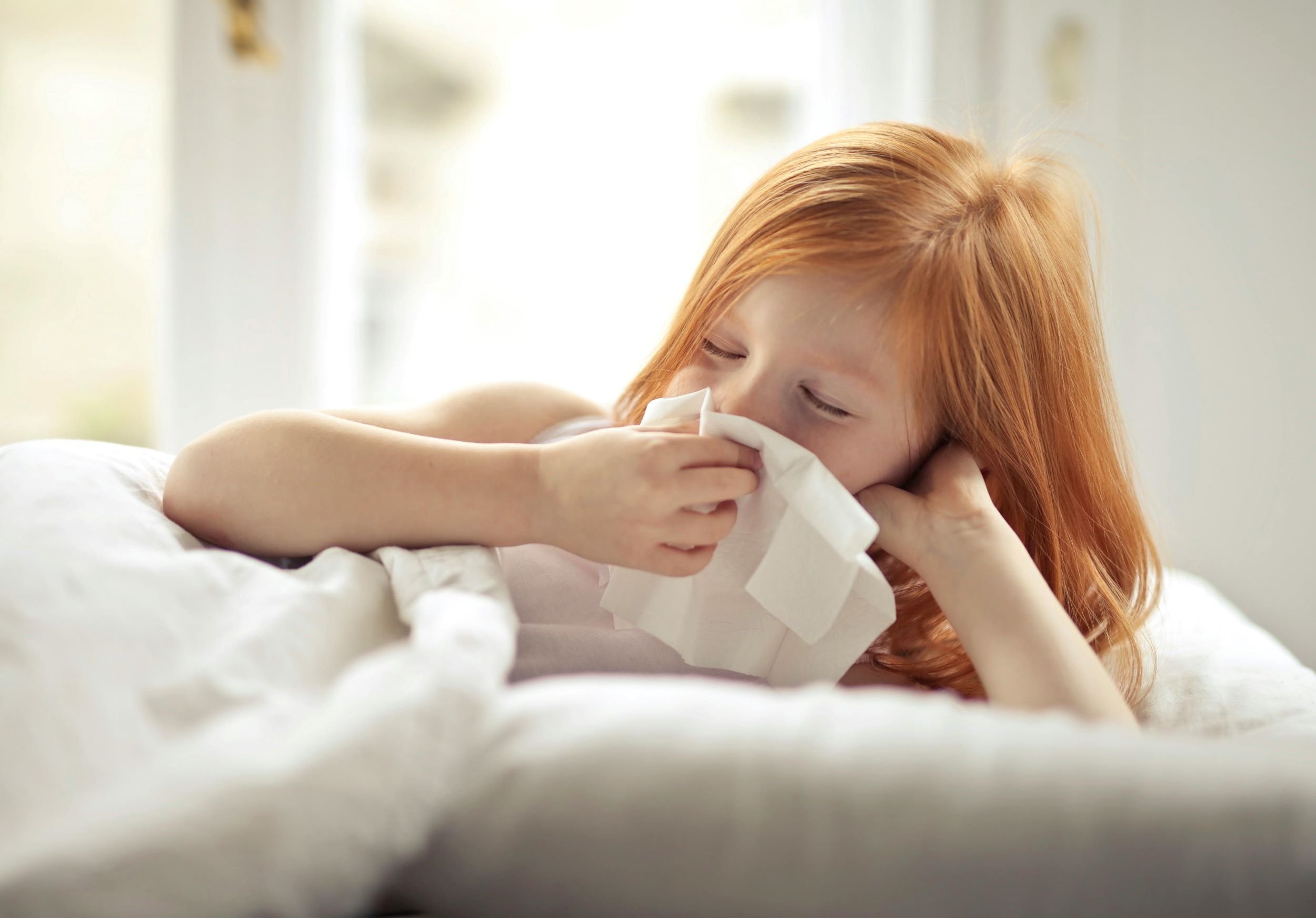
Examining whether consuming prebiotic fibre in pregnancy reduces the risk of developing allergic disease in the first three years of life.

The Metabolomics to Predict Asthma (MAP) study has reached an important turning point. After examining the ‘chemical fingerprints’ of more than 300 children, the team is now taking a new approach, turning to proteins to better understand which young children with recurrent wheeze go on to develop asthma.
This study highlights the importance of human milk in providing anti-severe acute respiratory syndrome coronavirus 2 immunity to newborns. The highest protective activity of human milk against COVID-19 was found in colostrum from infected mothers.
Atelectasis has been reported in 68 to 100% of children undergoing general anaesthesia, a phenomenon that persists into the recovery period. Children receiving recruitment manoeuvres have less atelectasis and fewer episodes of oxygen desaturation during emergence. The optimal type of recruitment manoeuvre is unclear and may be influenced by the airway device chosen.
This study describes patterns of hospitalisations for children and young people with Down syndrome in Western Australia.
Recurrent acute otitis media (AOM), frequently caused by Streptococcus pneumoniae, is a major paediatric health problem.
Bacteria persist within biofilms on the middle ear mucosa of children with recurrent and chronic otitis media however the mechanisms by which these...