
Search
Showing results for "early lung health"
A national strategy that focuses on early child development is the key to breaking the cycle of Aboriginal poor health and disadvantage.
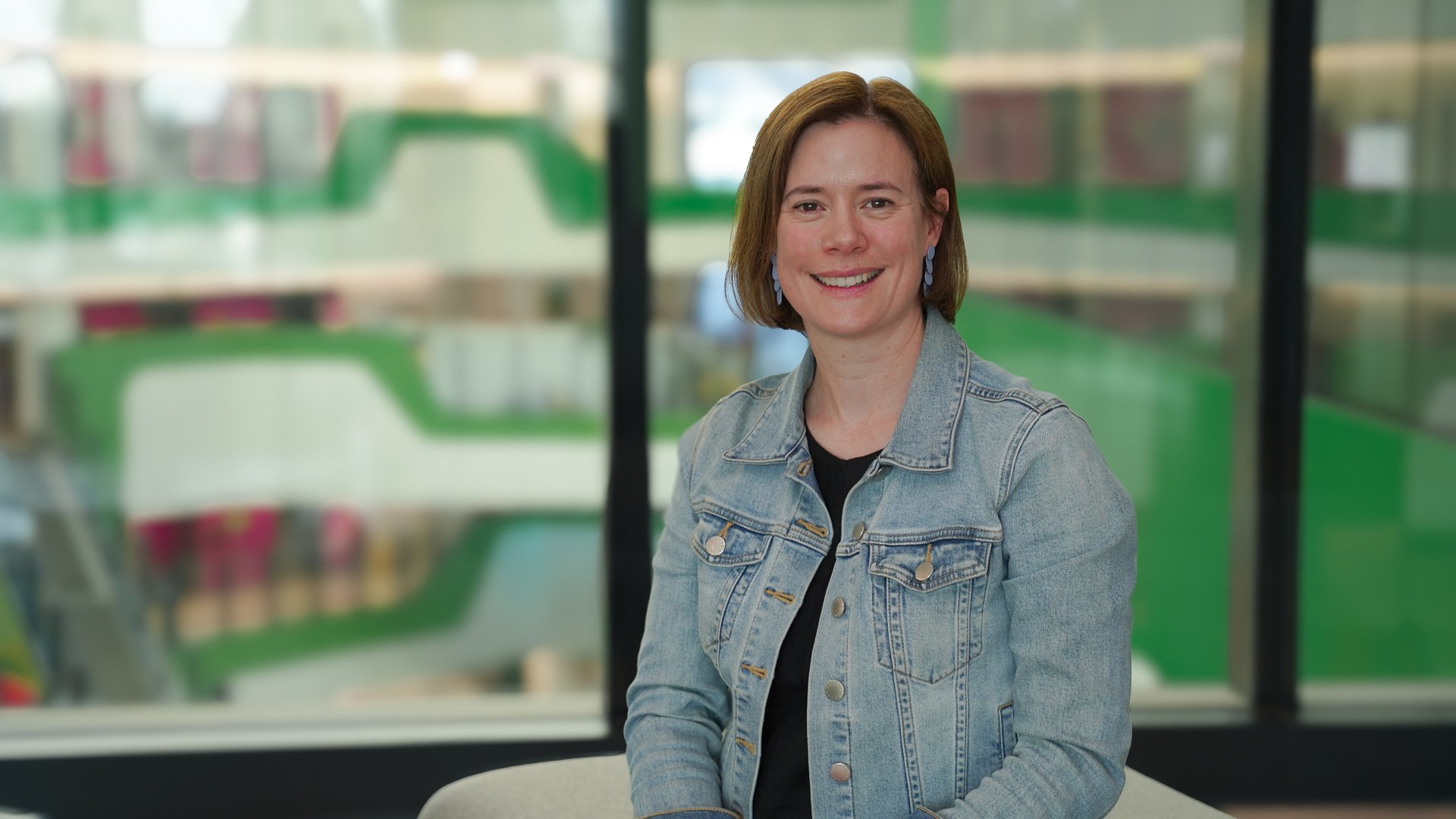
This fellowship is for her research that aims to improve mental health and wellbeing outcomes for young people and their families living with type 1 diabetes (T1D).
School readiness is a construct used by educators and policy makers to describe a range of abilities that are beneficial for children transitioning to school. The association of socioeconomic disadvantage with developmental vulnerability when children start school is well established. Parents play a crucial role in supporting children’s transition to school and are acknowledged as their child’s first and foremost teacher.
This study investigated the etiology of late language emergence (LLE) in 24-month-old twins, considering possible twinning, zygosity, gender, and...

The BioMood project will study how following a Mediterranean diet during pregnancy affects the gut microbiome, metabolism, and inflammation, with the expectation that it will promote a healthier microbiome and better mental health.
Energy drinks (ED) are popular among young people despite evidence of associated health risks. Research into the prevalence and pattern of ED intake among young people is sparse. The present study investigates the prevalence and pattern of ED intake among a large sample of adolescents, including how many consume them, how often, for what reasons and in what contexts.
Child obesity is a serious public health challenge affected by both individual choice and societal and environmental factors. The main modifiable risk factors for child obesity are unhealthy eating and low levels of physical activity, both influenced by aspects of the built environment.

The national report released today from the Australian Early Development Census (AEDC) shows that in 2015, most children in Australia were on track.
Yael Perry BPsych (Hons) MPsych (Clin) PhD Head, Youth Mental Health 08 6319 1298 yael.perry@thekids.org.au Head, Youth Mental Health @yaelperry she/
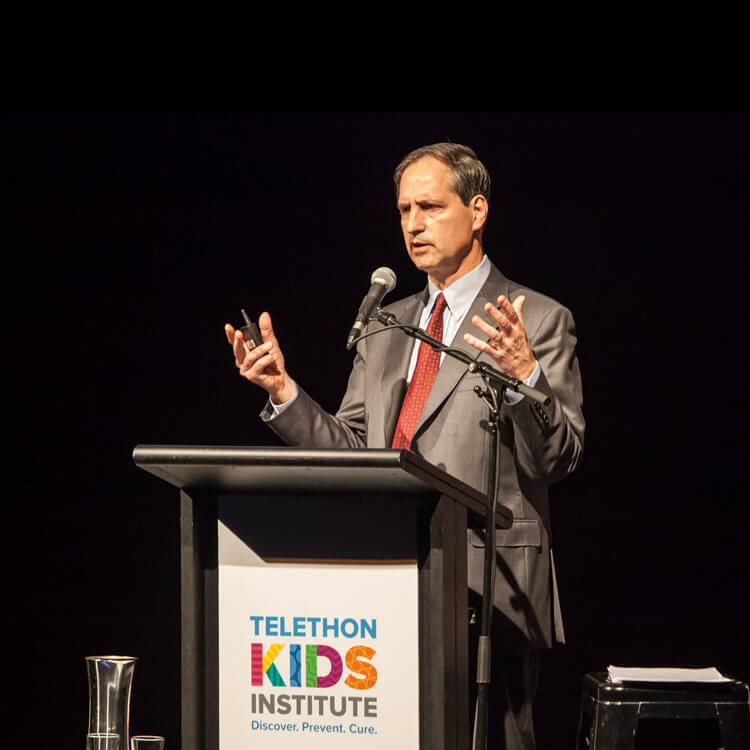
Professor Bloom used his time to make a powerful case for the idea that 'healthier means wealthier' at the The Kids Annual Community Lecture for 2017