
Search
Showing results for "mental health aboriginal"
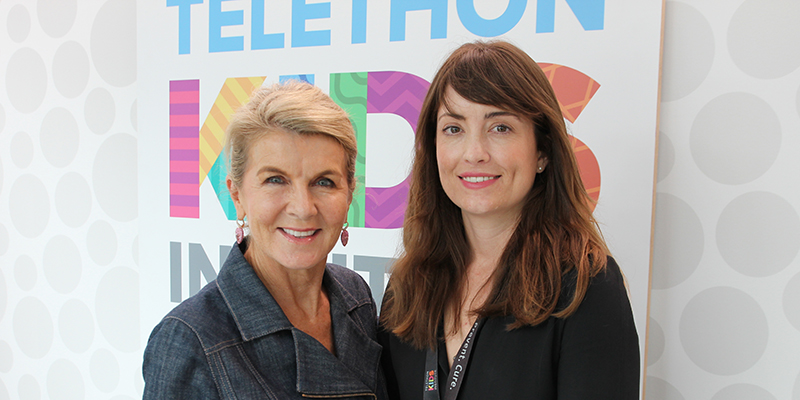
The Kids Research Institute Australia Chair Julie Bishop has pledged $50,000 to fund an award designed to help young female researchers overcome persistent barriers to career and leadership success.

At The Kids Research Institute Australia, our researchers are working to shift that balance through evidence-based research that supports the health, safety and wellbeing of girls, young women and women at every stage of life.
Aboriginal children living in remote communities are at high risk of early and persistent otitis media. Streptococcus pneumoniae and non-typeable Haemophilus influenzae (NTHi) are primary pathogens. Vaccines with potential to prevent early OM have not been evaluated in this population. We compared immunogenicity (ELISA and opsonophagocytic activity) of a combination of Synflorix™ (PHiD-CV10, 10 serotypes and protein D of NTHi) and Prevenar13™ (PCV13, 10 serotypes plus 3, 6A, and 19A), with recommended schedules.
This study aimed to determine if relationships between LCI and clinical outcomes of CF lung disease differ when only two acceptable MBW trials are assessed.
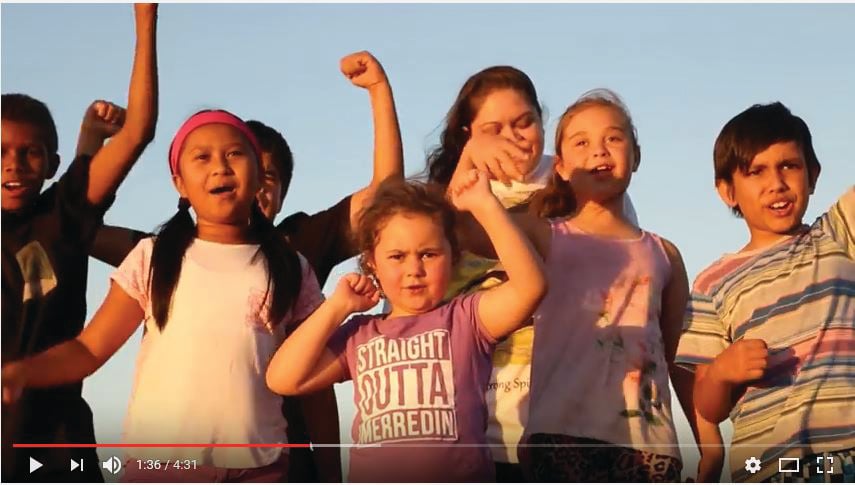
An innovative program set to run for about two and a half years aims to halve the number of children affected by skin infections.
The ecology of the early environment - including microbial diversity, nutrition, nature, social interactions and the totality of exposures in the wider "exposome" - have life-long implications for all aspects of health and resilience. In particular, the emergence of "microbiome science" provides new evidence for vital relationships between biodiversity and health at every level.
This project will investigate the effects of the time interval between pregnancies (interpregnancy interval), family size and other sociodemographic factors on child development outcomes at age five.
RHD Action is the name given to the global movement to reduce the burden of rheumatic heart disease (RHD) in vulnerable populations of all ages throughout the world.
Skin infections are a significant cause of severe disease, requiring hospitalization in Western Australian children, particularly with Aboriginal children
Despite universal access to government-funded direct-acting antivirals in 2016, the rate of hepatitis C treatment uptake in Australia has declined substantially. Most hepatitis C is related to injecting drug use; reducing the hepatitis C burden among people who inject drugs is, therefore, paramount to reach hepatitis C elimination targets.