
Search
Showing results for "vitamin d asthma"
Strep A causes a huge global burden of disease, from sore throats to rheumatic heart disease. Our team is developing a computer simulation model, OpenStrepA, to help researchers tackle this disease.
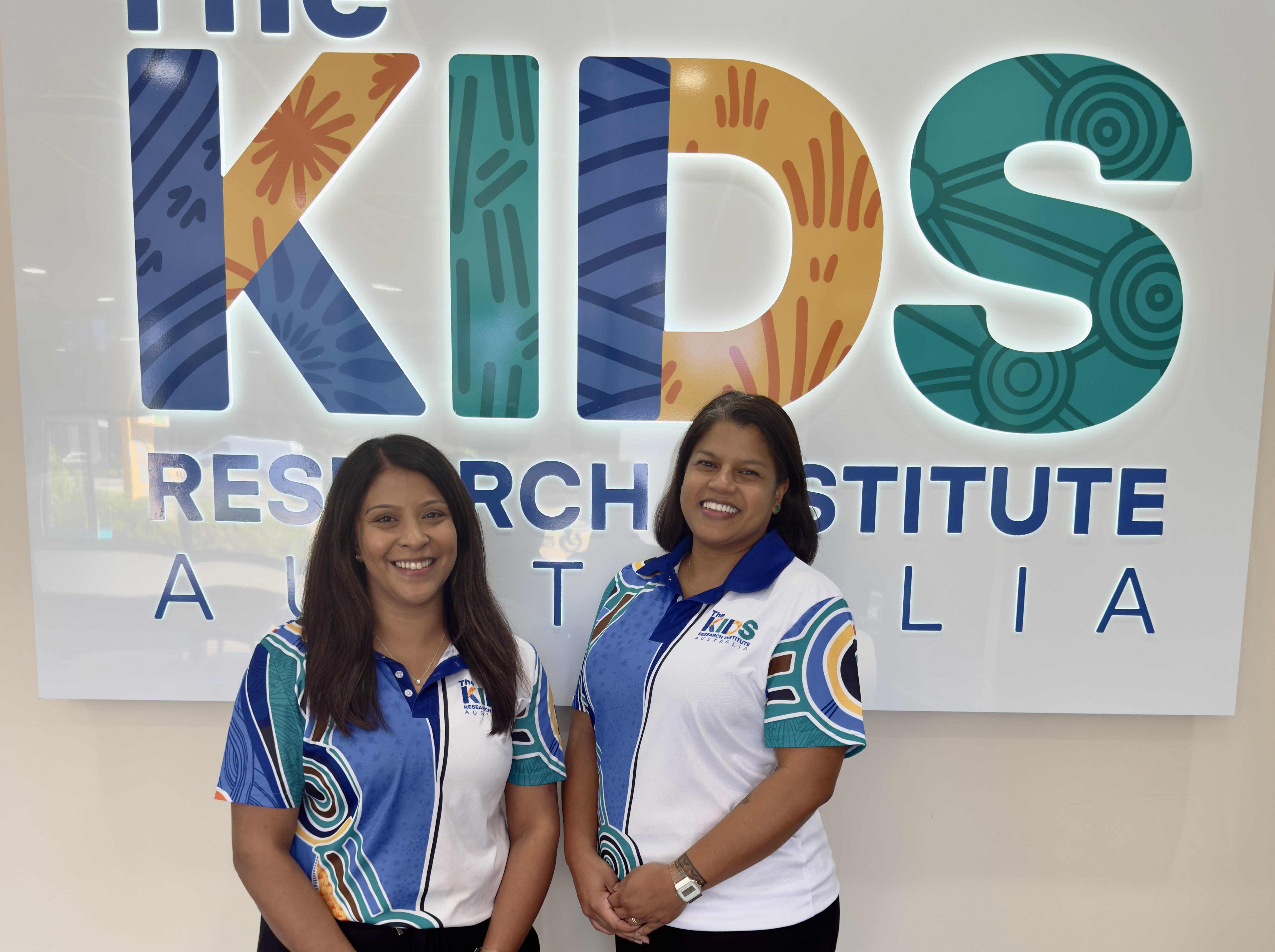
Hear from Avril Bezant, ORIGINS Data Coordinator, and Alexis Harun, ORIGINS Paediatric Coordinator, and be reminded that it’s never too late to pursue your passion along with their hopes for women entering a STEM career.
Here we describe the experiences of young people living with ARF participating in a Phase-II trial of SubCutaneous Injections of BPG.
Australia does not have a national strategy for Aboriginal and Torres Strait Islander adolescent health and as a result, policy and programming actions are fragmented and may not be responsive to needs. Efforts to date have also rarely engaged Aboriginal and Torres Strait Islander people in co-designing solutions. The Roadmap Project aims to work in partnership with young people to define priority areas of health and well-being need and establish the corresponding developmentally appropriate, evidence-based actions.
Malaria risk maps are crucial for controlling and eliminating malaria by identifying areas of varying transmission risk. In the Greater Mekong Subregion, these maps guide interventions and resource allocation. This article focuses on analysing changes in malaria transmission and developing fine-scale risk maps using five years of routine surveillance data in Laos (2017-2021). The study employed data from 1160 geolocated health facilities in Laos, along with high-resolution environmental data.
Maternal psychological distress is related to poorer physical and mental health as well as child developmental problems. Interventions that optimise maternal mental health and wellbeing during the "first 1,000 days" of life should have wide-reaching benefits for the mother and her child.
To describe the infant and maternal characteristics of the Early Moves cohort and to assess representativeness to the general population, and to evaluate the implementation fidelity of an application-based collection of General Movement Assessment (GMA) videos at writhing and fidgety age.
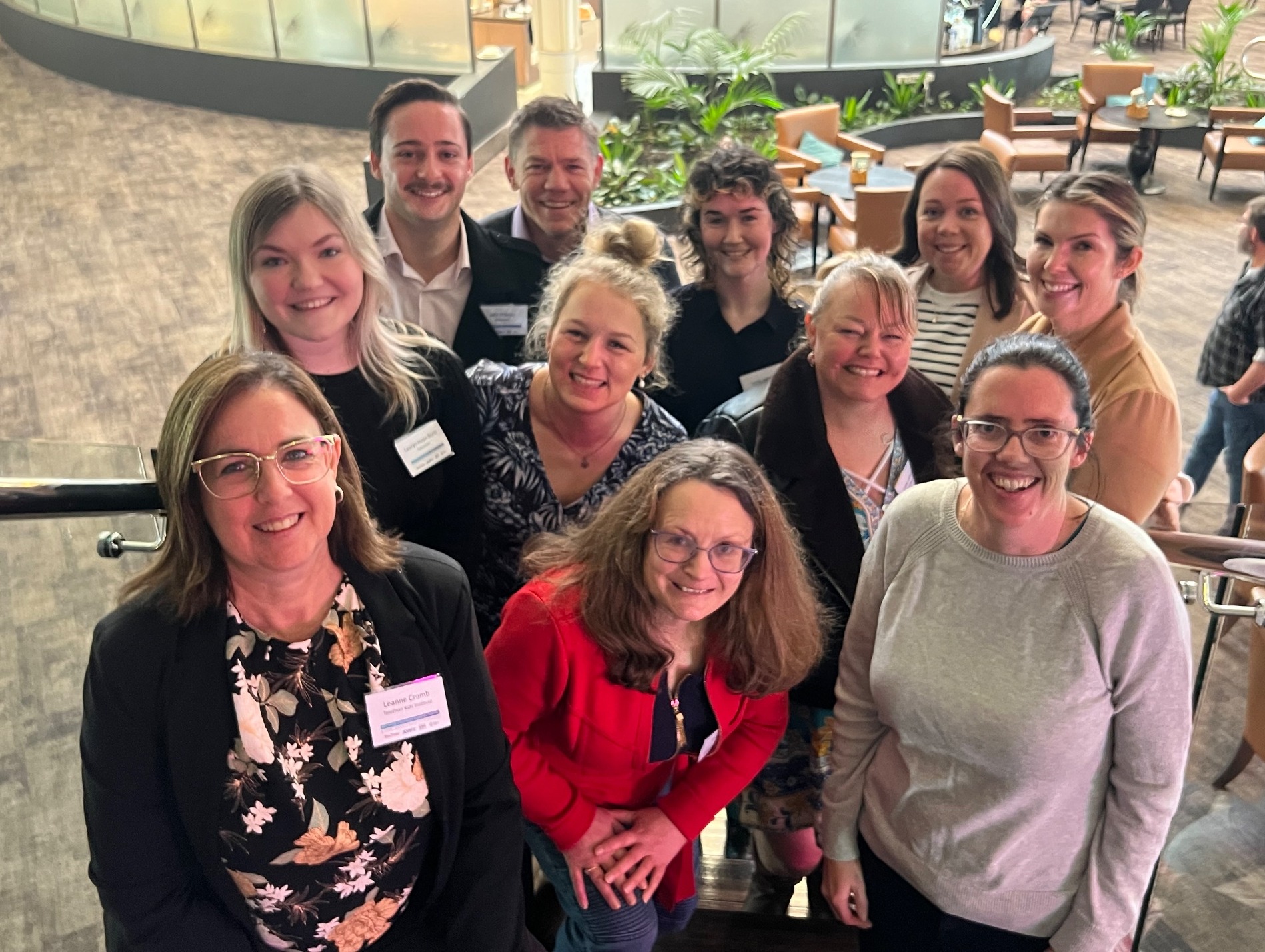
National committee members are a really important part of our research projects. Find out what they have been working on.
with Leah Pascoe
Australian Aboriginal and/or Torres Strait Islander children in rural/remote areas suffer high rates of persistent otitis media (OM) from early infancy. We aimed to determine the proportion of Aboriginal infants living in an urban area who have OM and investigate associated risk factors.