Search
Showing results for "early childhood"
Children as young as six years old are being diagnosed with type 2 diabetes, according to Perth endocrinologists who are calling for early screening of at-risk groups.
Changing Prevalence of Lower Airway Infections in Young Children with Cystic Fibrosis Aspergillus is a type of fungus that is found everywhere in
Interleukin-1 is associated with inflammation and structural lung disease in young children with cystic fibrosis Early diagnosis and treatment in
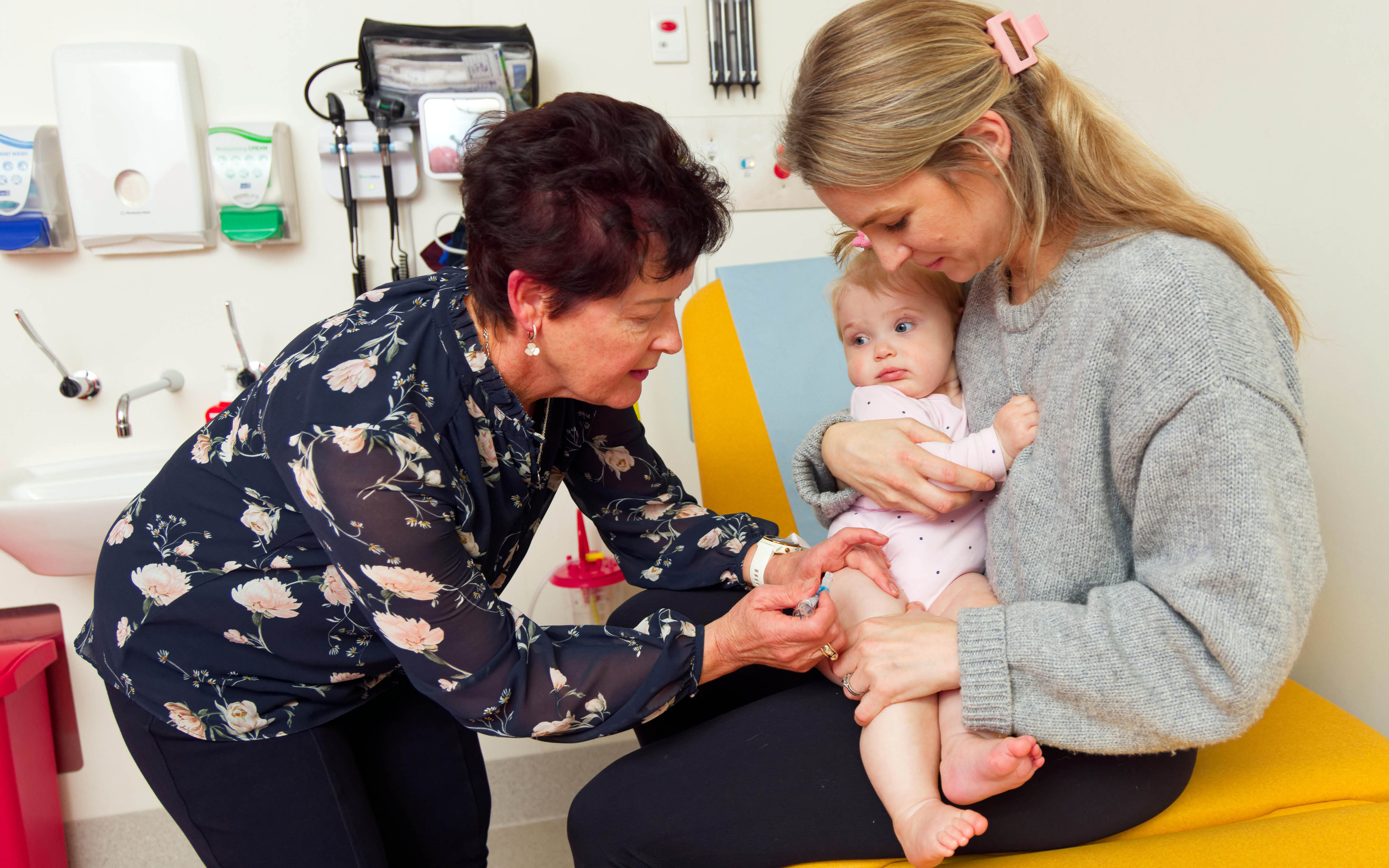
Immunisation is the most effective way of protecting your child against a range of serious illnesses, including measles, hepatitis B and whooping cough. All vaccines used in Australia undergo stringent testing and ongoing monitoring.
Nutrition is a modifiable lifestyle factor that may play a role in allergic disease prevention. This article summarizes current evidence on the antenatal diet as a consideration for strategies to prevent child food allergy. As eczema in early infancy substantially increases the risk of food allergy development, the effects of maternal dietary intakes during pregnancy on infant eczema outcomes will also be discussed.
Interventions to address alcohol use during pregnancy need to target underlying determinants of the behaviour. Using the theory of planned behaviour as a theoretical framework, the aim of this study was to identify behavioural, normative and control beliefs regarding alcohol use during pregnancy among a sample of women.
Adolescents and young adults with chronic medical conditions report higher distress and lower wellbeing than their physically healthy peers. Previous research suggests that self-compassion is negatively correlated with distress and positively correlated with wellbeing among healthy young people, as well as adults with chronic medical conditions.
There is a growing need for early biomarkers that may predict the development of atopic dermatitis (AD). As alterations in skin barrier may be a primary event in disease pathogenesis, epithelial cell (EC) cytokines expression patterns may be a potential biomarker in early life to target allergy preventive strategies towards "at-risk" infants. The aim of this longitudinal investigation was to examine from birth over the course of infancy levels of the EC cytokines: thymic stromal lymphopoietin (TSLP), interleukin (IL)-33, IL-25, and IL-17 in infants at high-risk of AD due to maternal atopy.
Probiotics may be neuroprotective for preterm neonates due to their anti-inflammatory effects and ability to facilitate nutrition. AIM: To assess long-term effects of early probiotic supplementation on neuropsychological development in preterm infants
Reliance on increasing use of dietary supplementation and fortification (eg, with folate) to compensate for increased consumption of processed foods is also...