
Search
Showing results for "early lung health"

Honorary Research Fellow
A pilot study to assess recruitment and nasal sampling in newborns.
A recent systematic review of 5 randomized clinical trials, found that early egg introduction was associated with reduced egg allergy.

by Dr Shivanthan Shanthikumar
To reduce peanut allergy prevalence, infant feeding guidelines now recommend introducing peanuts in an age-appropriate form (such as peanut butter) as part of complementary feeding. However, due to a lack of randomized trial evidence, most infant feeding and food allergy prevention guidelines do not include tree nuts. The aims of this trial were to determine safety and feasibility of dosage consumption recommendations for infant cashew nut spread introduction.
Ingestion of prebiotics during pregnancy and lactation may have immunomodulatory benefits for the developing fetal and infant immune system and provide a potential dietary strategy to reduce the risk of allergic diseases. We sought to determine whether maternal supplementation with dietary prebiotics reduces the risk of allergic outcomes in infants with hereditary risk.
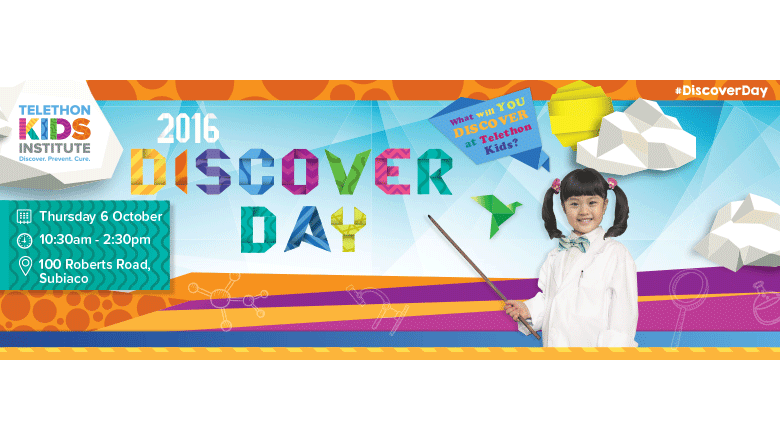
Join us this school holidays for a FREE family fun day at The Kids Research Institute Australia in Subiaco and discover how we are making a difference to child health.

Families affected by bronchiectasis gathered in Kings Park recently for a special event hosted by the BRIGHT Study team, celebrating community, connections, and conversations.

Co-head, Bacterial Respiratory Infectious Disease Group (BRIDG)
Prevention strategies in ARF endemic settings may be enhanced by targeting new members entering a community and children in environments of close contact