
Search
Showing results for "Childhood interstitial lung disease "

How can your organisation help improve the lives of children?
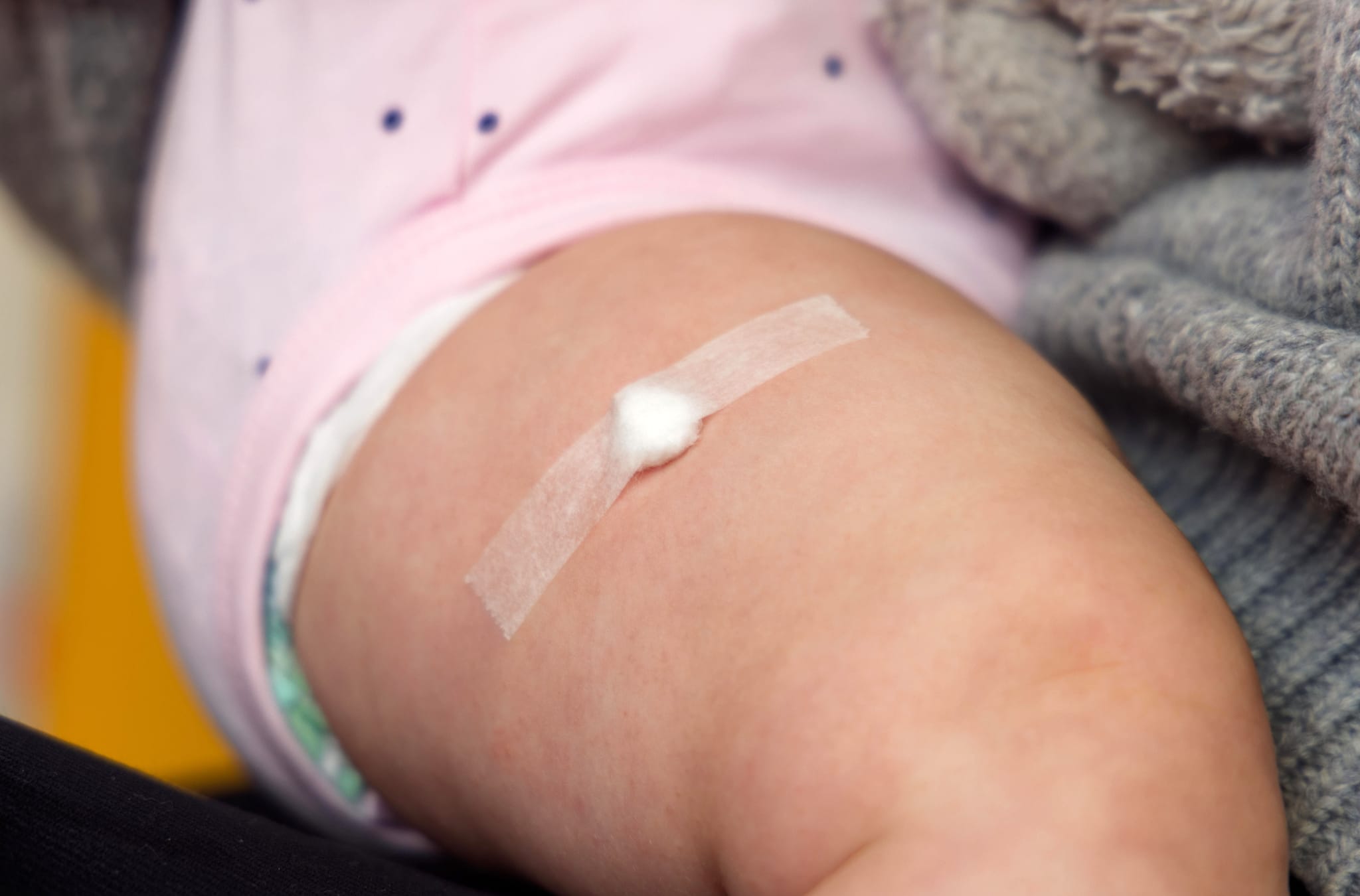
10,000 families participating in research by The Kids Research Institute Australia have demonstrated the effectiveness of a simple text message for increasing the number of children receiving their vaccinations on time.
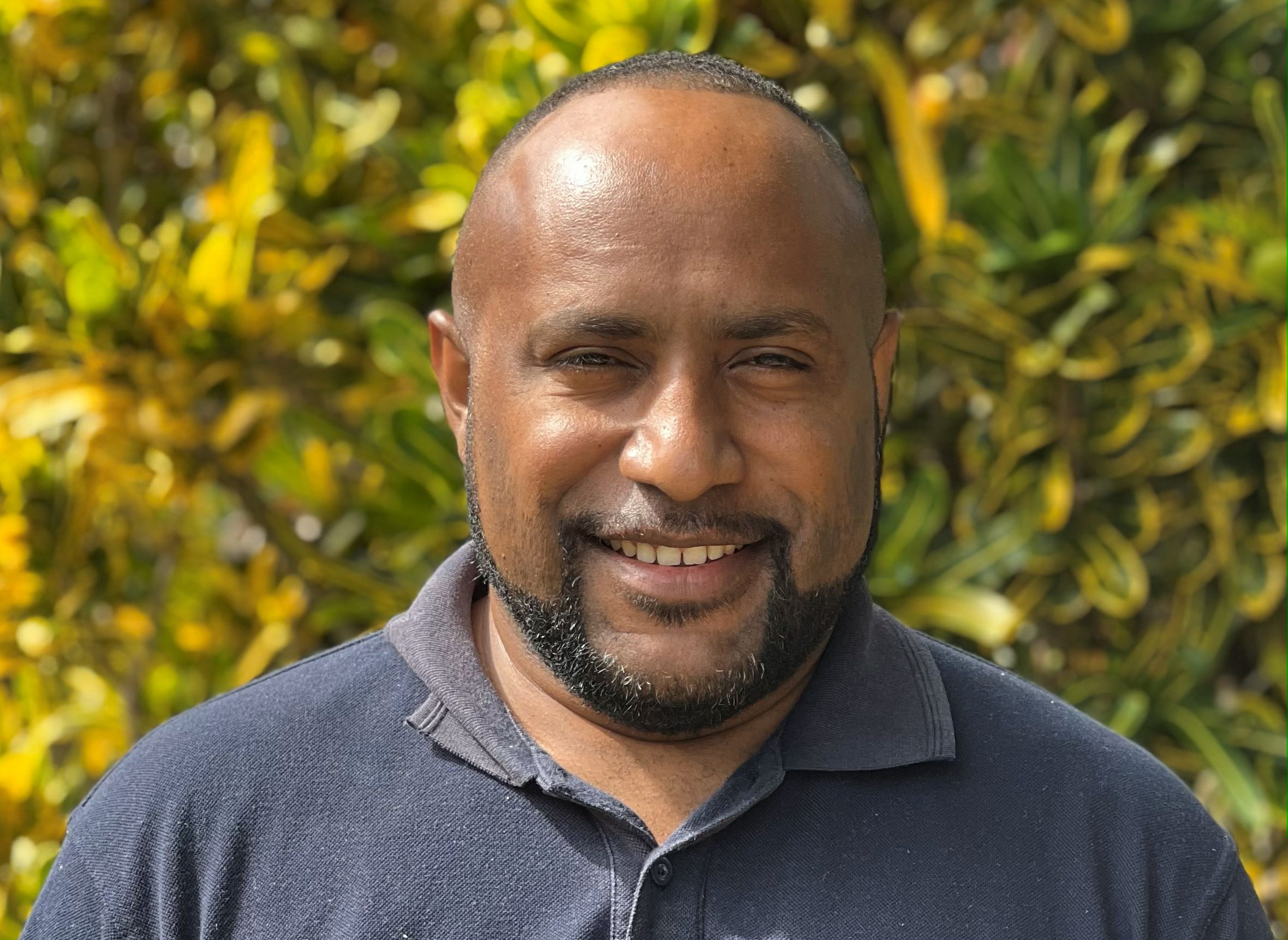
Papua New Guinean researcher Dr Lincoln Timinao has been awarded the 2025 Deborah Lehmann Research Award (DLRA) for his work aimed at investigating the burden of malaria in young children.

A new study underway at the Wesfarmers Centre of Vaccines and Infectious Diseases, based at The Kids Research Institute Australia, is deliberately infecting tonsils with Strep A in the laboratory to test a range of potential vaccine candidates.
Children with early-life recurrent otitis media (OM) will often endure pain, sleep disturbances, and other developmental setbacks that impact the surrounding family system. The aim of this study was to investigate the psychological well-being and family functioning of caregivers of children with early-life recurrent OM (rOM).
Our interdisciplinary team initiated a project to inform the COVID-19 vaccination programme. We developed a novel research co-creation approach to share emerging findings with government.
Influenza and COVID-19 infections during pregnancy may have serious adverse consequences for women as well as their infants. However, uptake of influenza and COVID-19 vaccines during pregnancy remains suboptimal. This study aims to assess the effectiveness of a multi-component nudge intervention to improve influenza and COVID-19 vaccine uptake among pregnant women.
The aim of this research note is to encourage child language researchers and clinicians to give careful consideration to the use of domain-specific tests as a proxy for language; particularly in the context of large-scale studies and for the identification of language disorder in clinical practice.
This study sought to determine the prevalence of Developmental Language Disorder (DLD) in Australian school-aged children and associated potential risk factors for DLD at 10 years.
The Kids Research Institute Australia position on schools and COVID-19 in Western Australia