
Search
Showing results for "aboriginal respiratory"
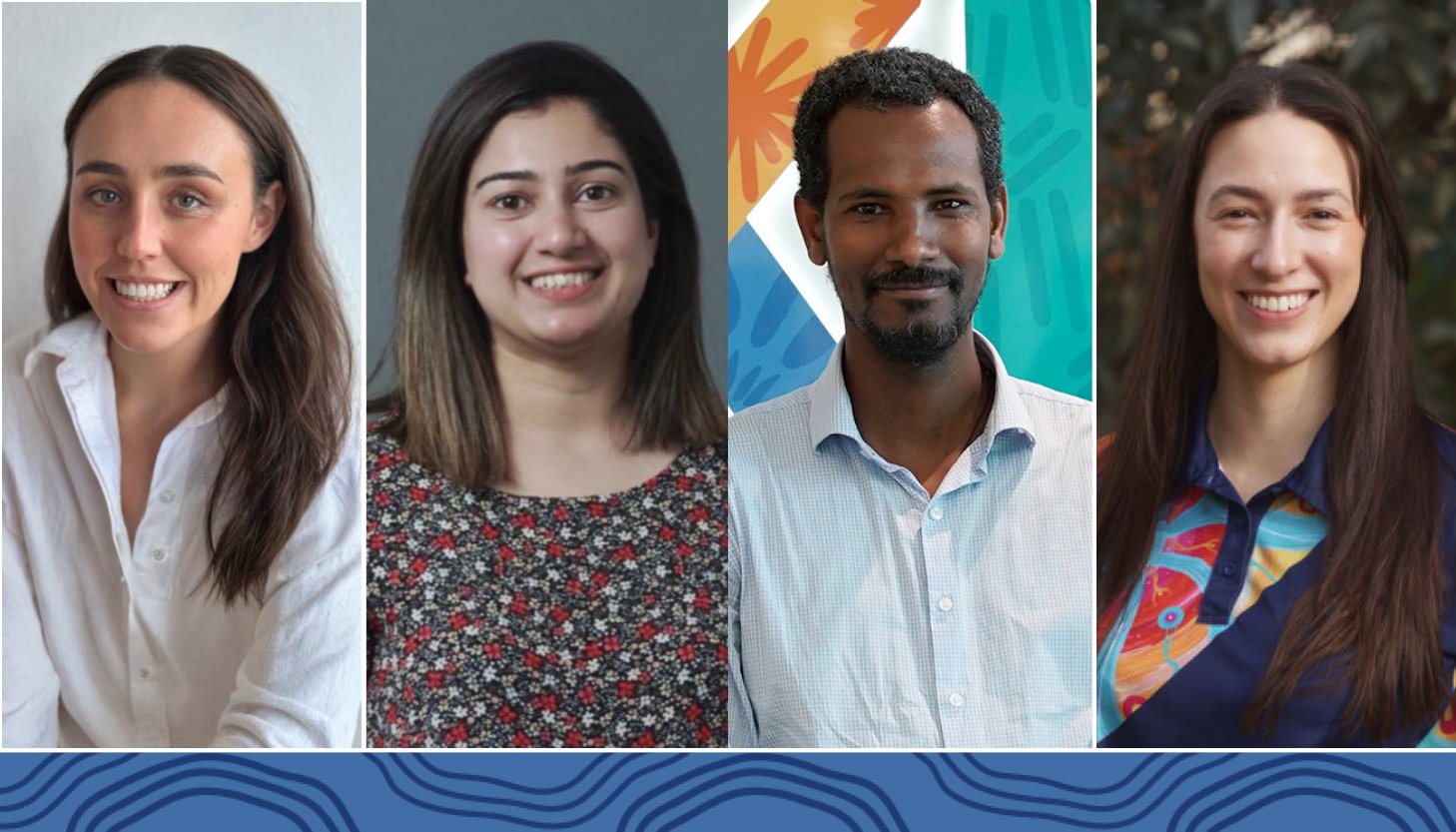
Congratulations to four outstanding early-career researchers from The Kids Research Institute Australia, who have been awarded BrightSpark Foundation fellowships and project funding for 2026.
The Australian Strep A Vaccine Initiative (ASAVI) is an Australian-led global initiative with the goal of reducing the disease burden caused by Group A Streptococcus (Strep A) infection through effective vaccination.

The goal of the program is to establish the foundations of an effective, sustainable and equitable response to RHD in the Pacific.
Asha Jonathan Bowen Carapetis AM BA MBBS DCH FRACP PhD GAICD FAHMS OAM AM MBBS FRACP FAFPHM PhD FAHMS Head, Healthy Skin and ARF Prevention Co-Head,
Reach works to promote the health of vulnerable populations by providing technical support to local, regional and global efforts to prevent and control rheumatic fever and rheumatic heart disease (RF/RHD).
Dr Anita Asha Campbell Bowen MBBS, DCH, PG DipPID, FRACP, PhD BA MBBS DCH FRACP PhD GAICD FAHMS OAM Infectious Diseases Physician; Raine Clinician
Melissa O'Donnell BPsych (Hons), MPsych, GradDip Ed, PhD Honorary Research Associate Honorary Research Associate Areas of research expertise: Child

Find out what our communities had to say about the draft Statement on Consumers and Community Involvement in Health and Medical Research.
The present study aims to investigate the association between an early history of recurrent otitis media (OM) with or without ventilation tube insertion and later behavioural problems in childhood and adolescence.
Qualitative research on sensitive topics (e.g. abuse, mental health difficulties, discrimination) is needed to understand lived experiences of complex issues. However, this type of research raises concerns about potential adverse effects on participants, especially with younger participants and those from marginalized populations. In this study, we conducted a reflexive thematic analysis of 20 trans adolescents’ (14–18 years of age) experiences of participating in research about their stigma experiences.