
Search
Showing results for "aboriginal respiratory"
Soft neurological signs were more common in children with prenatal alcohol exposure or FASD, consistent with the known neurotoxic effect of PAE
At The Kids, we recognise that people are our greatest asset.

Postdoctoral Researcher

Senior Research Officer, Epidemiology

Research Assistant
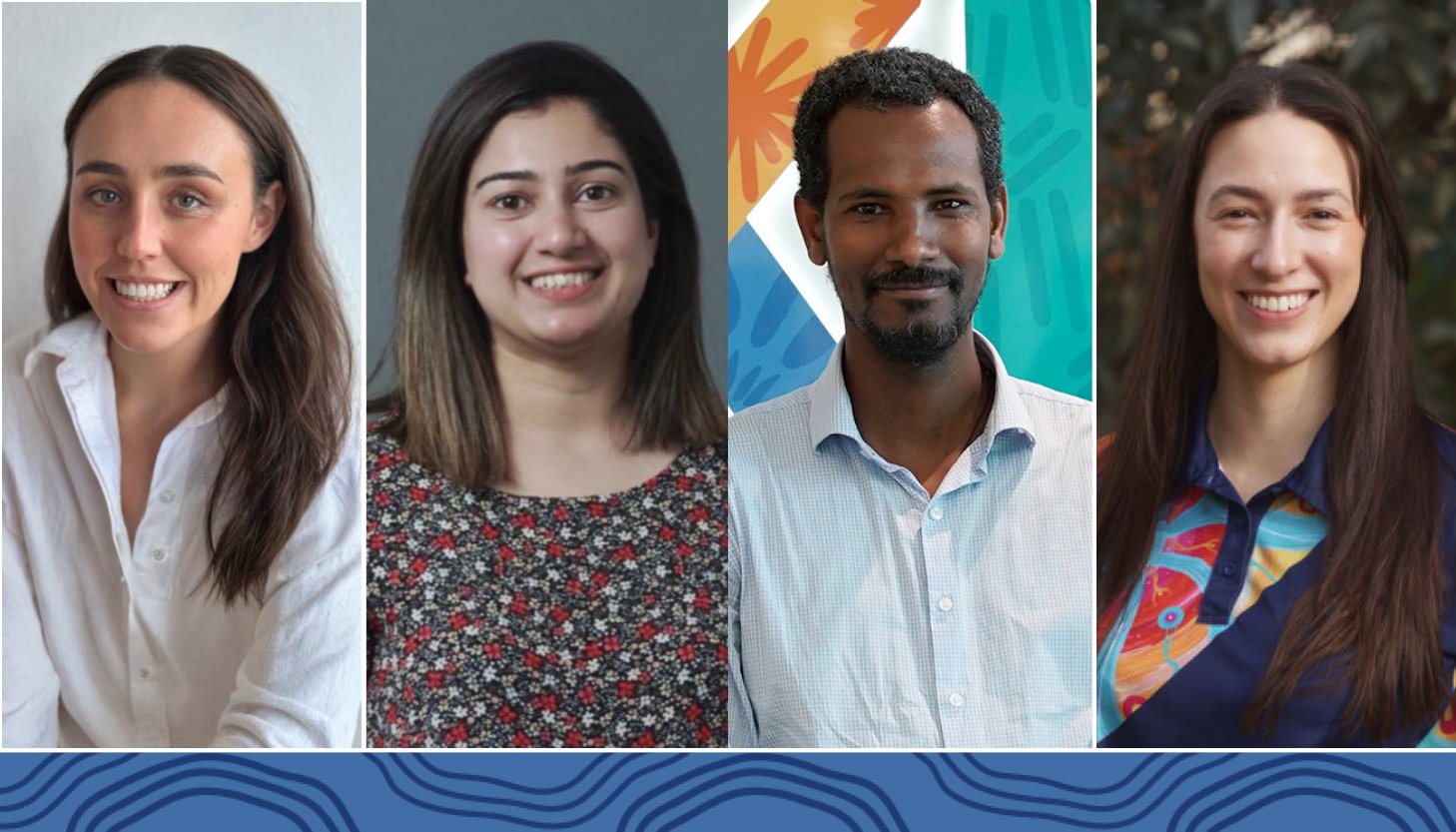
Congratulations to four outstanding early-career researchers from The Kids Research Institute Australia, who have been awarded BrightSpark Foundation fellowships and project funding for 2026.
We examined general fertility rates from 1995 and 2006 by socioeconomic group, maternal age, Aboriginality and location in WA before and after the Baby Bonus.
Staphylococcus aureus bloodstream infection is traditionally treated with at least 2 weeks of intravenous antibiotics in adults, 3-7 days in children, and often longer for those with complicated disease. The current practice of treating S. aureus bacteremia with prolonged IV antibiotics (rather than oral antibiotics) is based on historical observational research and expert opinion. Prolonged IV antibiotic therapy has significant disadvantages for patients and healthcare systems, and there is growing interest in whether a switch to oral antibiotics following an initial period of IV therapy is a safe alternative for clinically stable patients.
Streptococcus dysgalactiae subspecies equisimilis and Streptococcus pyogenes share skin and throat niches with extensive genomic homology and horizontal gene transfer possibly underlying shared disease phenotypes.
Rheumatic heart disease is the largest contributor to cardiac-related mortality in children worldwide. Outcomes in endemic settings after its antecedent illness, acute rheumatic fever, are not well understood. We aimed to describe 3-5 year mortality, acute rheumatic fever recurrence, changes in carditis, and correlates of mortality after acute rheumatic fever.