
Search
Showing results for "early lung health"
Ingestion of prebiotics during pregnancy and lactation may have immunomodulatory benefits for the developing fetal and infant immune system and provide a potential dietary strategy to reduce the risk of allergic diseases. We sought to determine whether maternal supplementation with dietary prebiotics reduces the risk of allergic outcomes in infants with hereditary risk.
Consideration of suicide among Aboriginal and Torres Strait Islander peoples must be situated within a context that recognises the impact of racism...
Carrington Shepherd PhD Honorary Research Associate Honorary Research Associate Areas of research expertise: Population health; Aboriginal and Torres
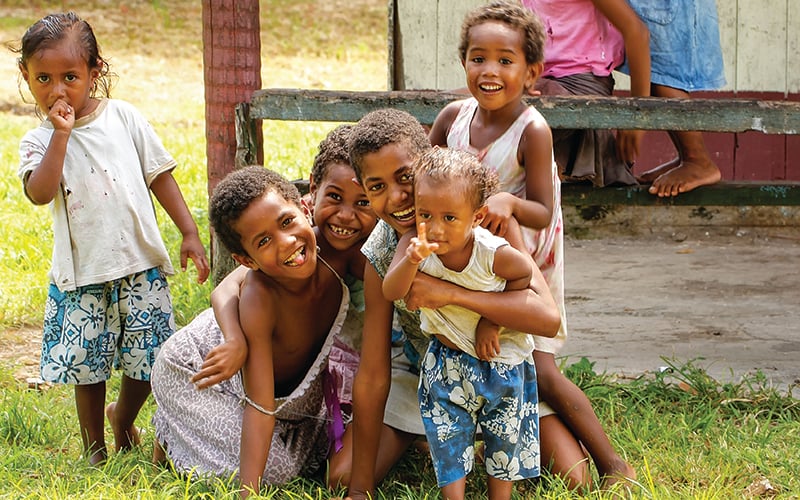
Children in the tiny Pacific nation of Tuvalu face a unique threat that should be a wake-up call to other countries across the world.
Prevention strategies in ARF endemic settings may be enhanced by targeting new members entering a community and children in environments of close contact
Melissa Fiona O'Donnell Stanley BPsych (Hons), MPsych, GradDip Ed, PhD FAA FASSA MSc MD FFPHM FAFPHM FRACP FRANZCOG HonDSc HonDUniv HonFRACGP HonMD
Our skin, the body’s largest organ, protects us and maintains overall health. Untreated recurring skin infections like impetigo and scabies severely impact children. The Kids is at the forefront of combatting skin infections, particularly within remote Aboriginal communities experiencing some of the world’s highest rates.
Debbie Susan Palmer Prescott BSc BND PhD MBBS BMedSci PhD FRACP Head, Nutrition in Early Life Honorary Research Fellow debbie.palmer@uwa.edu.au
Group B streptococcus (GBS) is an important cause of early- and late-onset sepsis in the newborn. Preterm infants have markedly increased susceptibility...
Food allergy is mediated by a combination of genetic and environmental risk factors, potentially mediated by epigenetic mechanisms.