
Search
Showing results for "clinical trials"
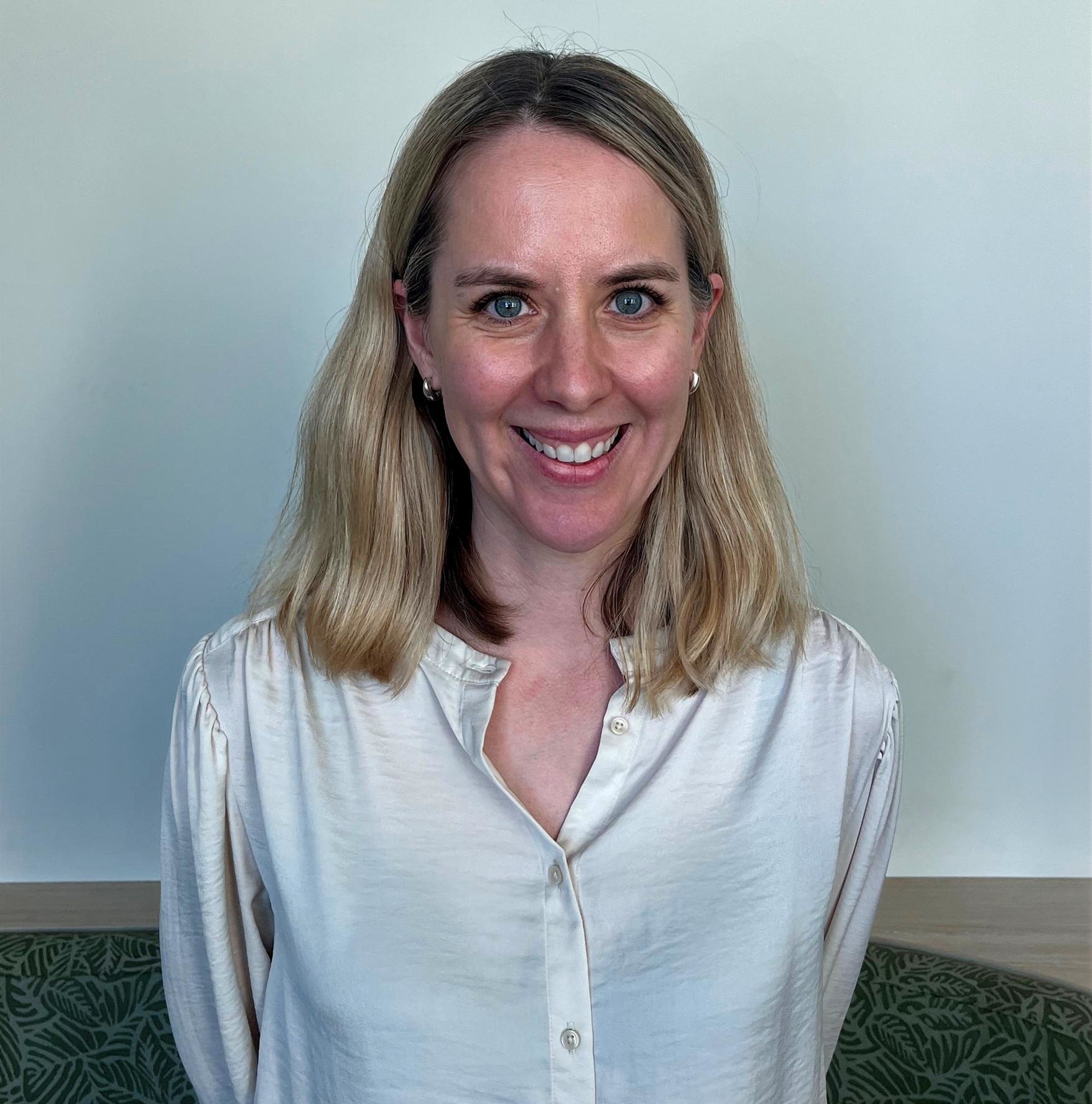
Speech Pathologist
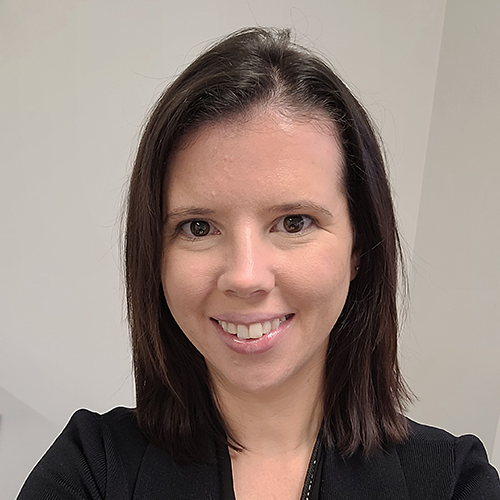
Research Operations Coordinator
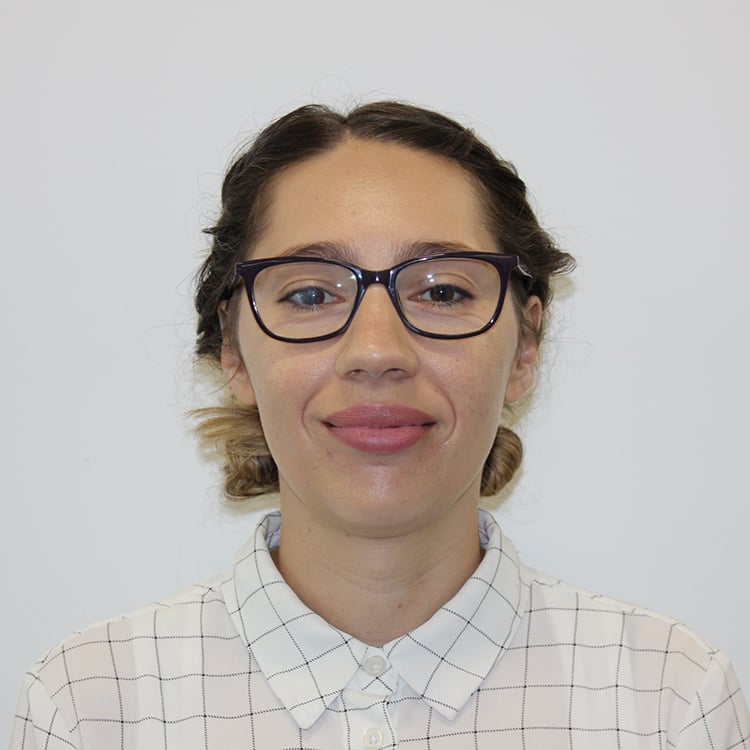
Bep Uink is an Honorary Research Associate at The Kids Research Institute Australia.
We compared mortality and morbidity of inborn versus outborn very preterm infants <32 weeks' gestation in Western Australia (WA) between 2005 and 2018
Neonatal jaundice is a common clinical condition that can progress to severe hyperbilirubinemia if identification and intervention are delayed. In this study, we aimed to analyze the current evidence on the accurate performance of smartphone applications to quantify bilirubin levels.
No clinical studies have examined the effect of mineral trioxide aggregate (MTA) obturation levels on the outcome of endodontic retreatment. This retrospective study examined treatment outcomes in three cohorts that compared overfilling, flush filling, and underfilling after orthograde retreatment using MTA.

Congratulations to Dr Vinutha Shetty who has been awarded a Type 1 Diabetes Clinical Research Network’s Mentored Clinician Researcher Fellowship Award for 2017.
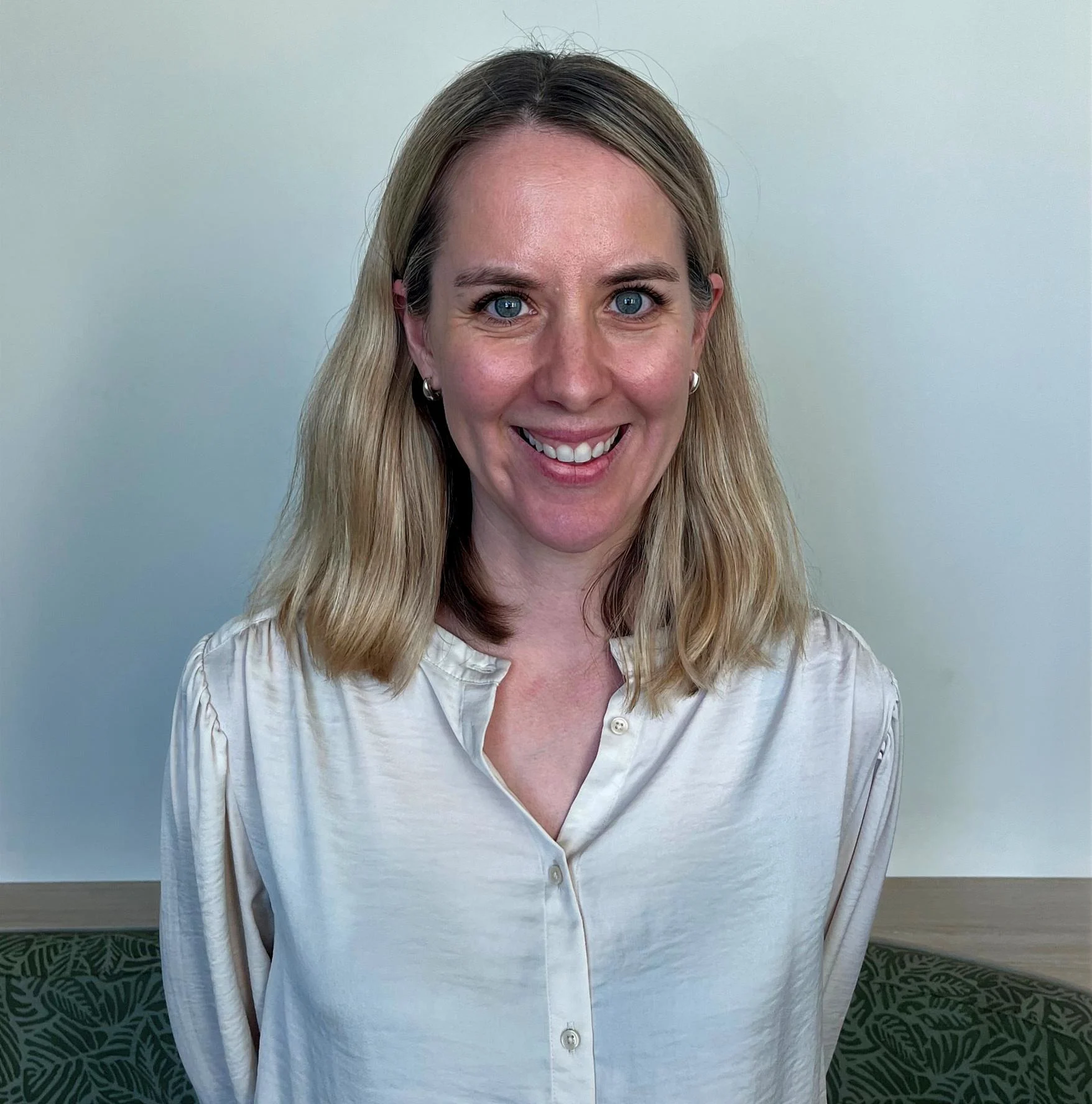
Lucy Donovan is a Senior Speech Pathologist at CliniKids
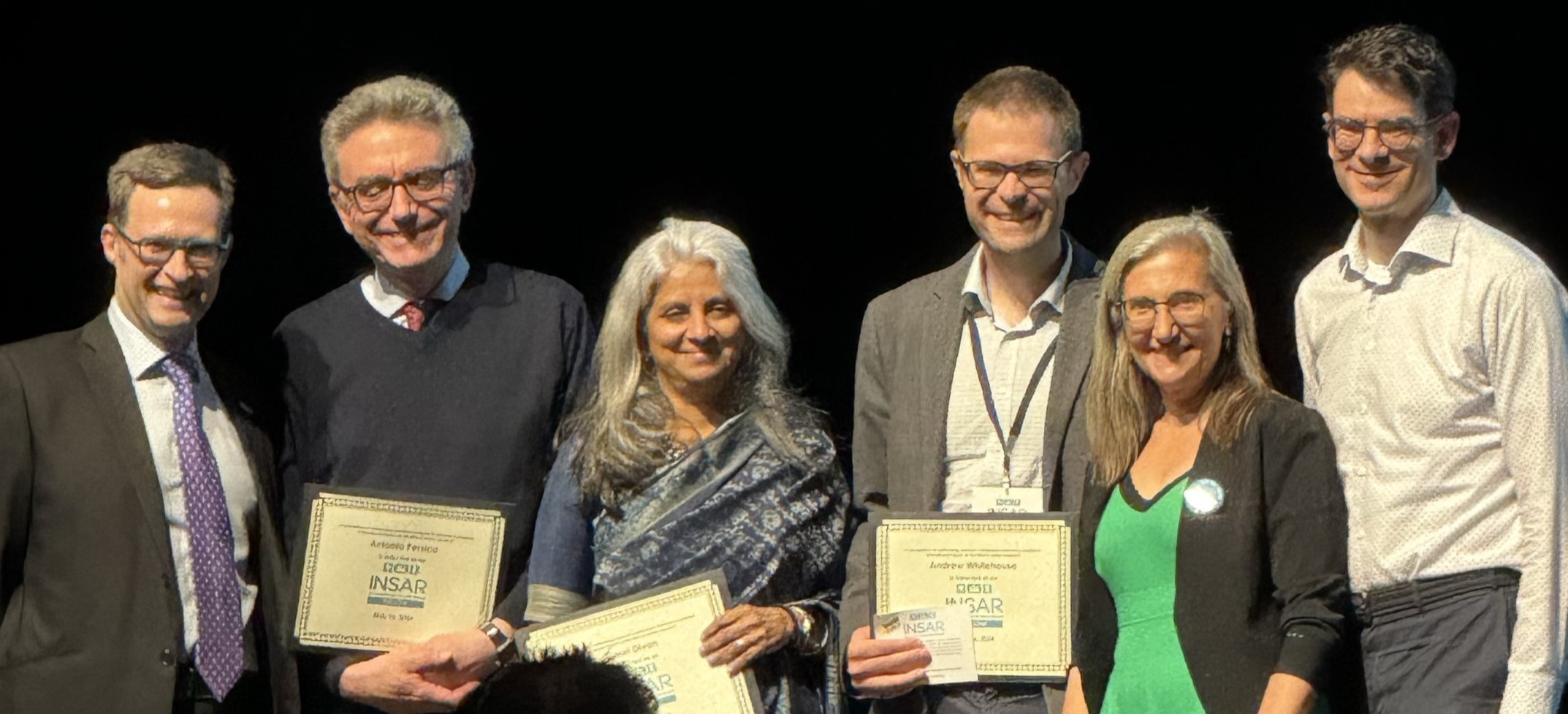
Professor Andrew Whitehouse was recently inducted as a Fellow to the International Society for Autism Research, making him just the fourth Australian to be bestowed the honour.
Autism early intervention research has indicated a research-to-practice gap, including continued use of practices with inadequate research support, and insufficient use of empirically supported practices. The present study explored the processes and mechanisms through which providers working with young children on the autism spectrum learn, select, and implement the various practices in their clinical repertoires.