
Search
Showing results for "clinical trials"
Adult pertussis vaccination is increasingly recommended to control pertussis in the community. However, there is little data on the duration and kinetics of immunity to pertussis boosters in adults. We compared IgG responses to vaccination with a tetanus, low-dose diphtheria, low-dose acellular pertussis (Tdap) booster at 1 week, 1 month and 1 year post-vaccination in whole-cell (wP)-primed Australian paediatric healthcare workers who had received an adult Tdap booster 5-12 years previously, to those who received their first Tdap booster.
This study will assess the impact of MenB vaccine (4CMenB) on carriage prevalence in school leavers in South Australia
Systems biology and innovative data integration can provide fresh insights into the molecular ontogeny of the first week of life
A more robust immune response after booster compared to a first dose in vaccine-naïve individuals, showed effective priming in an adolescent/young adult population
The SA MenB vaccine carriage study aims to assess the impact of 4CMenB on carriage of N. meningitidis in adolescents
To describe trends in the age-specific incidence of serogroup B invasive meningococcal disease (IMD) in Australia, 1999-2015
In this study, invasive meningococcal disease isolates from the western seaboard of Australia, WA, were compared to those of VIC from 2008 to 2012.
We assessed the safety of receiving an influenza vaccination during any trimester of pregnancy with respect to preterm births and infant birthweight.
This trial evaluated the lot consistency, early immune responses and safety of the vaccine against serogroup B Neisseria meningitidis (4CMenB) - in 11 to 17...
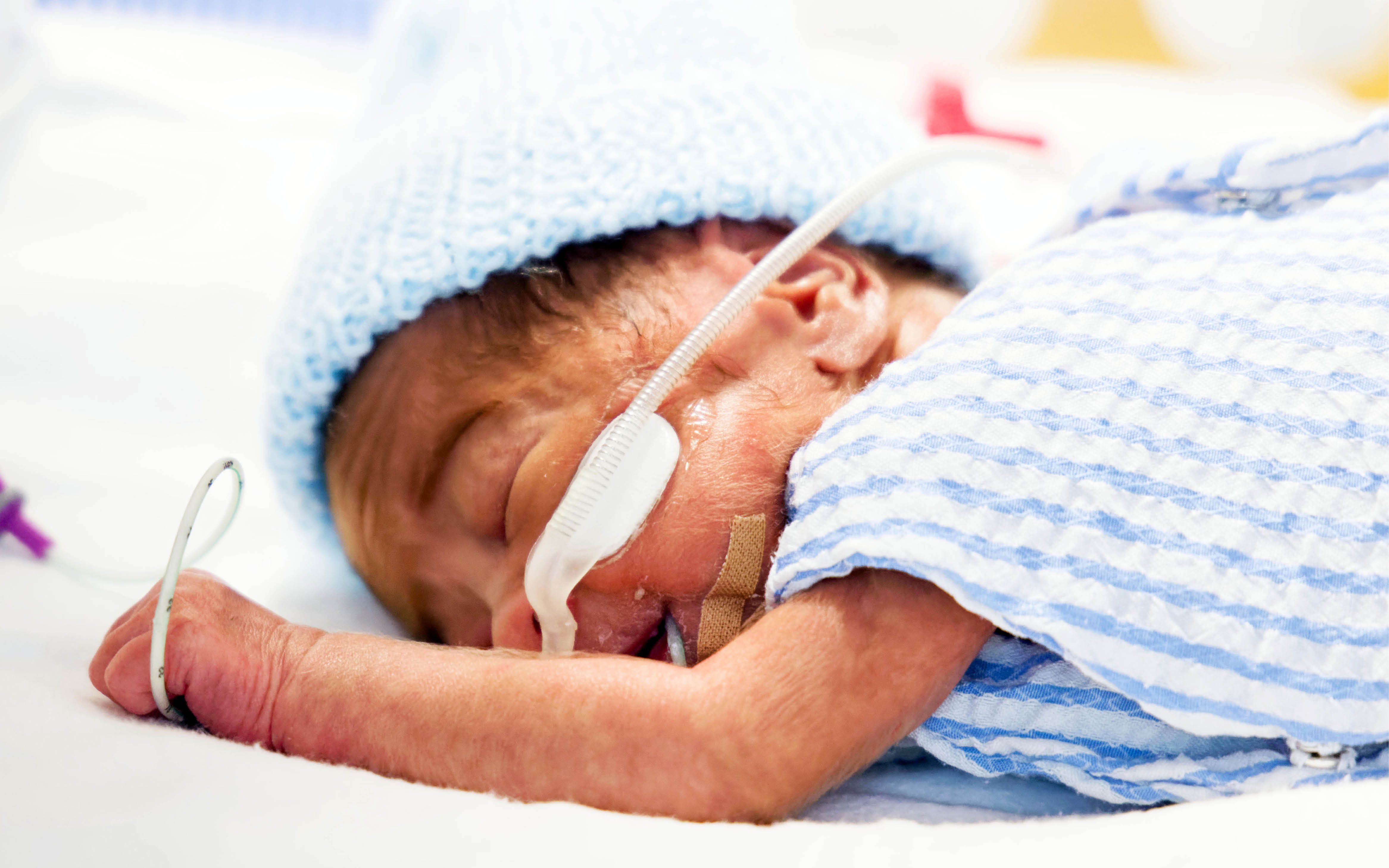
Preterm babies have a heightened risk of infection as their immune system is not mature. The Neonatal Health Team is exploring new ways to diagnose, prevent and treat infections in WA's smallest patients .