
Search
Showing results for "mental health aboriginal"
To investigate associations between interpregnancy intervals (IPIs) and adverse birth outcomes in twin pregnancies.
Studies have reported a dose-dependent relationship between gestational age and poorer school readiness. The study objective was to quantify the risk of developmental vulnerability for children at school entry, associated with gestational age at birth and to understand the impact of sociodemographic and other modifiable risk factors on these relationships. Linkage of population-level birth registration, hospital, and perinatal datasets to the Australian Early Development Census (AEDC), enabled follow-up of a cohort of 64,810 singleton children, from birth to school entry in either 2009, 2012, or 2015.
Explored Youth with Neuromuscular Disorders perceptions of health, health behaviors and healthcare engagement
Autism genetics has historically attracted a substantial proportion of autism research funding internationally. However, more recently, several controversies centered on ethical conduct and lack of community consultation have emerged. This has triggered Autistic-led protests for the functional and meaningful inclusion of Autistic voices in the research design.
We aimed to identify the rate and predictors of transition to mania in a cohort of youth with clinical or familial risk for psychosis.
Few clinical respiratory laboratories have assessed the impact of changing reference equations on the interpretation of spirometric outcomes.
The objective of this study was to describe the occurrence of skin infection associated hospitalizations in children born in Western Australia (WA).
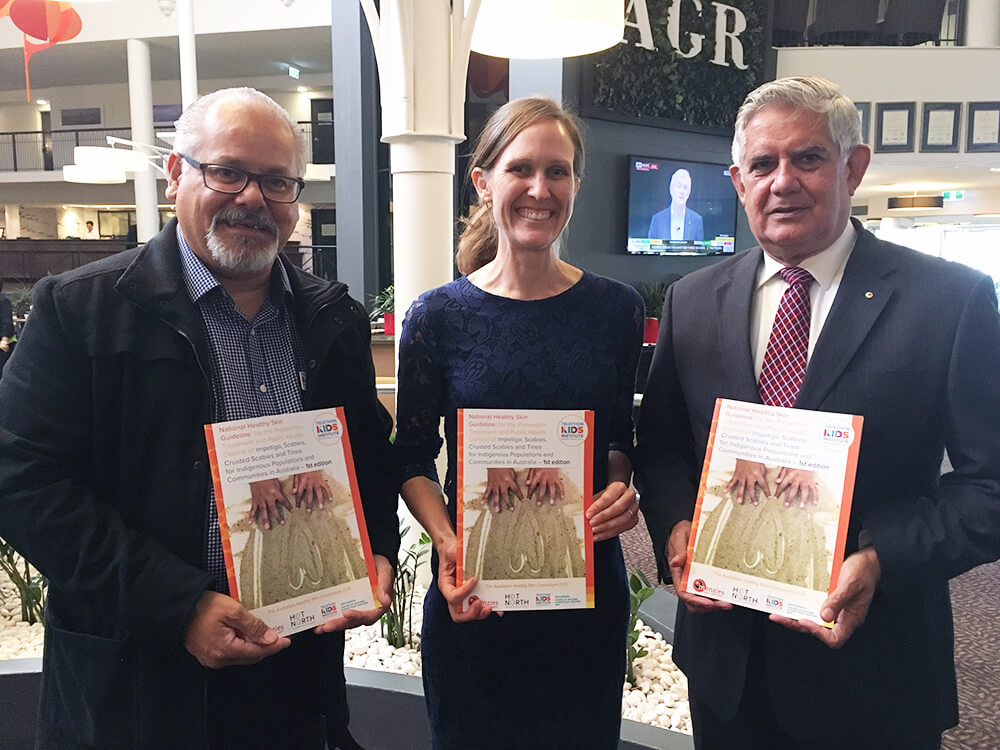
Researchers have developed the first National Healthy Skin Guideline to address record rates of skin infections in Australia’s Indigenous communities.
While parenting self-efficacy and broader autism phenotype (BAP) have been linked to caregiver depression, anxiety and stress at specific points in time, their influence on longer-term mental health trajectories remains unknown, especially for caregivers who participate in support programs for their infants with very-early autistic features.
Repetitive Negative Thinking (RNT) during pregnancy is a key risk factor for psychopathology in the perinatal period. However, the cognitive mechanisms underlying prenatal RNT remain poorly understood. Recent research has suggested that a tendency to volitionally seek negative rather than positive information (i.e., biased information seeking) may contribute to the formation of more negative prenatal expectations, which in turn predict elevated prenatal RNT.